

Ha'ena State Park
Haʻena State Park on Kauai's North Shore offers a protected beach lagoon, coastal rainforest trails, and access to the iconic Kalalau Trail with stunning Nā Pali Coast views. Visitors can snorkel, hike to Hanakāpī‘ai Beach and Falls, and enjoy lifeguarded swimming and sunset vistas.
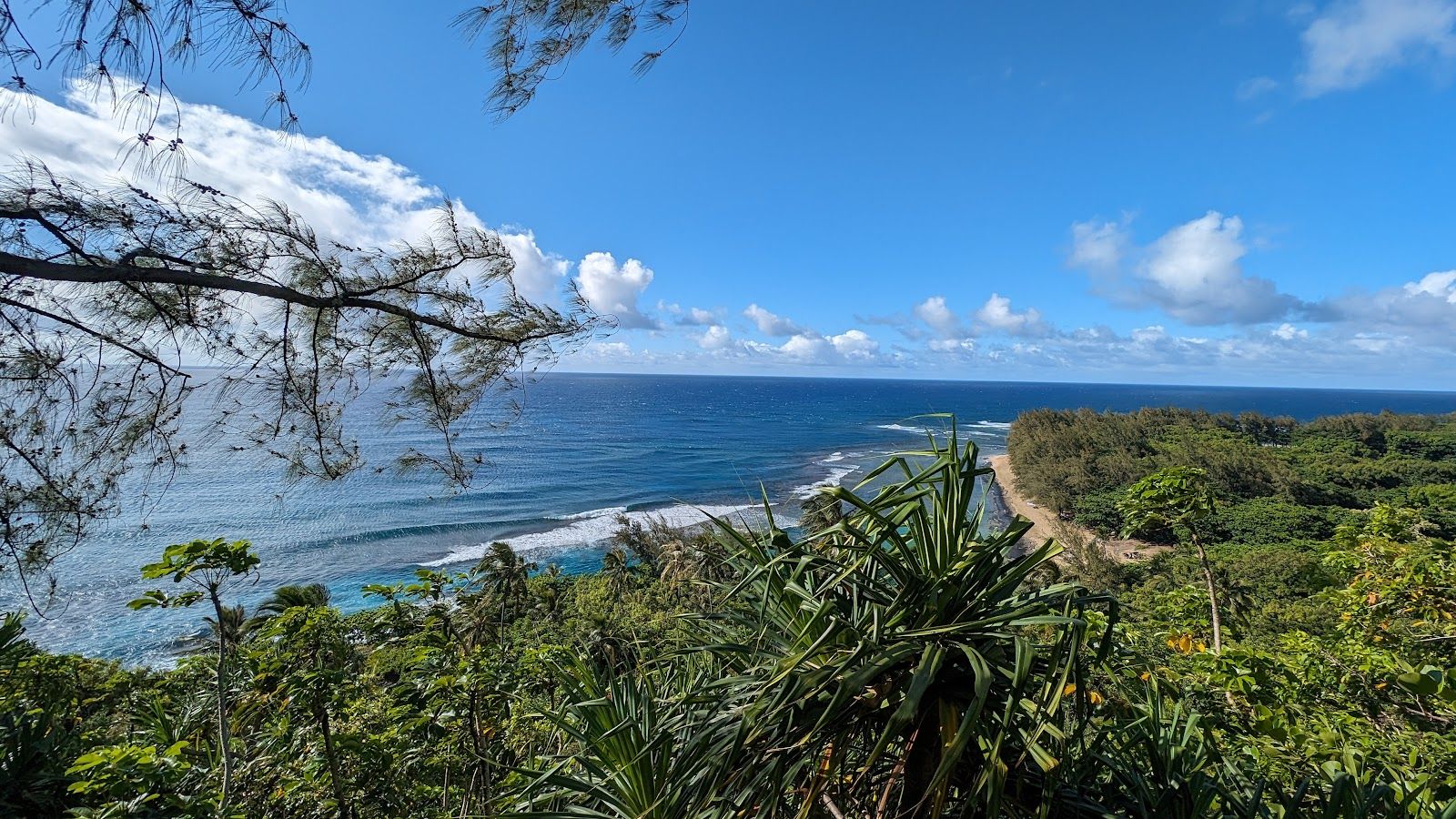
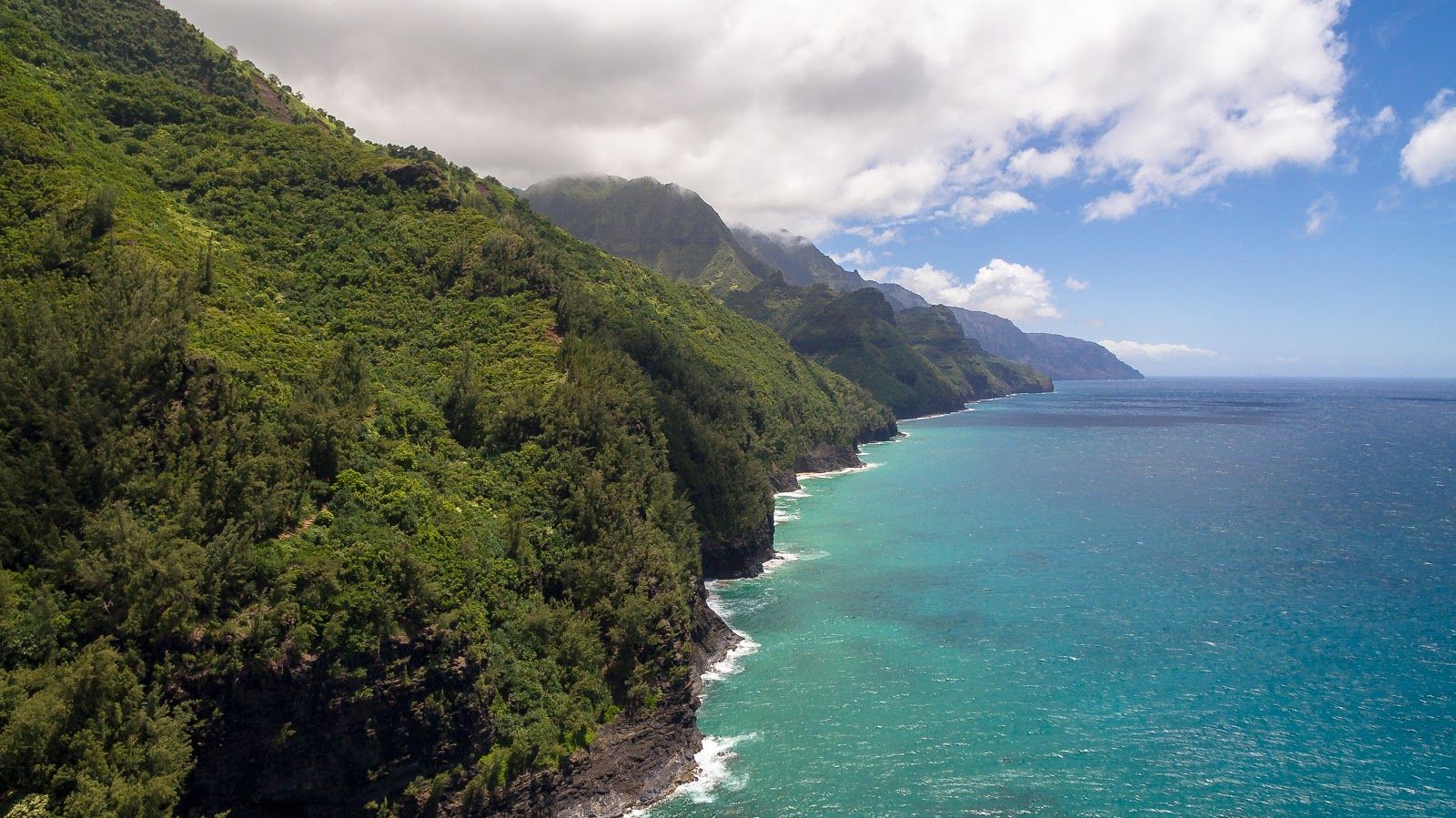
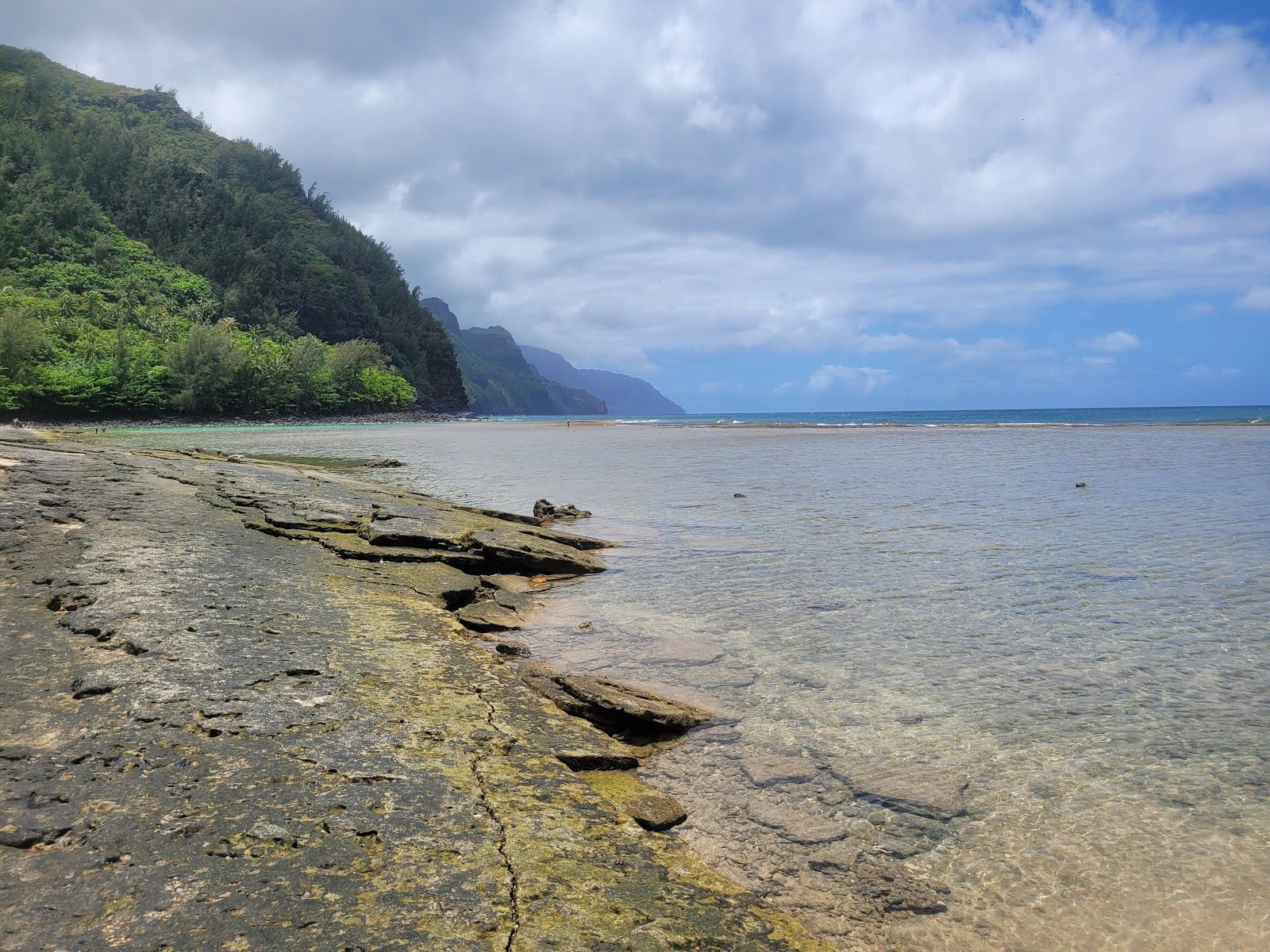
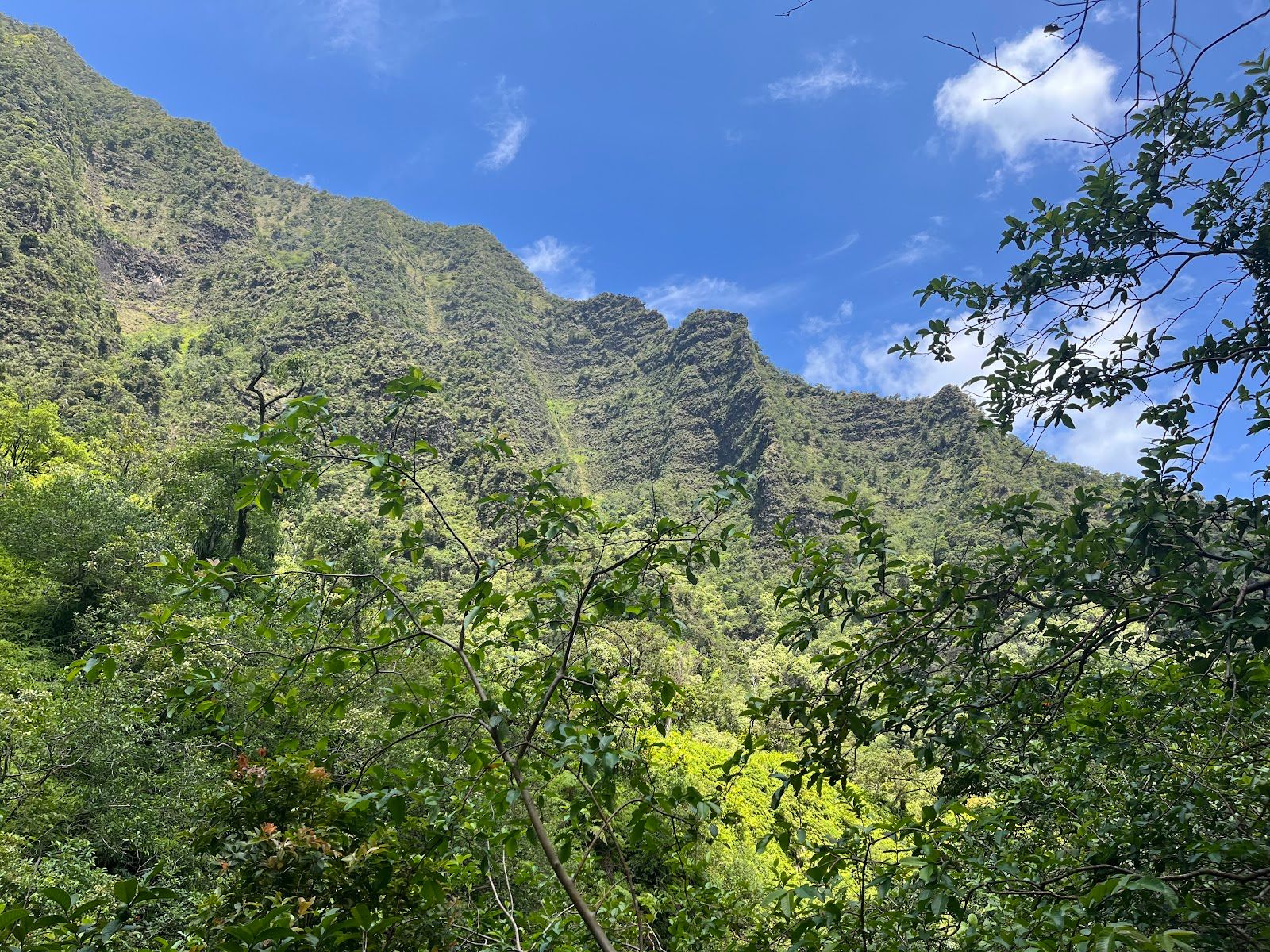
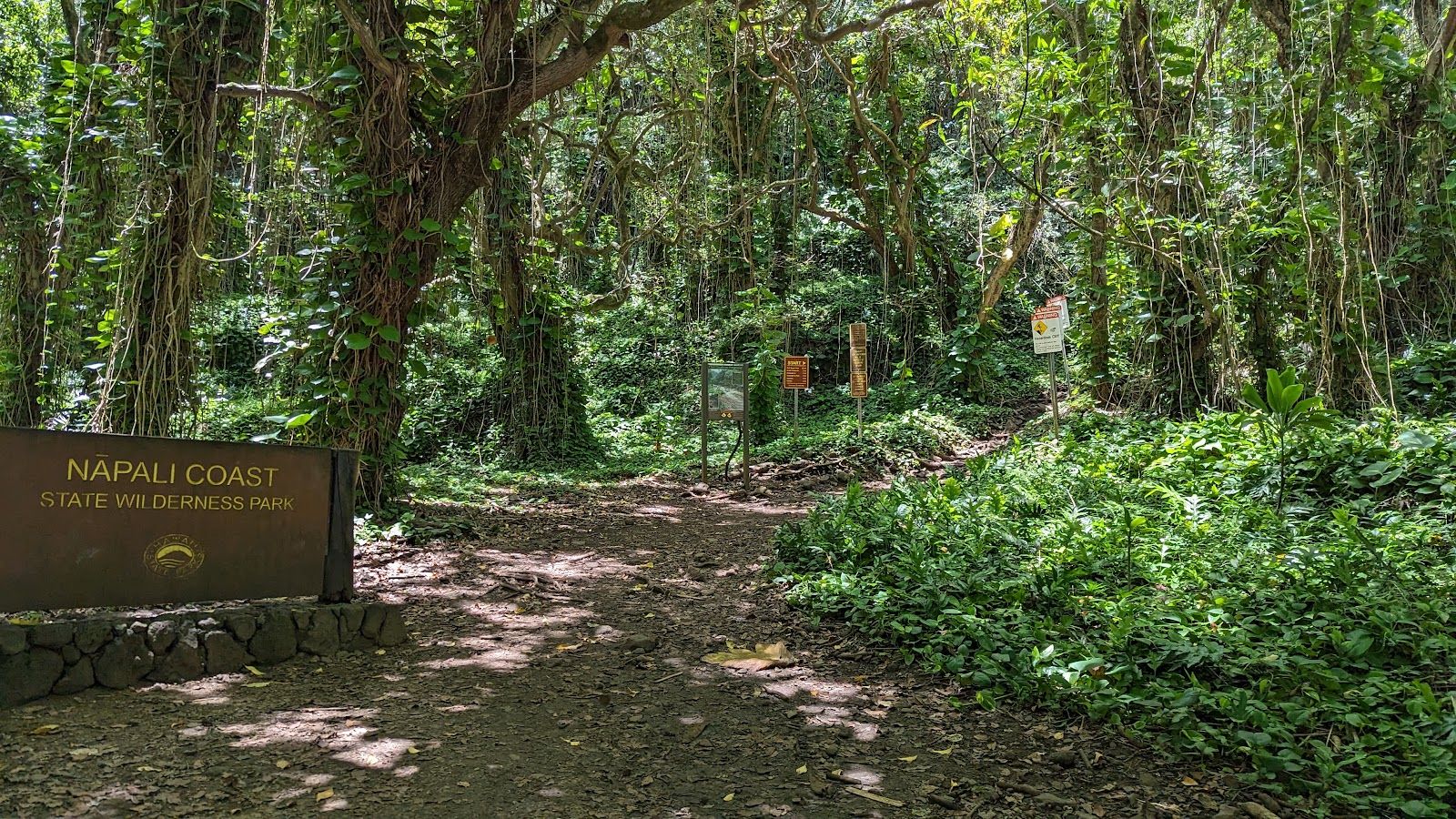
- Protected beach lagoon with lifeguards
- Access to first two miles of Kalalau Trail
- Snorkeling in calm summer waters
- Hiking to Hanakāpī‘ai Beach and Falls
Hāʻena State Park is one of Kauaʻi’s most important North Shore outings: a reservation-based state park at the end of Kūhiō Highway that combines a classic beach stop, the start of the Kalalau Trail, and some of the island’s strongest Nāpali Coast scenery. It stands out because it is both beautiful and tightly managed. That mix makes it a memorable day for travelers who plan ahead, but a frustrating one for anyone hoping to improvise.
Kēʻē Beach and the Nāpali Coast backdrop
The park’s signature beach is Kēʻē, a reef-protected cove with a very different feel from the wider, surfier North Shore beaches farther east. In summer, the lagoon can be calm enough for swimming and snorkeling, with lifeguards on duty and a cliff-lined horizon that makes the setting feel especially dramatic. The appeal is not just the water itself; it is the setting at the literal edge of the road, where the landscape starts to turn rugged and the Nāpali Coast begins to take over.
Conditions matter here. Winter surf can make the ocean unsafe, and even the most inviting-looking water deserves respect. Travelers who want a beach day more than an active outing will find this a strong choice only when conditions are favorable. For a simple half-day, Kēʻē alone can justify the trip. For a fuller day, the trailhead turns the park into a much bigger experience.
The Kalalau Trail day hike
Hāʻena State Park is also the gateway to the first two miles of the Kalalau Trail, one of Kauaʻi’s most famous hikes. The day-hike option leads to Hanakāpīʻai Beach, with the farther inland route to Hanakāpīʻai Falls creating a much longer, more demanding outing. This is not a casual stroll; the terrain is often muddy and slippery, and stream crossings can become a real issue after rain. Sturdy footwear is essential, and a full day should be set aside if the goal is to reach the falls.
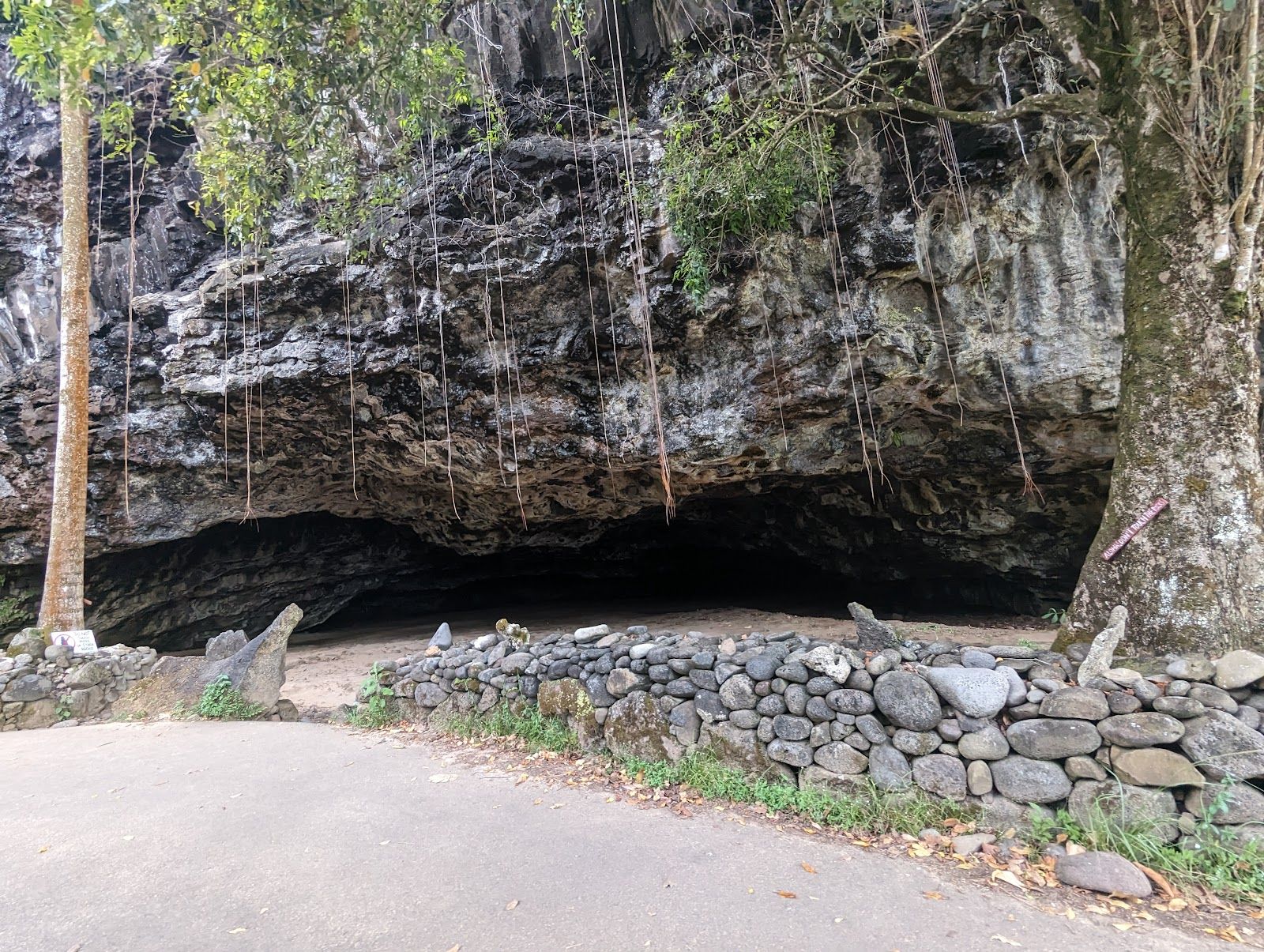
The trail is also where the park’s cultural character becomes especially visible. Hāʻena is not just scenic land; it holds archaeological and cultural sites tied to deep Hawaiian history, including loʻi and heiau. Staying on marked routes matters here both for safety and for cultural respect. Travelers looking for a hike with a strong sense of place will find that combination unusually compelling.
Reservations, access, and the real tradeoff
This is one of the most access-managed destinations on Kauaʻi, and that is the biggest tradeoff. Advance reservations are required for most visitors, there is no reliable last-minute fallback once on the island, and cell service at the park is not something to count on. Parking is limited, so the shuttle is often the smoother option for travelers who want a less stressful arrival.
The reservation system has a purpose: it keeps visitor numbers in check and helps protect a place that had serious environmental and community strain in the past. It also means spontaneity is a poor fit here. Travelers who do best are the ones planning a North Shore day around a booked entry, a hike, or a beach window with enough flexibility for weather and surf conditions.
Hāʻena State Park is a strong choice for hikers, snorkelers in season, photographers, and travelers who want a North Shore day with real substance behind the scenery. It is less suitable for anyone who prefers easy access, loose scheduling, or a beach stop that does not require advance planning.