

Hanalei National Wildlife Refuge
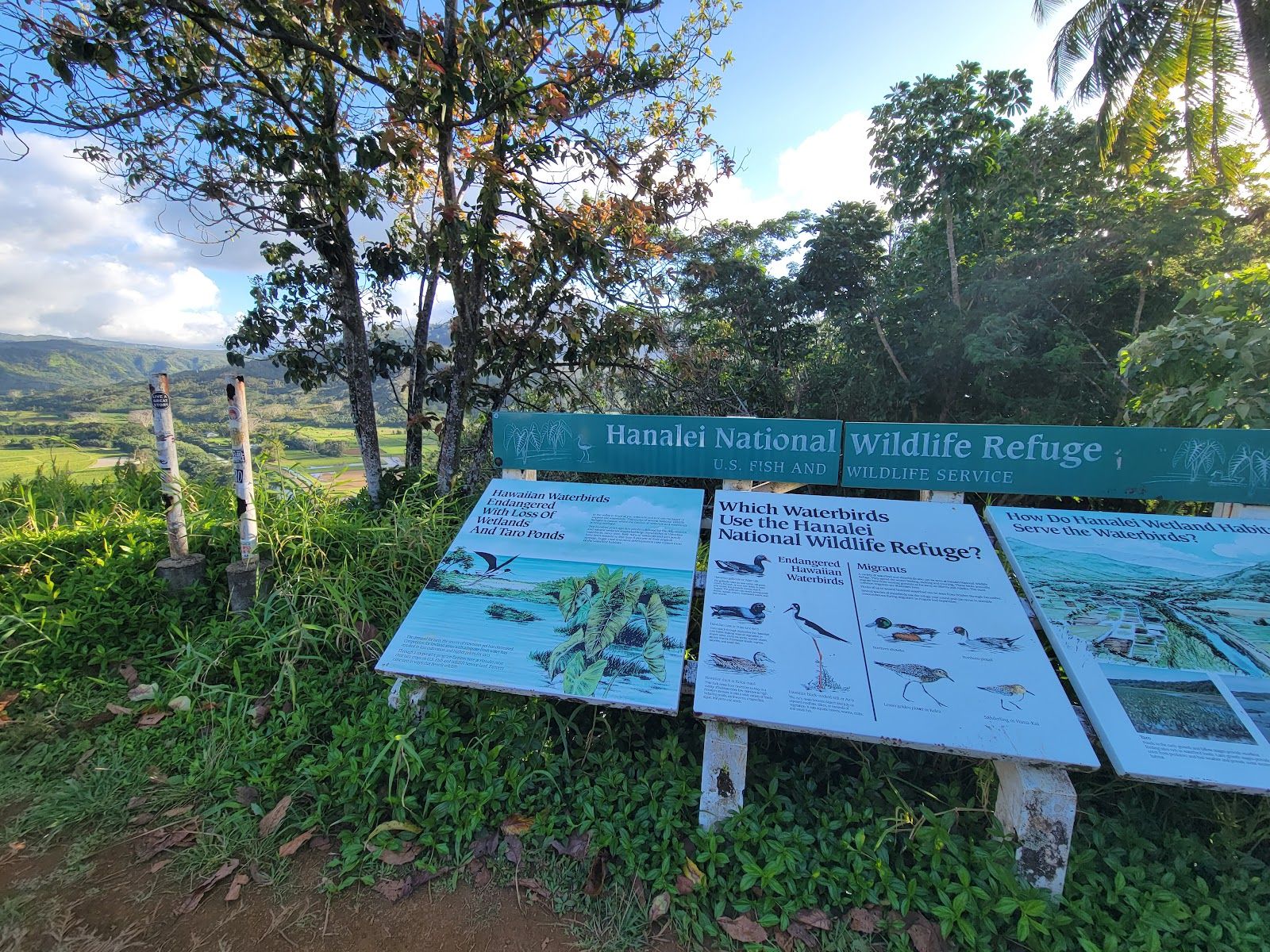
Hanalei National Wildlife Refuge offers a free, easy-access scenic viewpoint overlooking the lush Hanalei Valley with opportunities to spot endangered native waterbirds. The site features paved parking, viewing platforms, and interpretive signage, making it ideal for photographers and families.
- Free entry and parking
- Scenic panoramic views of Hanalei Valley and taro fields
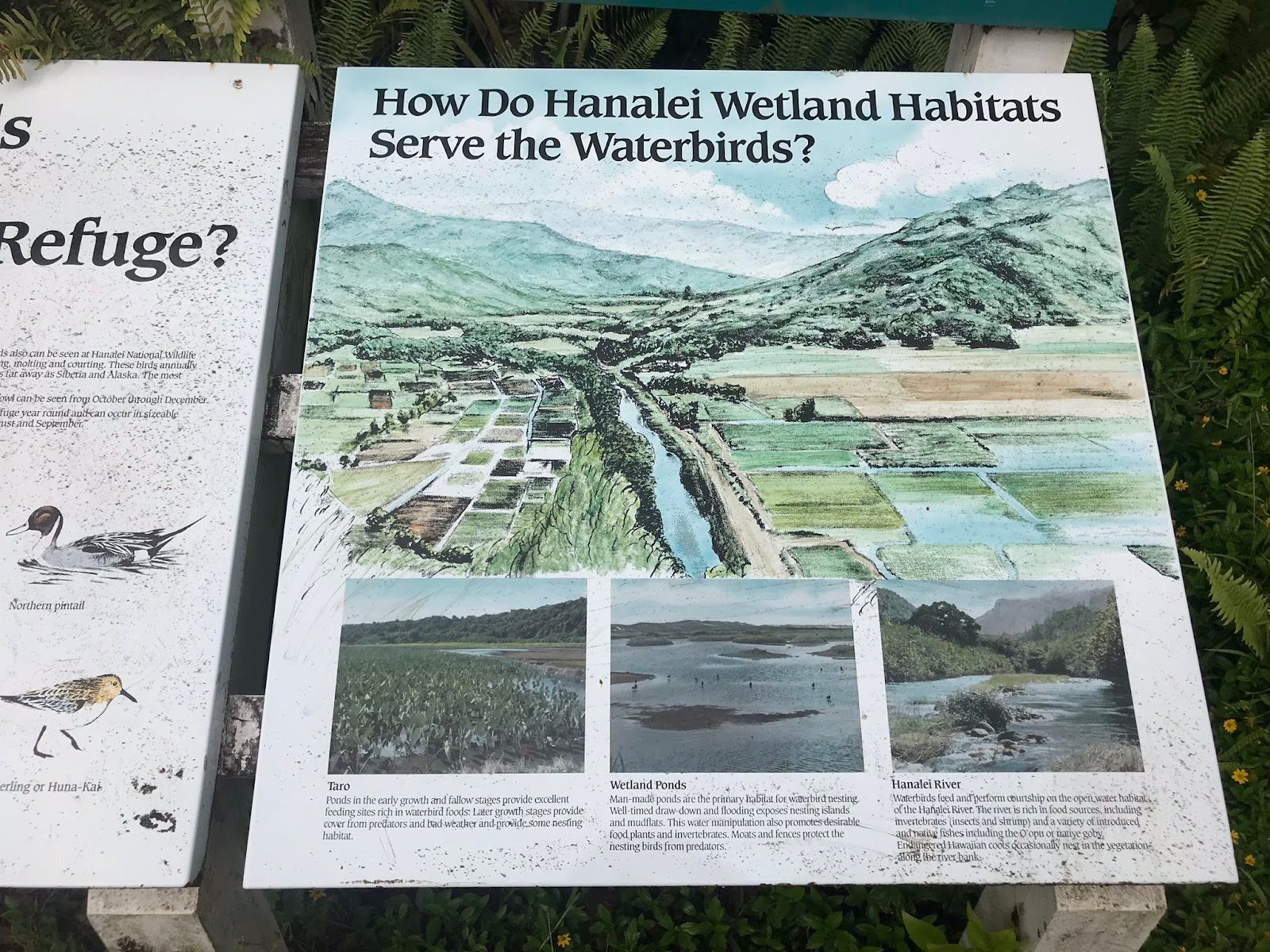
- Endangered native waterbird sightings (nēnē, ʻalae keʻokeʻo, koloa maoli)
- Wheelchair-friendly viewing platforms
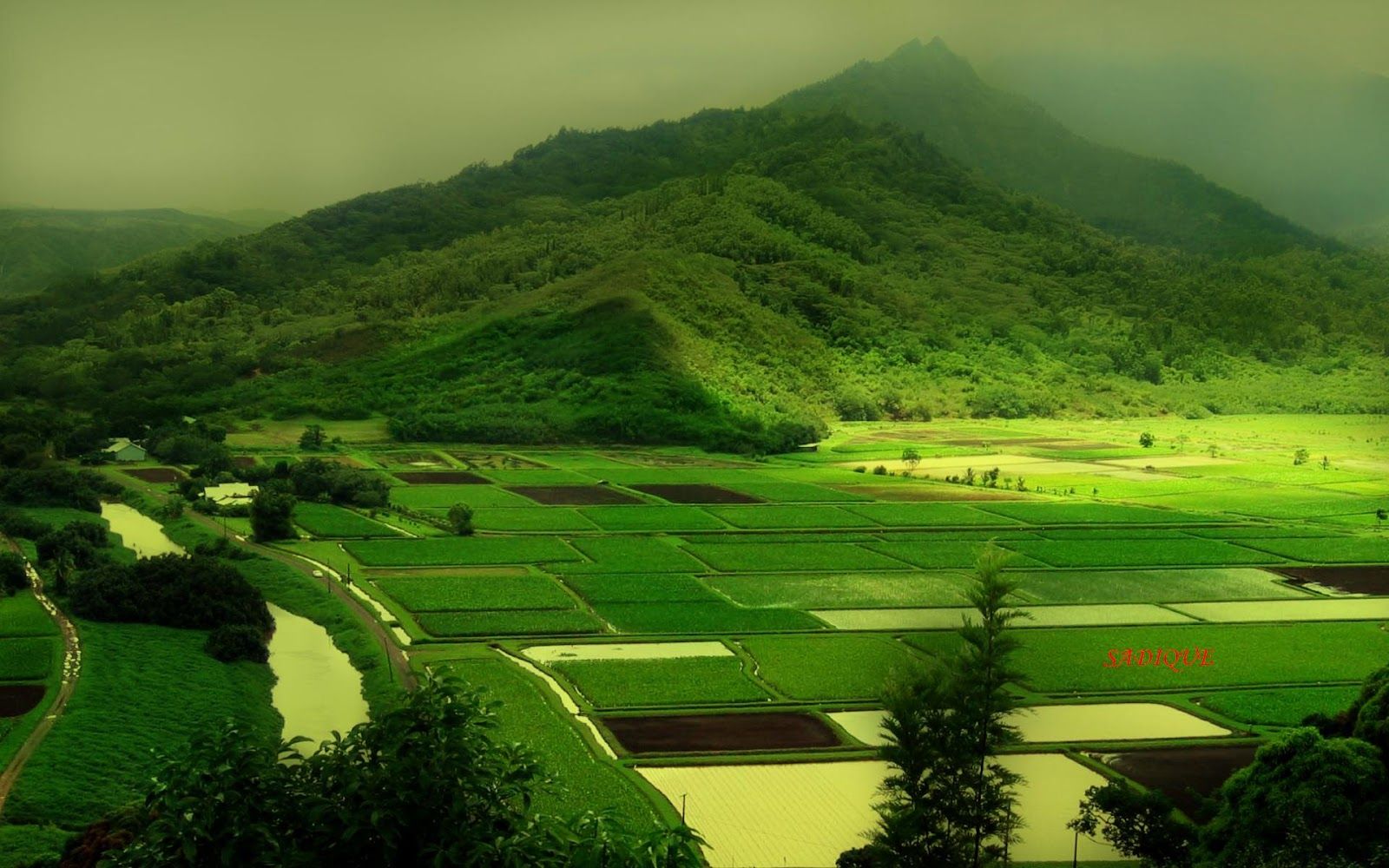
Hanalei National Wildlife Refuge is one of the North Shore’s most rewarding low-effort scenic stops: a protected wetland and taro valley framed by steep green mountains, with a dedicated public viewpoint in Princeville offering the best legal look into the landscape. It fits naturally into a Hanalei or Princeville day because it delivers a classic Kauaʻi panorama without a hike, while also adding real conservation and cultural context to a view that would otherwise read as “just” beautiful scenery.
The Hanalei Valley view, not a walk-through refuge
This is not a place to roam. The refuge’s wetlands and taro fields are closed to public entry, and that restriction is central to what makes the site work: the habitat stays protected, and visitors still get a clear window into one of Kauaʻi’s most distinctive working landscapes. The public experience is concentrated at the Hanalei National Wildlife Refuge Viewpoint on Kūhiō Highway in Princeville, where two platforms and interpretive panels frame the valley below.
The payoff is a wide, layered view: taro patches in the foreground, the valley stretching out beneath the mountains, and a landscape that often looks almost impossibly lush after rain. It is a strong stop for photography, but it is equally useful for travelers who want a quick, meaningful pause between beach time, lunch in Hanalei, and a North Shore drive. Birdwatching is part of the appeal, though the birds are distant enough that binoculars or a telephoto lens make a big difference.
How to use it in a North Shore day
This is best treated as a 15- to 30-minute scenic stop, not a destination that anchors an entire morning. It fits neatly into a loop that includes Hanalei town, the North Shore beaches, and the Princeville area. Because the viewpoint is easy to access and free, it works well as a spontaneous stop when clouds lift or the light changes over the valley.
If the goal is a fuller half-day outdoors experience, the nearby ʻŌkolehao Trail offers a very different angle on the refuge. That route climbs above the valley for elevated views toward Hanalei Bay, but it is a strenuous, muddy hike with significant elevation gain and should be approached as a serious outing rather than a casual add-on. For most travelers, the viewpoint is the simpler and more reliable choice.
Practical realities that matter
The biggest tradeoff here is distance. The refuge is about appreciation, not immersion: you see the valley from a designated overlook rather than entering the habitat itself. That makes it a poor fit for anyone hoping for close wildlife encounters or a wetland walk. Serious birders should plan on optics, and anyone expecting a hands-on park experience will likely leave wanting more.
Weather also matters. Hanalei Valley is famous for changing skies, and clouds or rain can flatten the view, especially later in the day. Mornings usually offer the clearest look. The viewpoint has been developed with visitor basics in mind, including parking and restrooms, but there is no food service or water on site, so it should be folded into a broader North Shore itinerary rather than treated as a standalone stop.
Best for travelers who want scenery with context
Hanalei National Wildlife Refuge suits travelers who like iconic views to come with a sense of place: conservation, taro farming, and a landscape still shaped by agriculture as much as by tourism. Families, photographers, and first-time visitors to Kauaʻi’s North Shore will all find it useful, especially if they want a memorable stop that does not require much time or physical effort.
It is less compelling for travelers seeking a long trail, close wildlife viewing, or a place to linger all day. For that, another part of Kauaʻi will likely fit better.