
Kapaia Swinging Bridge
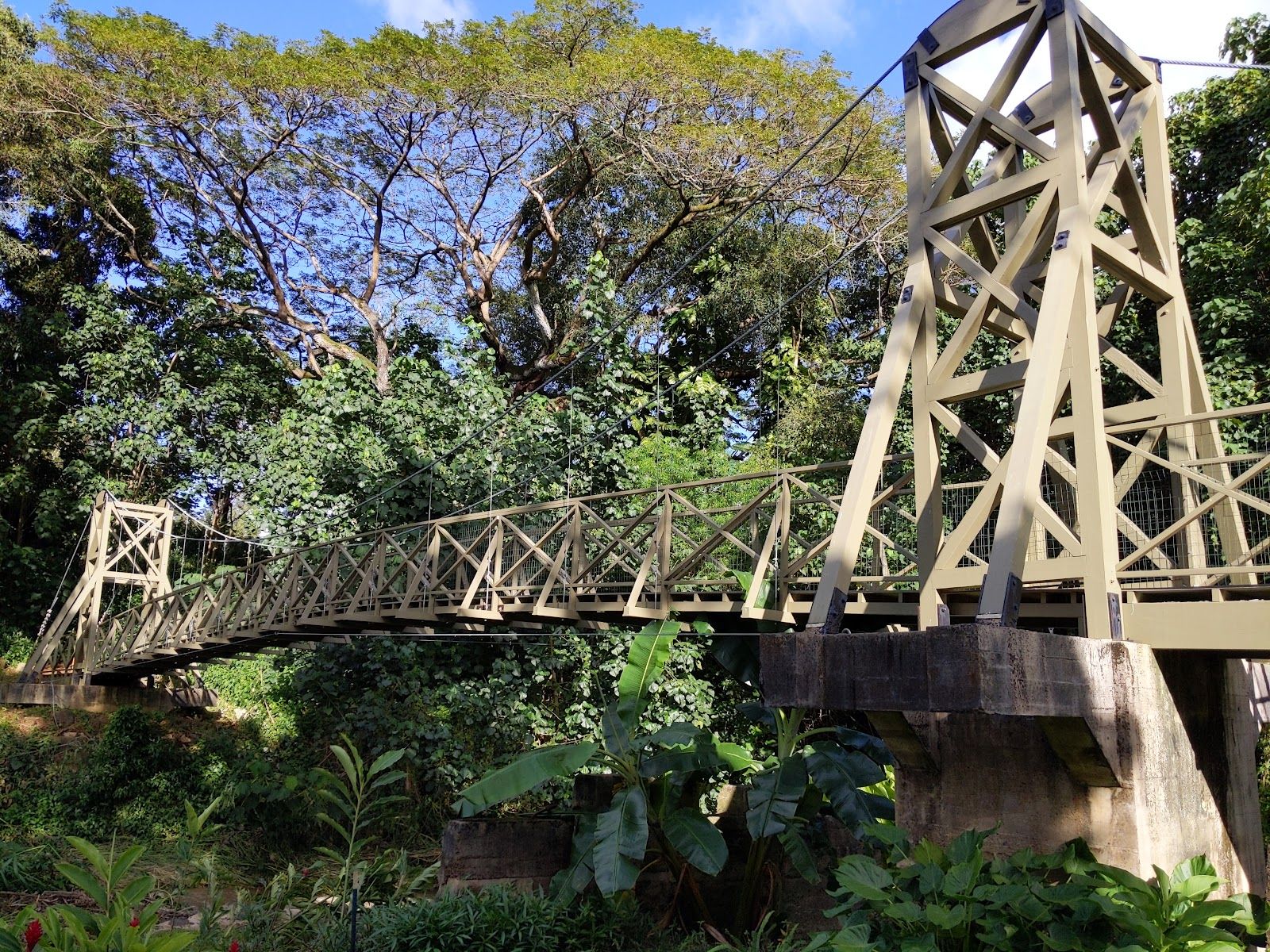
The Kapaia Swinging Bridge is a historic 125-ft pedestrian suspension bridge over Kapaia Stream, offering a gentle sway and interpretive panels about plantation-era life. It is a free, easy, and quick cultural stop near Līhuʻe, ideal for history enthusiasts and families.
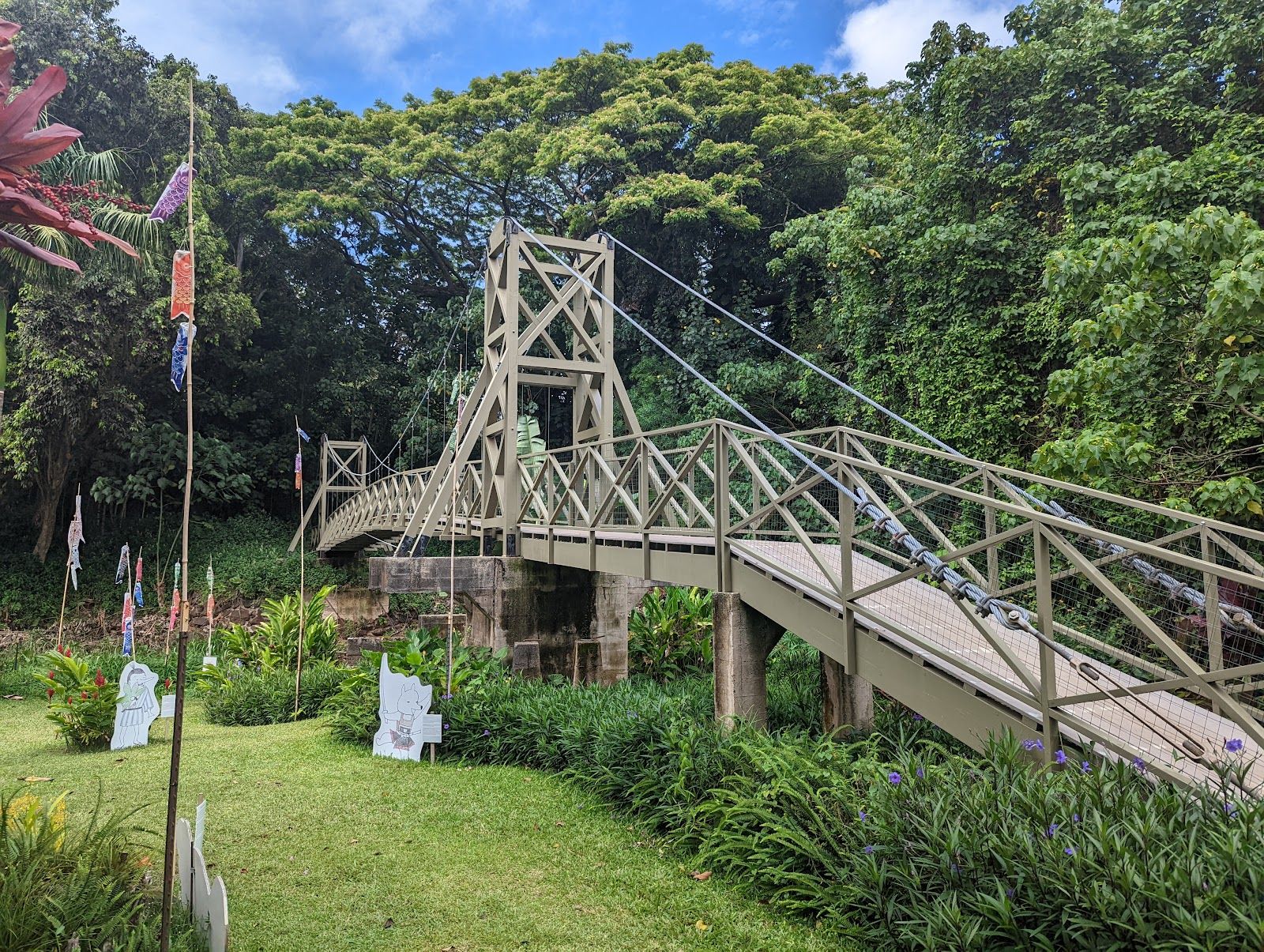
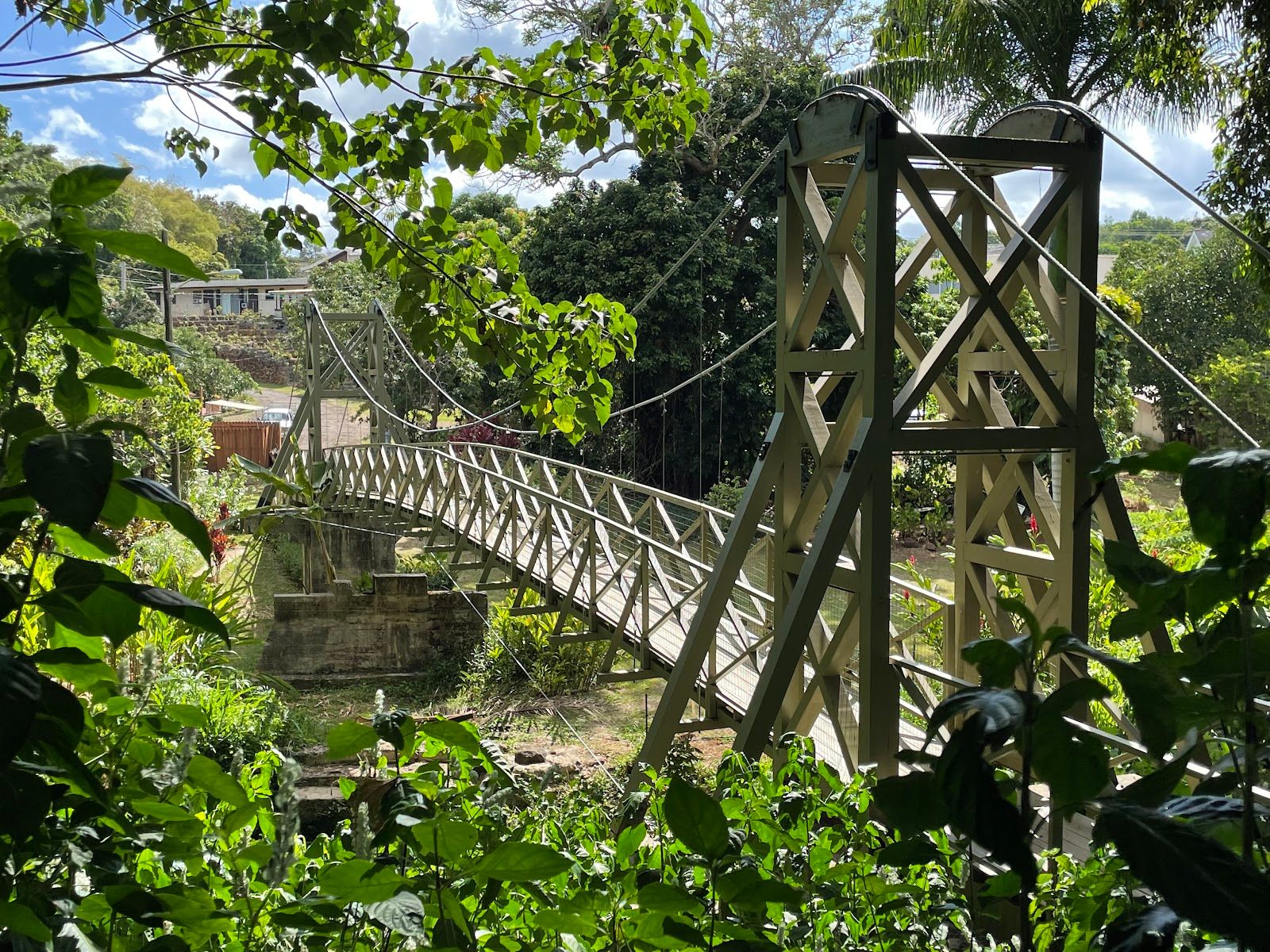
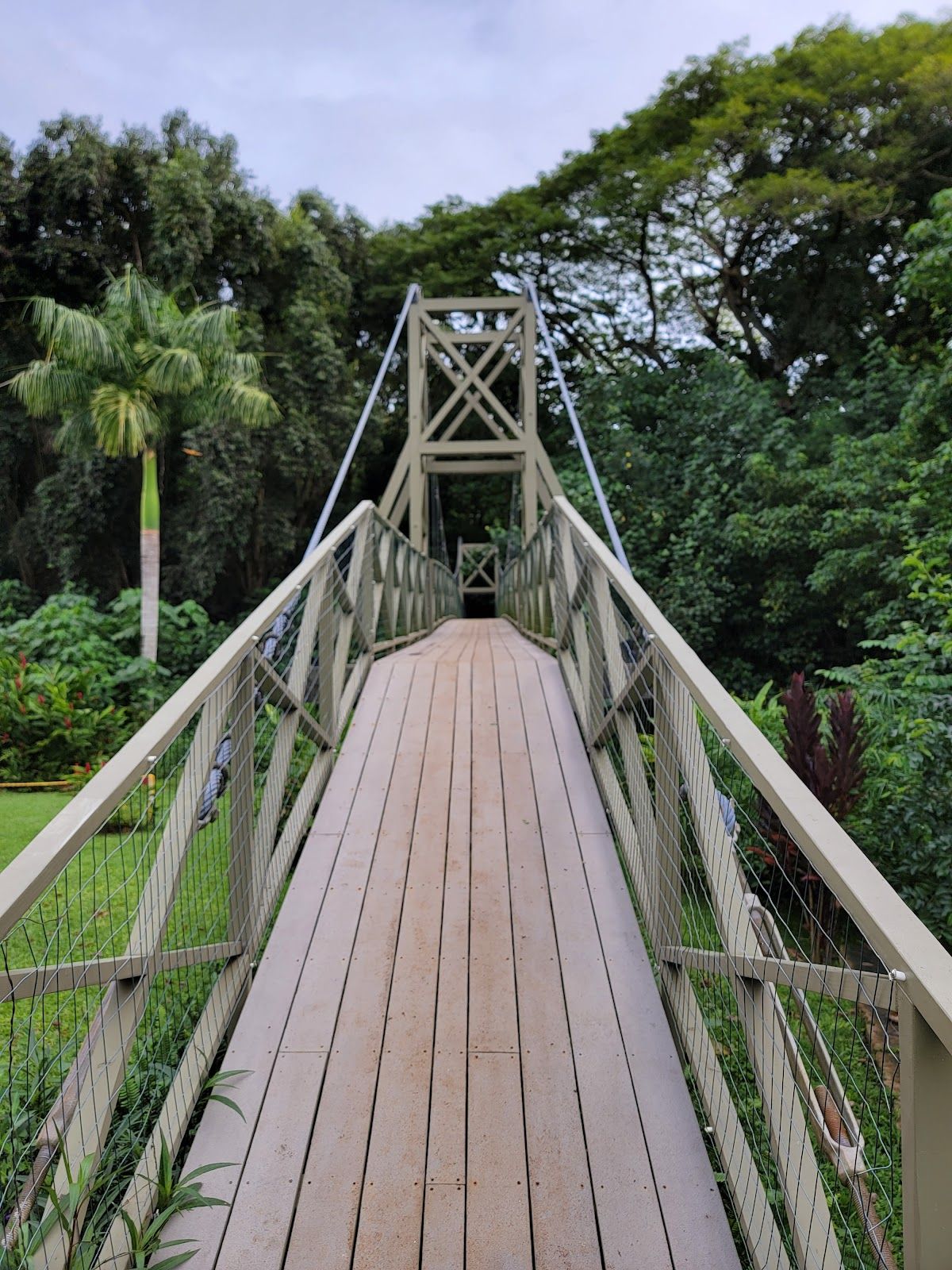
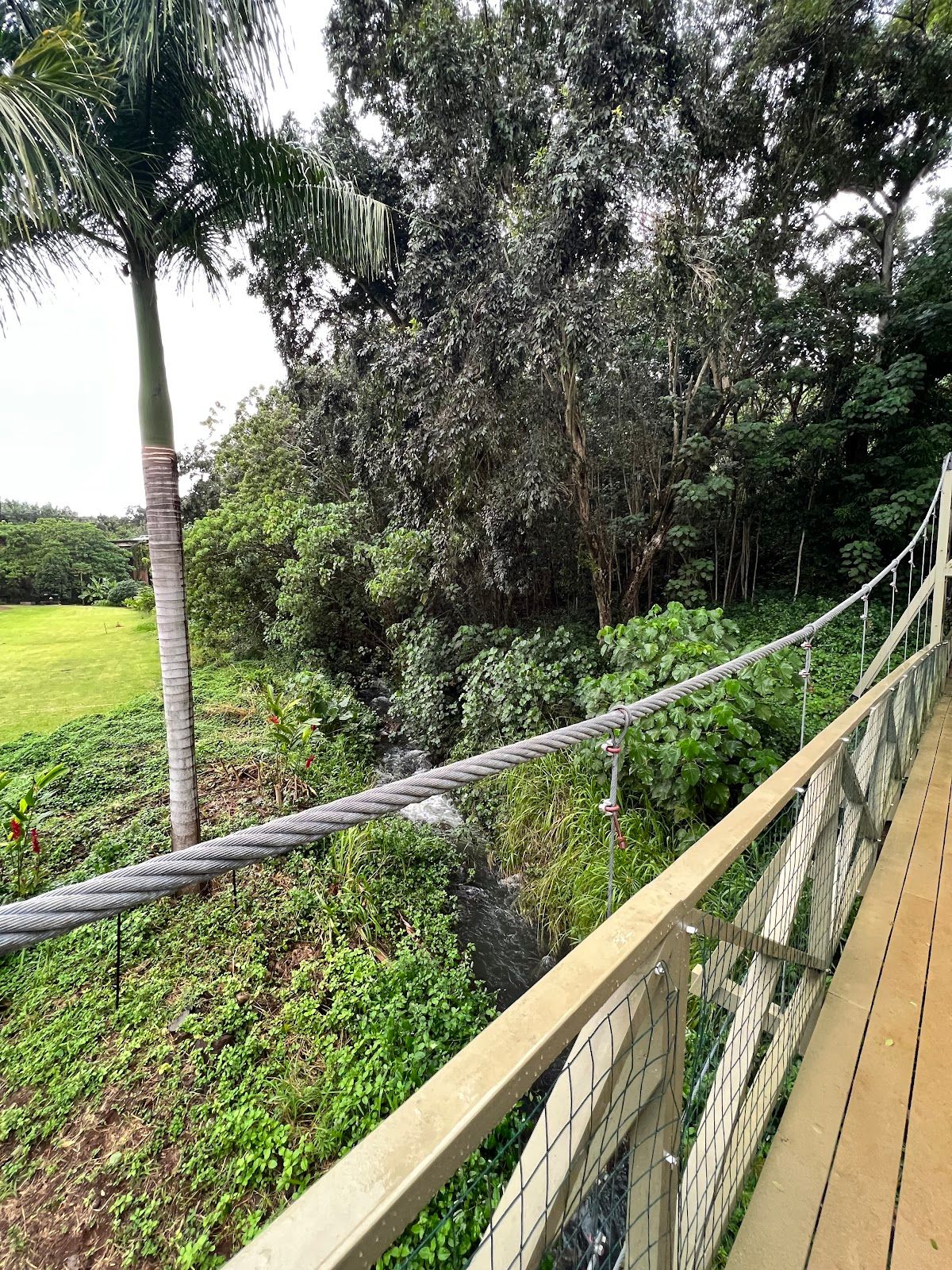
- Historic 125-ft pedestrian suspension bridge
- Interpretive panels on plantation-era life
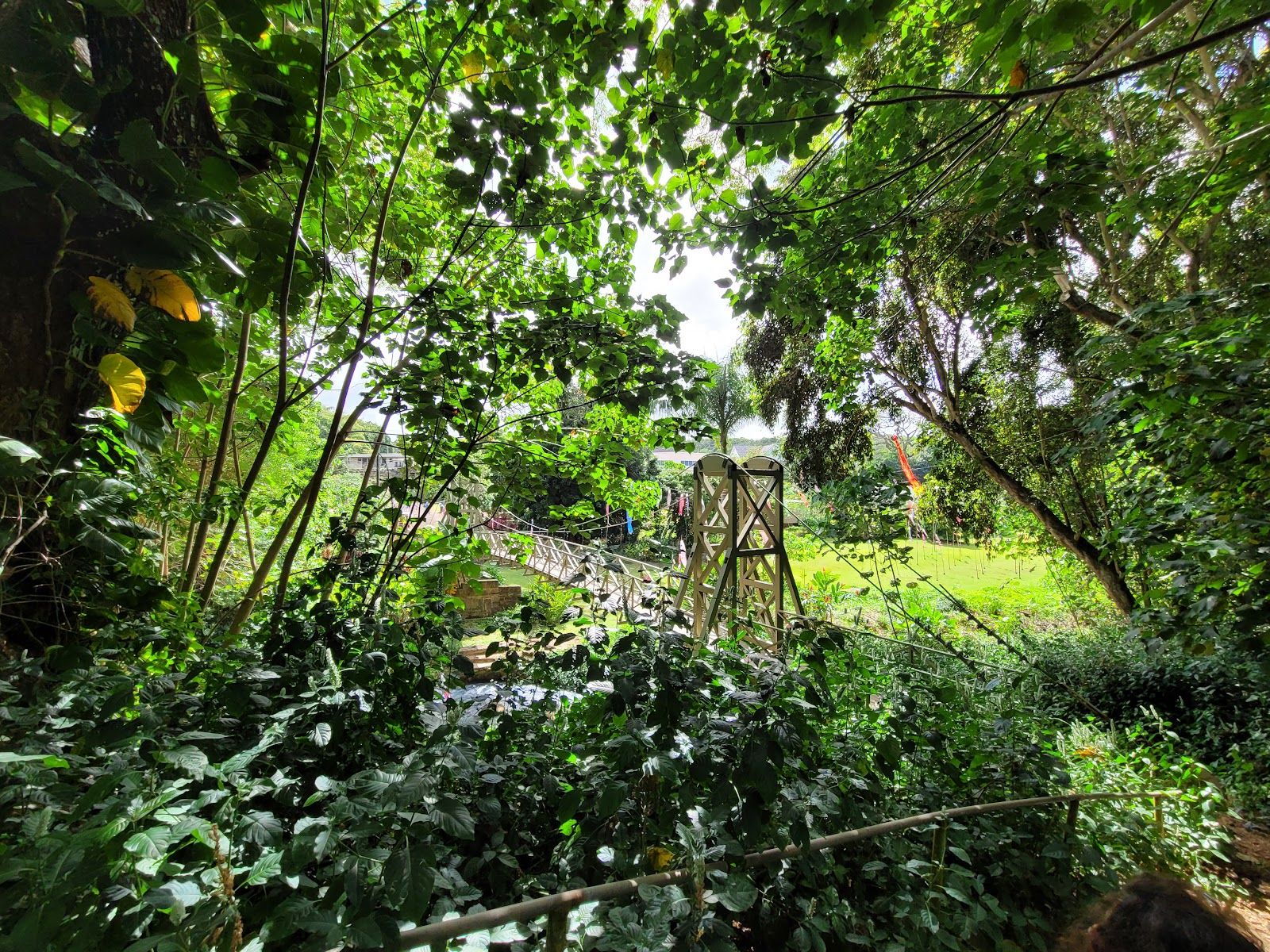
- Seasonal koi-shaped windsocks (koinobori) display
- Quiet, landscaped setting with butterflies and flowers
Kapaia Swinging Bridge is a small but memorable cultural stop in Līhuʻe, best understood as a quick encounter with Kauai’s plantation-era past rather than a full outing. The reconstructed pedestrian bridge spans Kapaia Stream in a quiet residential area, and its appeal is exactly that combination of history, scenery, and simplicity. It fits neatly into a day that already includes the east side or Līhuʻe errands, and it stands out because it offers a rare chance to cross one of Hawaiʻi’s few surviving historic swinging bridges.
A short walk into plantation-era Kauai
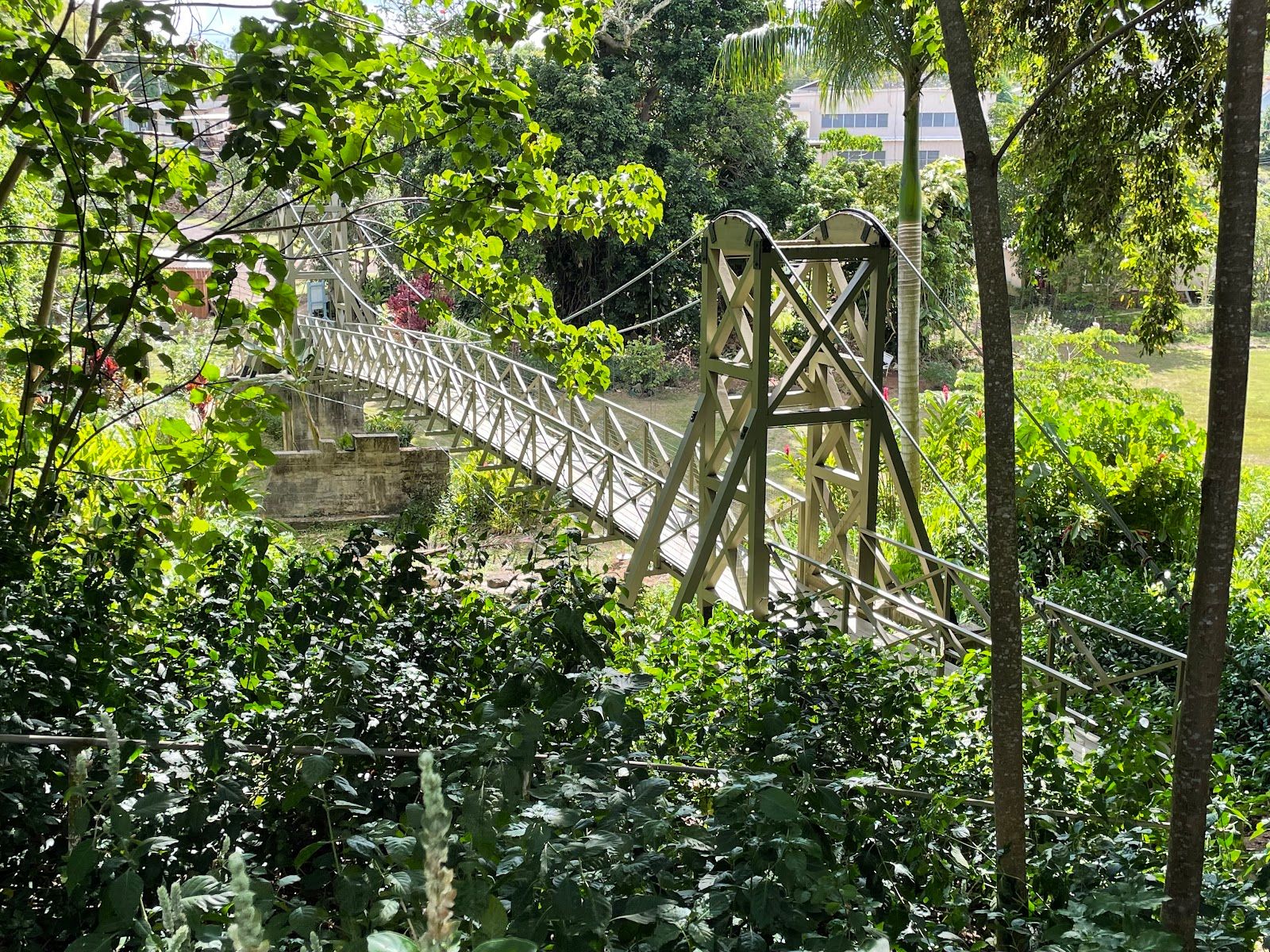
The experience is straightforward: park in a very small pull-out, follow a short flat approach path, and step onto a narrow bridge that sways lightly as you cross. The bridge’s wooden planks, the green valley below, and the interpretive panels create a compact but meaningful stop that gives context to the site’s original purpose. Built in 1948 to connect sugar plantation camps, it once served workers and families moving across the stream. Its reconstruction preserved that story while making the site accessible again as a public landmark.
The setting is quiet and unadorned in the best way. Flower plantings, shaded benches, and the open view over the stream give the place a calm, almost tucked-away feel. It is the kind of stop that rewards slowing down long enough to read the signs and appreciate the bridge as both infrastructure and memory.
The easiest kind of side stop on the east side
Kapaia Swinging Bridge works well as a short cultural detour when moving through Līhuʻe, especially if there is already a drive planned to or from the airport, downtown, or nearby east-side destinations. It does not require a reservation, and there is no formal ticketing or tour structure to work around. For travelers stitching together a day with beaches, shopping, or a longer scenic drive, it makes sense as a 15- to 30-minute pause.
That convenience is part of the draw, but it also sets expectations. This is not a major attraction with a long list of amenities or a half-day program. The site is open-air, daylight-only in practical terms, and there are no restrooms or drinking water on site. Parking is limited and residential, so it is important to keep the pull-out orderly and avoid blocking driveways.
Small bridge, real tradeoffs
The bridge is designed to move, and that sway is a defining part of the experience. Most visitors will find it gentle, but anyone uneasy with height, narrow walkways, or vertigo should take that into account. The wooden planks can also be slick after rain, so it makes sense to be careful in wet conditions. Because this is a community-maintained site, temporary closures can happen for maintenance or weather-related reasons, and the bridge may be closed after heavy rain or wind advisories.
Its modest scale is a strength for the right traveler and a drawback for the wrong one. Anyone looking for a substantial hike, a destination with services, or a place to linger for hours will likely want something else. But for travelers who appreciate heritage sites, local stewardship, and a low-effort stop with a sense of place, it offers an appealing blend of charm and context.
Best for travelers who like history in small doses
Kapaia Swinging Bridge is especially well suited to families, history-minded travelers, and anyone who enjoys a stop that feels rooted in local life rather than built for crowds. It is also a good fit for photographers who like compact scenes and travelers who prefer authentic, low-key places over packaged attractions. Seasonal decorations sometimes add extra color, and even without them the bridge has enough character to feel distinct.
Those who should probably skip it are travelers with very limited time, mobility concerns that make a narrow swaying bridge impractical, or anyone expecting a destination with dining, facilities, or a long activity list. For the right itinerary, though, it is a tidy, memorable piece of Kauai history that adds texture to a Līhuʻe day without demanding much time.