
Kauaʻi Museum
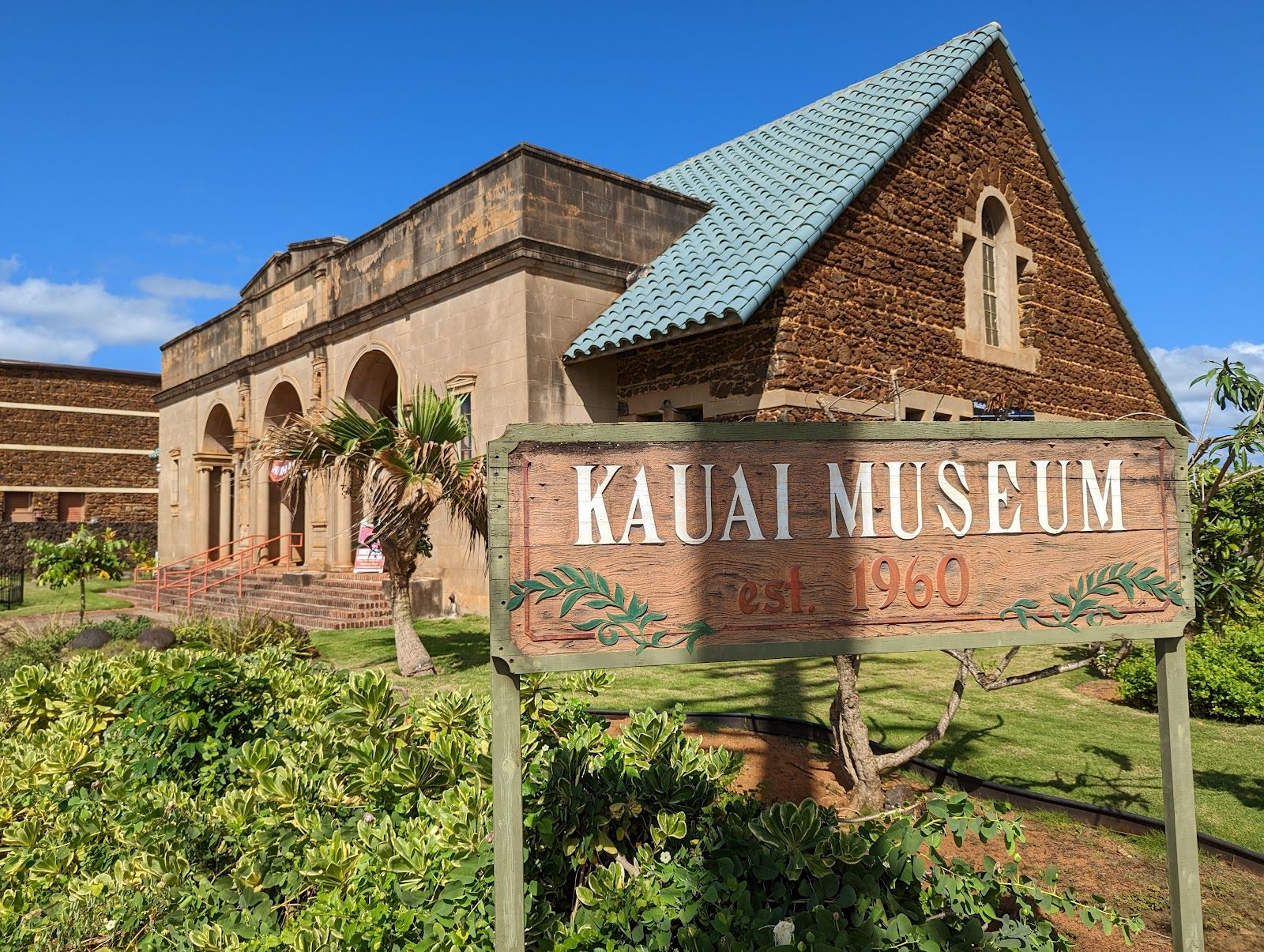
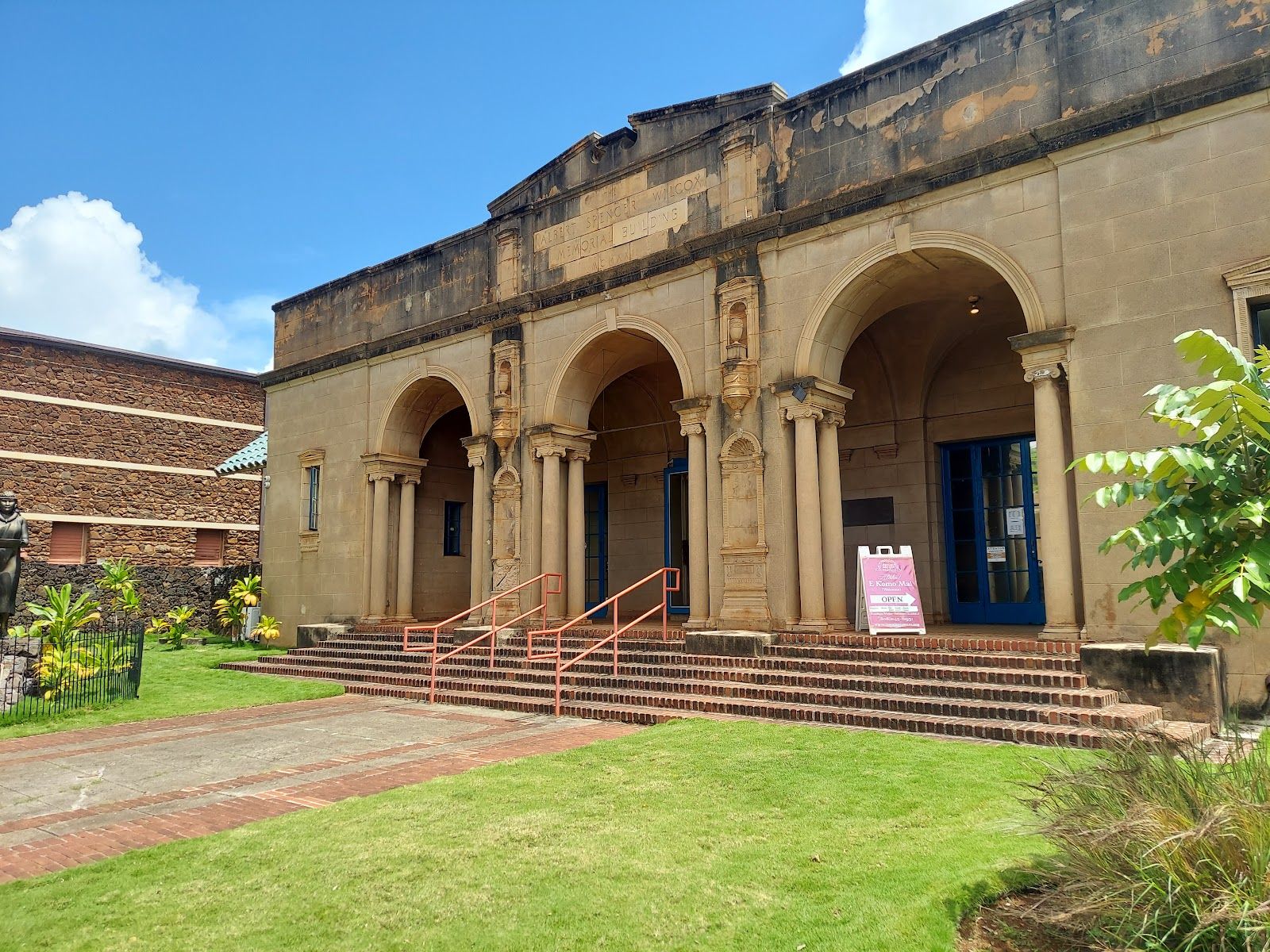
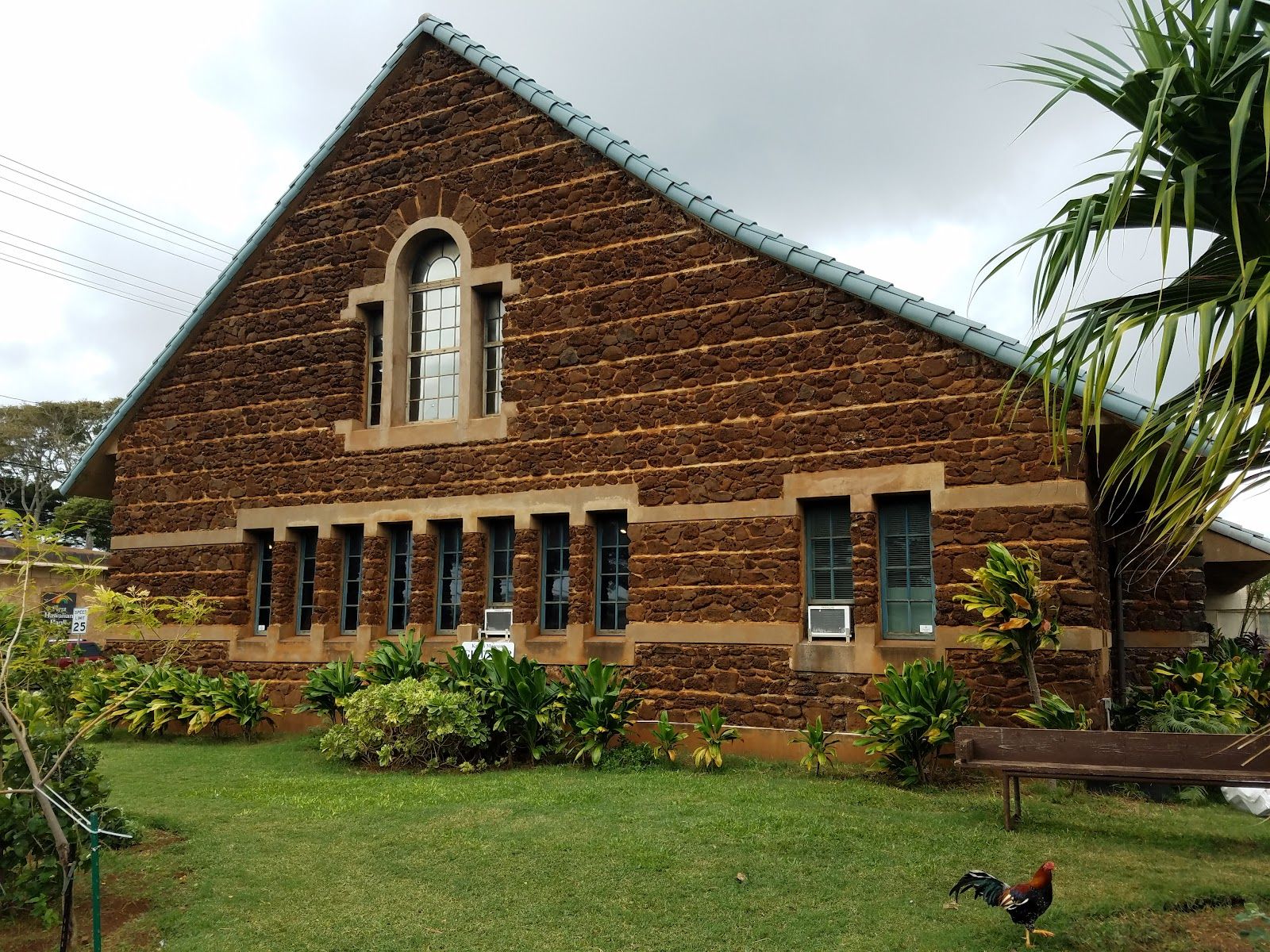
The Kauaʻi Museum in Līhuʻe offers a rich cultural and historical experience featuring Hawaiian artifacts, plantation-era exhibits, and rotating art shows in air-conditioned, accessible lava-rock buildings.
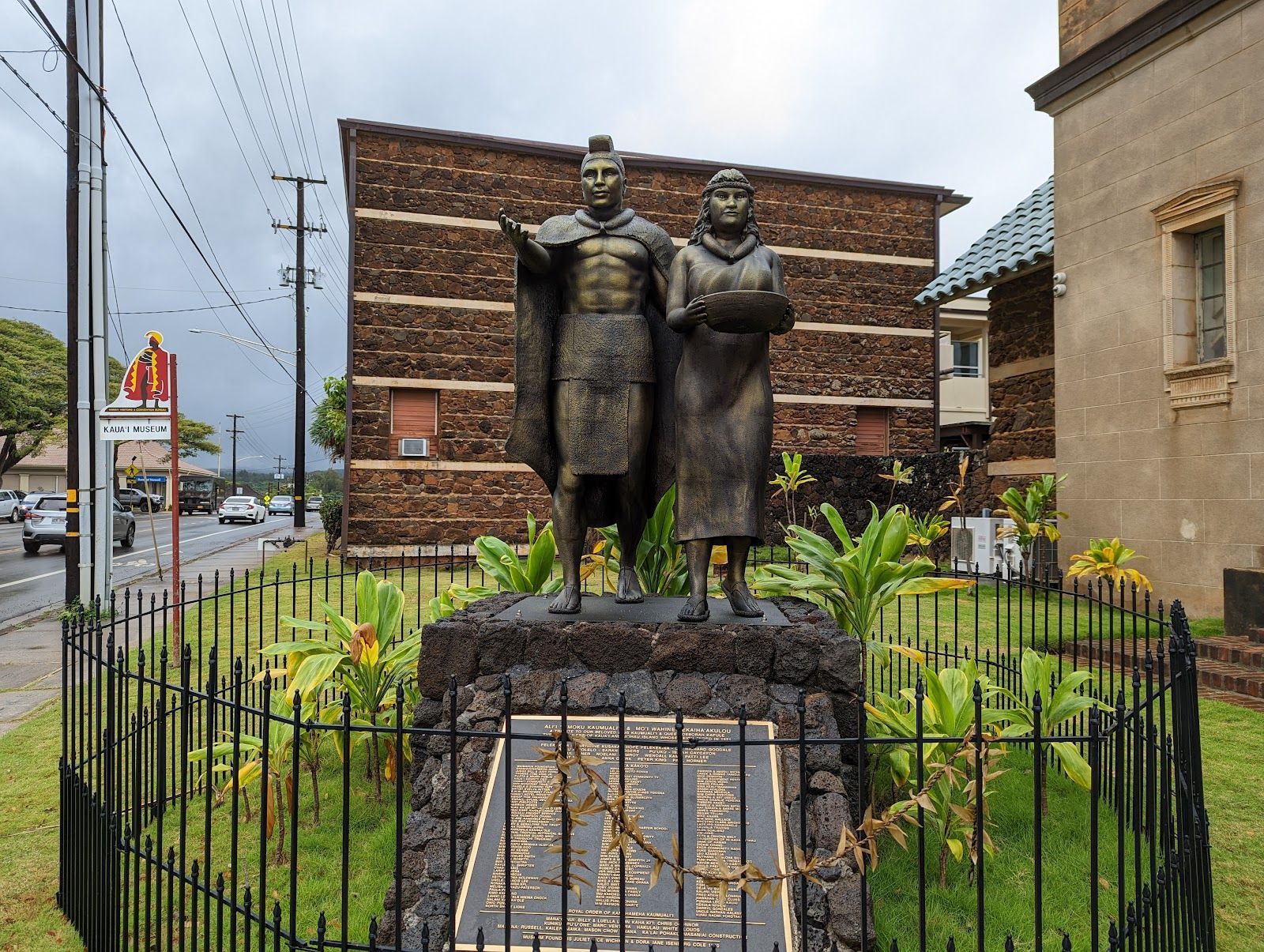
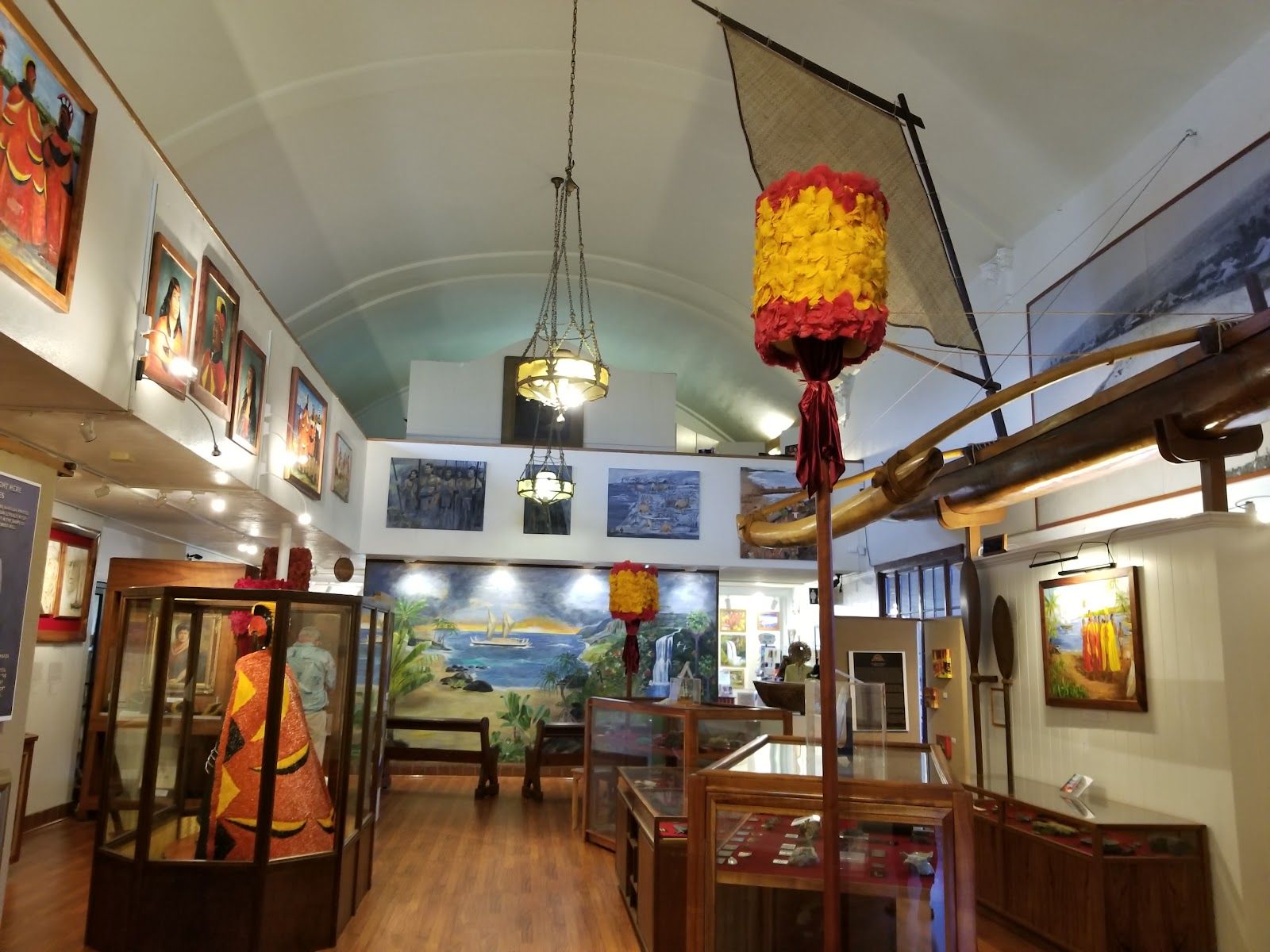
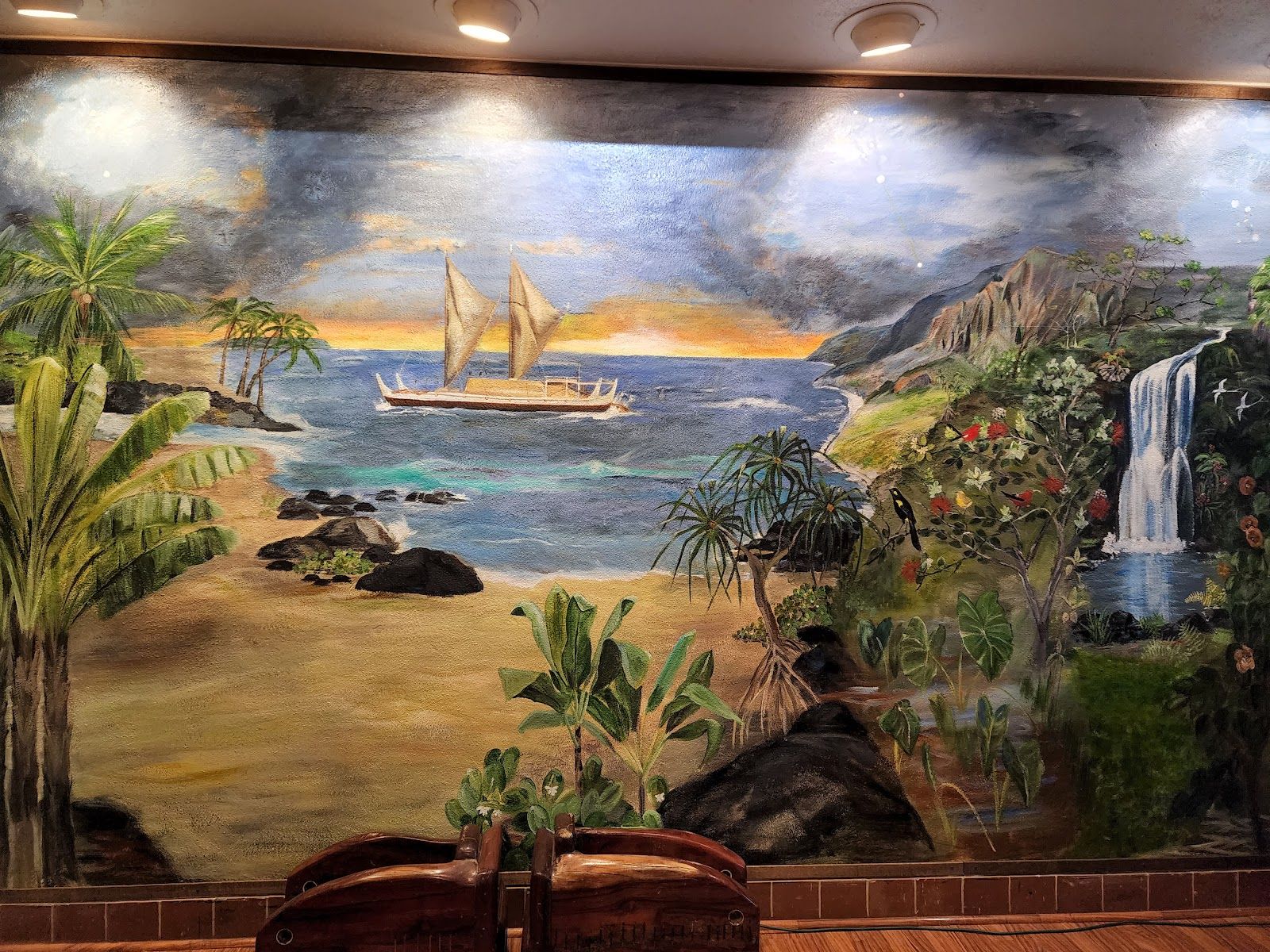
- Guided docent tours linking geology, monarchy artifacts, and plantation history
- Rotating art exhibitions in the new Waimakua & Maryanne Kusaka Exhibit Center
- Air-conditioned galleries with wheelchair accessibility
- Compact gift shop with local crafts and books
The Kauaʻi Museum is one of Līhuʻe’s best indoor cultural stops, especially for travelers who want more than a scenic overlook or beach break. Housed in two connected historic lava-rock buildings, it offers a compact but substantive look at Kauaʻi and Niʻihau through geology, monarchy-era artifacts, plantation history, and rotating local art. It stands out because it gives context to the island itself: not just what Kauaʻi looks like today, but how its landscape, communities, and traditions came to be.
A compact island history under one roof
The museum’s galleries move through Kauaʻi’s story in a way that makes sense for a short visit. Expect exhibits on the island’s volcanic origins, early Polynesian voyaging, native flora and fauna, the reign of King Kaumualiʻi, and the multicultural society that took shape during the plantation era. The Niʻihau material is especially notable, with featherwork and shell lei among the collection highlights.
The setting adds to the experience. The old stone buildings have a sense of place that feels appropriate for an institution focused on memory and heritage, and the indoor, air-conditioned galleries make this a strong choice when the weather turns wet or the midday heat starts to wear on a day outside.
How to plan it into a Līhuʻe day
This is an easy activity to slot into a broader Līhuʻe itinerary. It works well before lunch, after a coastal drive, or as a reset between errands, airport arrival, and a more active afternoon. A typical visit runs about 60 to 90 minutes, so it fits neatly into a half-day without taking over the schedule.
Docent-led tours are a major part of the appeal. Self-guided visitors can move at their own pace, but the guided option adds interpretation that makes the collections feel more connected and memorable. That said, the museum is not trying to be flashy or interactive in the theme-park sense; much of the experience is text-based and traditional in presentation, so travelers who prefer highly immersive exhibits may find it more subdued than expected.
The gift shop is worth a look even for non-shoppers. It is known for locally made crafts, books, and artwork, which makes it a useful stop for gifts that feel more rooted in Kauaʻi than generic souvenir shelves.
Small details that matter
Parking is convenient but limited, with a small free lot on-site and metered street parking nearby. On busier days, especially when cruise traffic is in town, arriving earlier is the safer bet. Accessibility is generally good on the main floor, though the upstairs mezzanine is stairs-only. Large bags may need to be checked, and food and drink should stay out of the galleries.
These are the kinds of details that make the museum easy to use, but also worth planning around if the visit is part of a tight day. It is not the place to improvise with a big backpack, a snack break, or a very short layover-style stop.
Best for travelers who want context, not spectacle
The Kauaʻi Museum is especially rewarding for first-time visitors, history lovers, and families who want an educational stop that still feels manageable. It is also a strong rainy-day option and a good fit for travelers who want to understand Kauaʻi beyond beaches and viewpoints.
Those looking for high-energy, hands-on, or outdoor activity may want something different. Very young children may also have a harder time with the more traditional exhibit style. But for anyone who wants a clear, grounded introduction to the island’s past and cultural identity, this is one of Līhuʻe’s most useful stops.