
Kauai Plantation Railway
Enjoy a 40-minute narrated heritage train ride around Kilohana Plantation featuring open-air railcars, animal feeding, and stories of Kaua‘i’s sugar-era history. This easy, family-friendly tour offers minimal physical exertion and accessibility options.
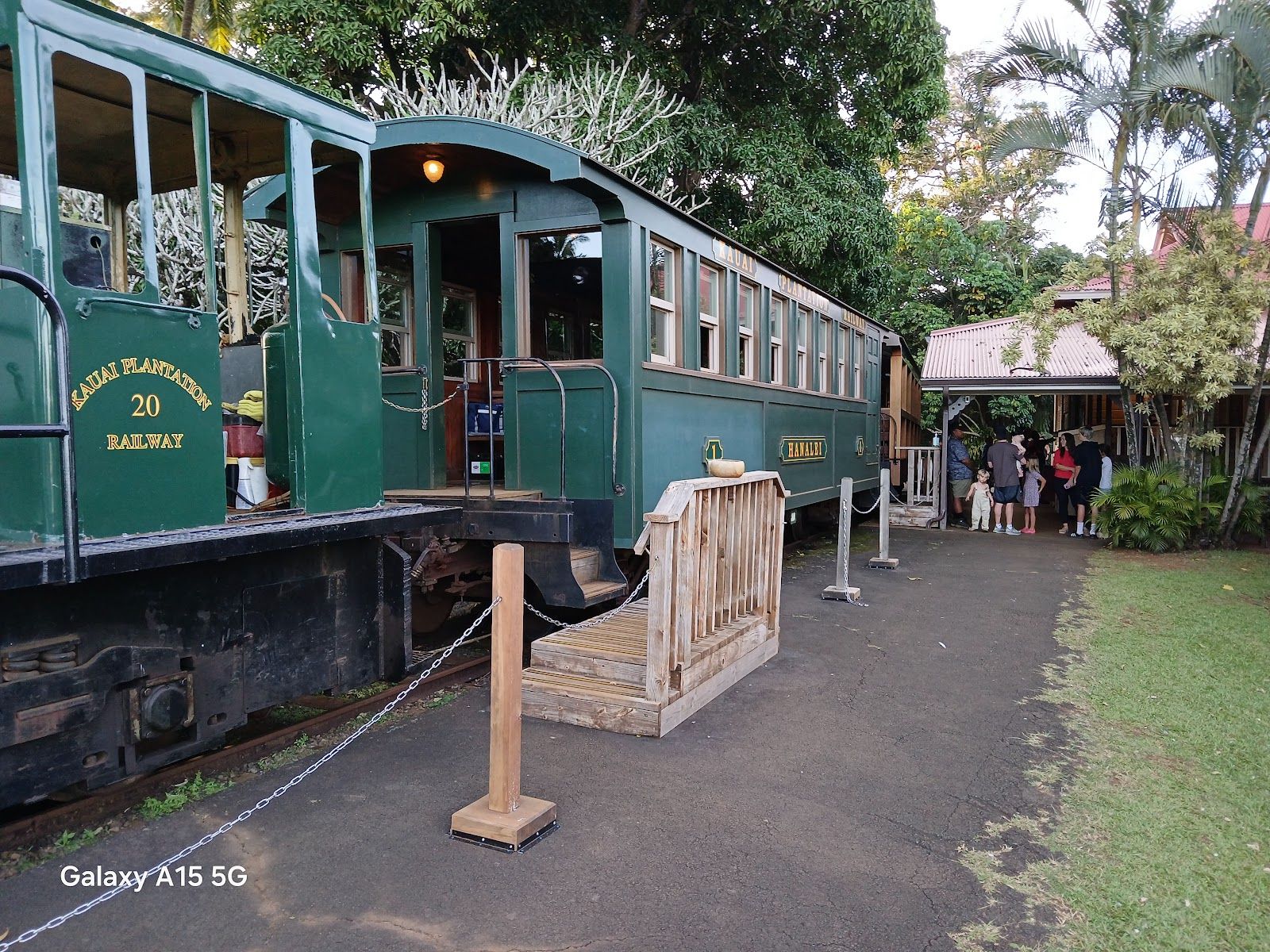
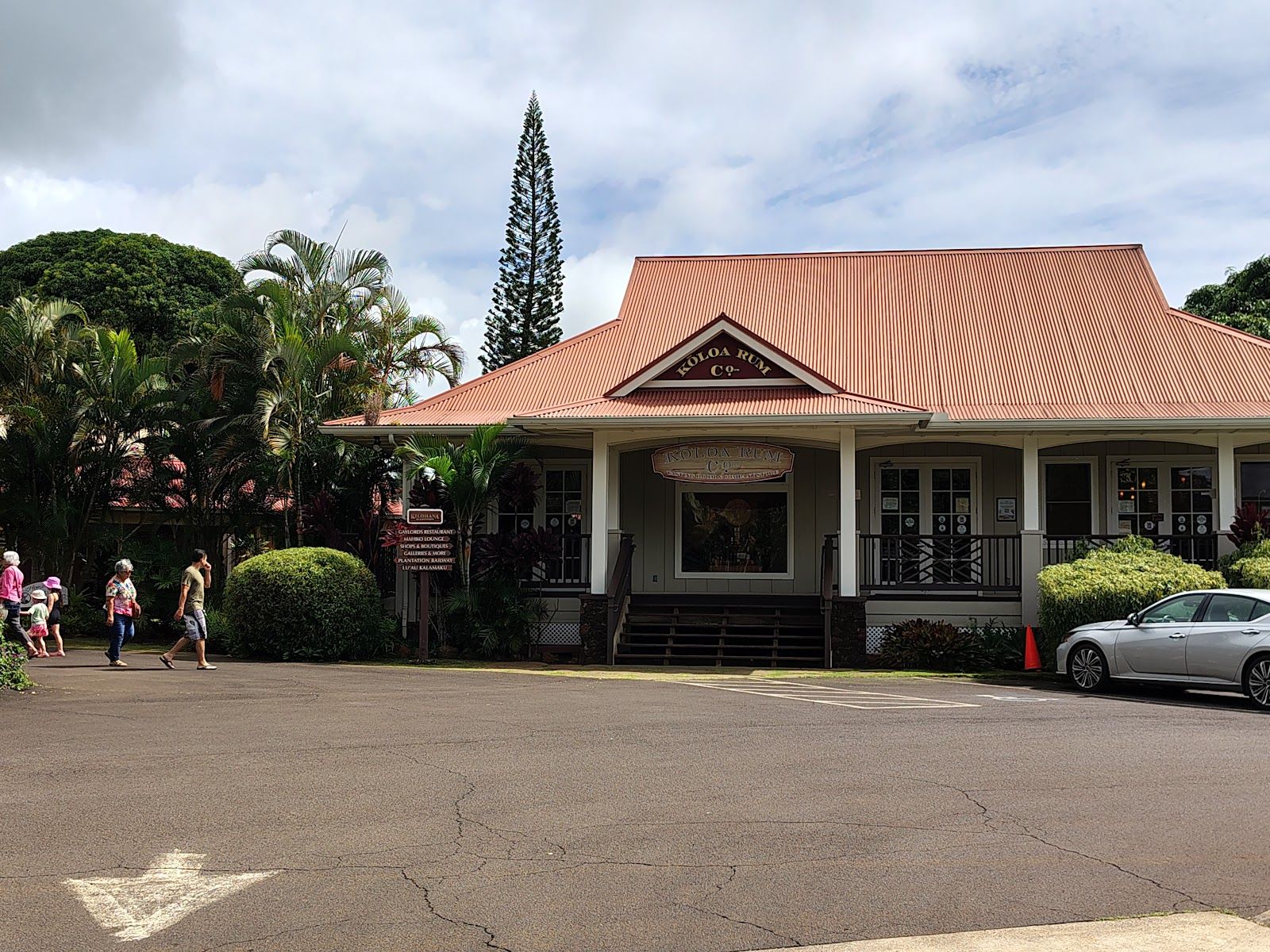
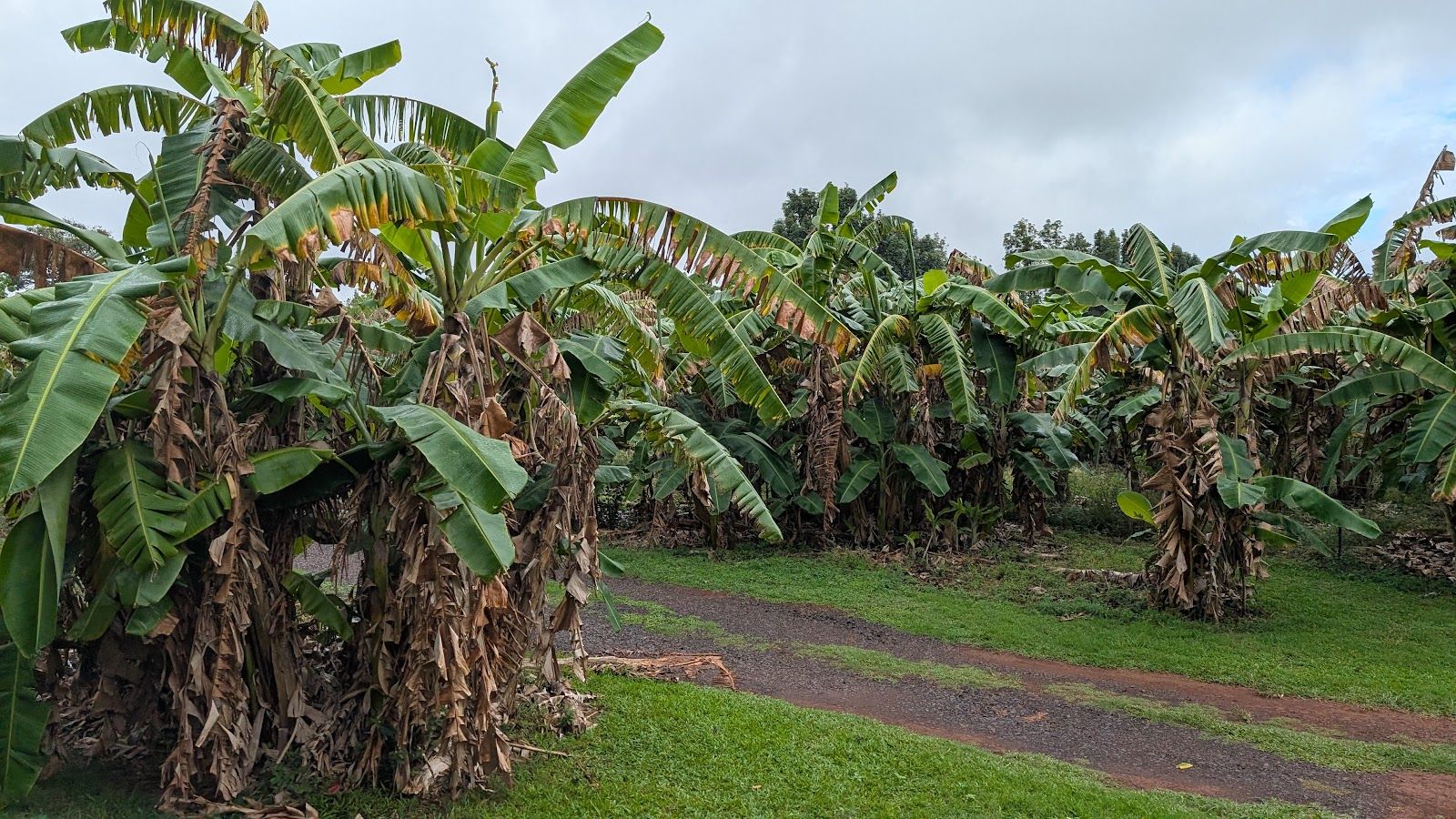
- Open-air railcars pulled by 1940s diesel locomotives
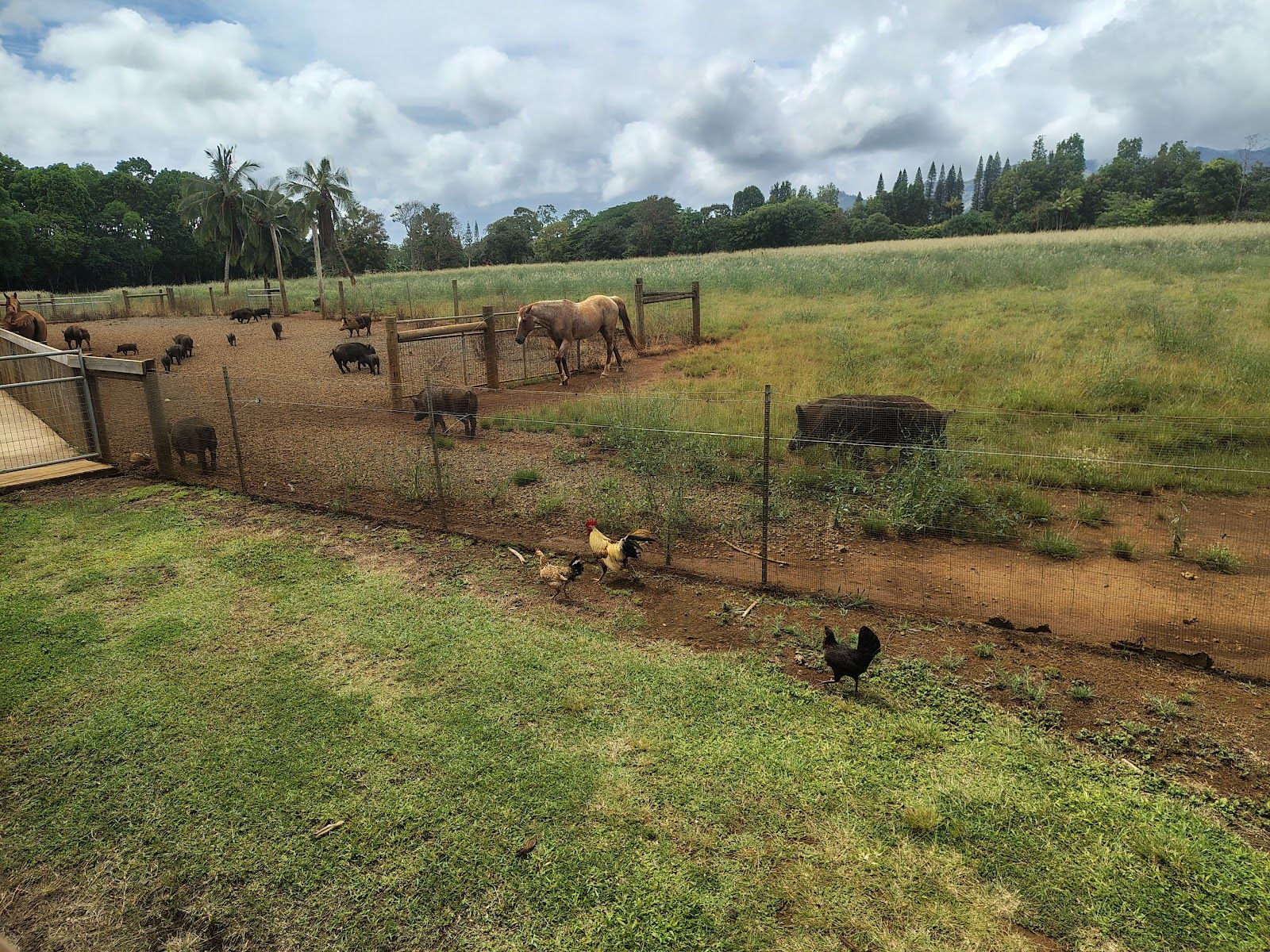
- Stop to hand-feed pigs, goats, and sheep
- Narration on Kaua‘i’s sugar-era past and diversified crops
- Wheelchair accessible railcar with lift
The Kauai Plantation Railway is a short heritage train ride at Kilohana Plantation in Līhuʻe, making it one of the easiest low-effort, high-appeal outings on the island’s east side. It works especially well as a half-day addition to a Līhuʻe stay, an airport-day activity, or a family stop between more time-consuming adventures. What sets it apart is the setting: instead of a simple tourist loop, the train moves through a working plantation landscape that ties Kauaʻi’s sugar history to the island’s present-day agriculture.
A narrated loop through Kilohana’s working grounds
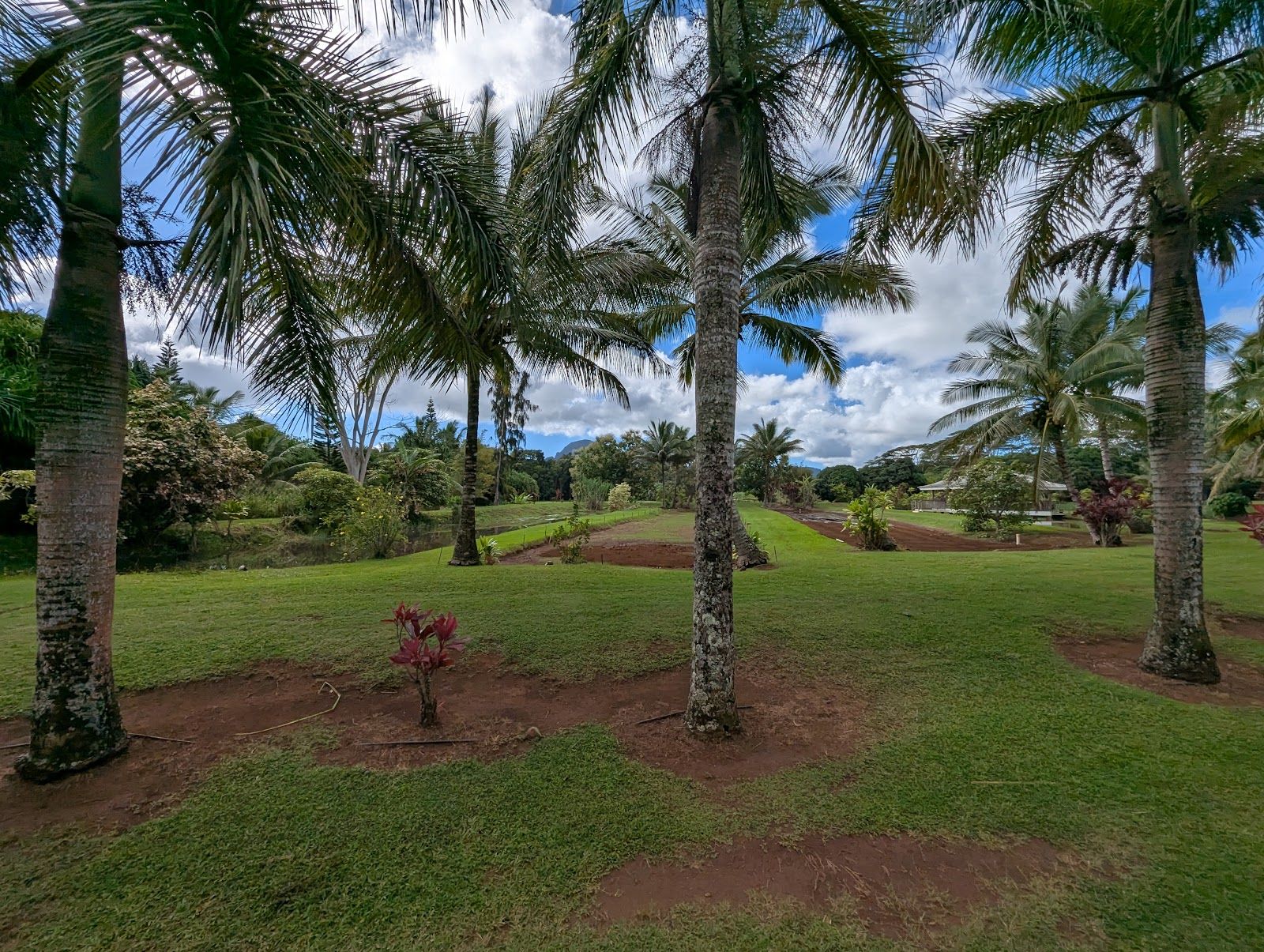
The signature ride is a narrated 40-minute tour in open-air railcars pulled by a vintage 1940s diesel-electric locomotive. The route covers about 2.5 miles through the 105-acre Kilohana estate, with commentary that connects the plantation’s past to the crops grown there now. That mix gives the experience a bit more substance than a novelty train ride: sugarcane history is part of the story, but so are the orchards, farm fields, and the broader shift toward diversified agriculture.
The railcars are open-sided, which keeps the ride breezy and scenic but also exposes passengers to sun and passing weather. It is an easygoing outing rather than an immersive wilderness excursion, and that is part of the appeal. The terrain is gentle, the pace is relaxed, and the focus stays on landscape, farming, and local history rather than adrenaline or spectacle.
A family-friendly highlight is the stop to feed farm animals, including pigs, goats, sheep, and a donkey named Stiney. That moment gives the ride some personality and makes it especially good for children, though adults tend to appreciate the agriculture angle too.
Why it works well in Līhuʻe
This is one of the more practical activities to anchor around Līhuʻe because it does not demand much transit time, physical exertion, or weather-specific planning. Travelers can slot it into a day with nearby dining, shopping, or other Kilohana attractions without building an entire itinerary around it. The estate also includes Gaylord’s restaurant, a Kōloa Rum Company tasting room, shops, and Luau Kalamaku, so the railway can serve as one piece of a larger plantation visit rather than a standalone detour.
The train also pairs well with a slower day on Kauaʻi. It is a sensible option after a flight, before a late lunch, or on a day when ocean conditions or longer drives do not make sense. The “Train & Lunch” version extends the experience with an orchards-and-forest walk, an alpaca encounter, and a farm-to-table meal, turning it into a fuller half-day outing for travelers who want more than the basic loop.
The tradeoffs: short, polished, and not especially wild
The Kauai Plantation Railway is easy, accessible, and polished, but it is also intentionally curated. Travelers looking for a rugged backcountry feel, dramatic views, or a deeply historical industrial-rail experience may find it lighter and more commercial than they want. The standard ride is brief, so those hoping for a long-form excursion may leave wanting more.
It is also worth planning ahead. Advance reservations are sensible, especially during busier periods, and it helps to arrive a little early for check-in. An ADA-accessible railcar is available, though it is wise to confirm details ahead of time if mobility access matters. Because the railcars are open-air and the tour runs in varied weather, sun protection and a light rain plan are smart.
Best for families, first-timers, and easygoing itineraries
This railway fits best for families with children, multigenerational groups, and travelers who want a low-impact activity with a bit of local context. It is particularly strong for visitors staying in or near Līhuʻe, or for anyone wanting a relaxed cultural stop that does not require strenuous walking.
It is less compelling for travelers whose Kauaʻi time is limited and who want to prioritize beaches, hiking, or more dramatic scenery. But for an approachable introduction to the island’s plantation past and agricultural present, the Kauai Plantation Railway is one of Līhuʻe’s most convenient and distinctive options.