

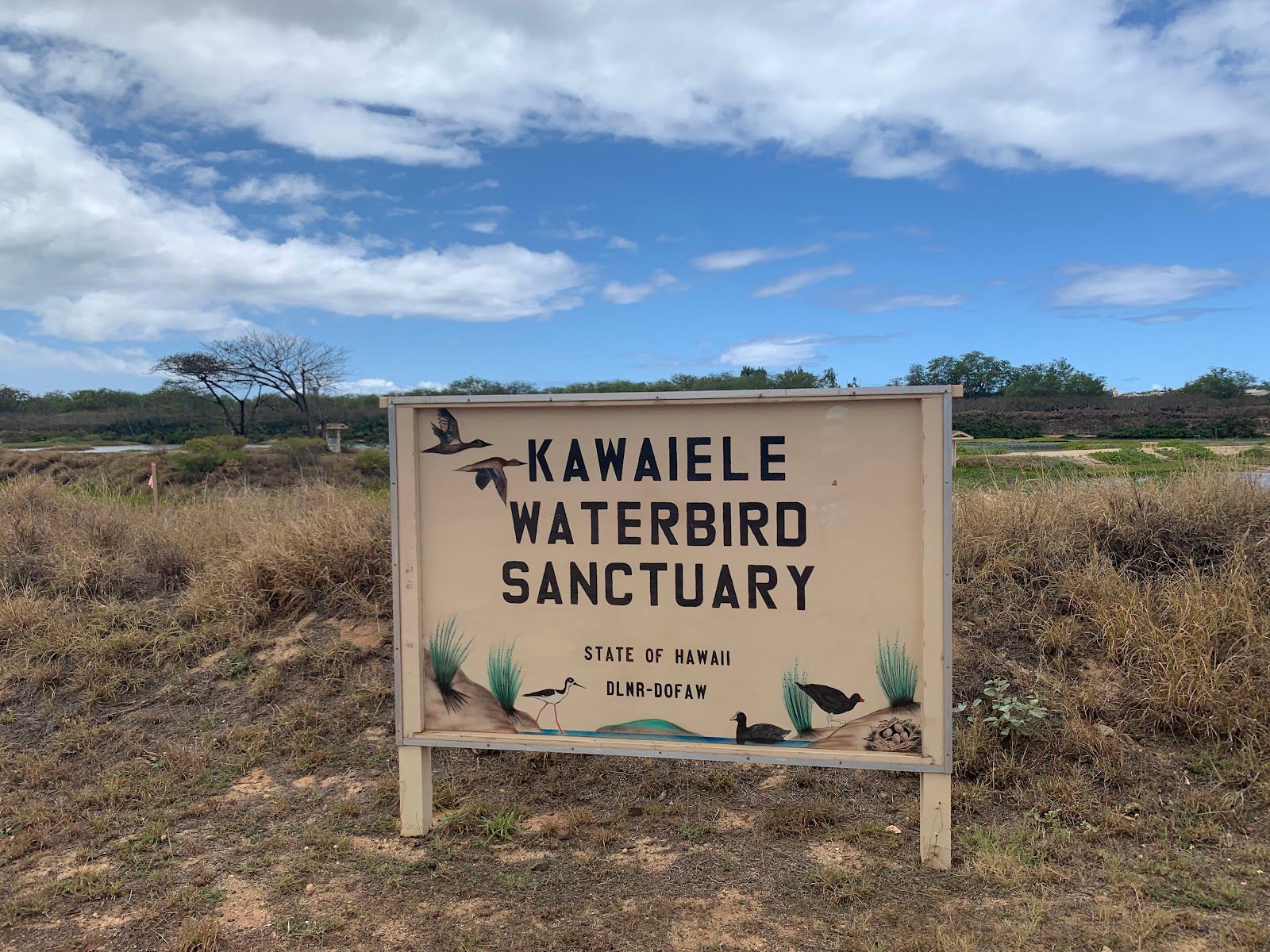
Kawaiʻele Waterbird Sanctuary
Kawaiʻele Waterbird Sanctuary is a 35-acre free state wildlife sanctuary on Kauai’s west side, offering an easy, self-guided stroll to observe endangered native waterbirds in a peaceful wetland habitat. It’s ideal for nature lovers and bird watchers seeking a tranquil outdoor experience.
- Endangered Hawaiian waterbirds habitat
- Flat, easy walking trails around ponds
- Interpretive signage about native flora and fauna
- Serene, uncrowded environment
Kawaiʻele Waterbird Sanctuary is a small, free wetland preserve in Kekaha on Kauaʻi’s West Side, and it stands out as a quiet birding stop rather than a major sightseeing destination. Set just off Kaumualiʻi Highway, it fits neatly into a West Side day for travelers who want a slower, more nature-focused break between beach time, Waimea, and the drier lowland landscapes that define this part of the island.
A restored wetland with a strong conservation story
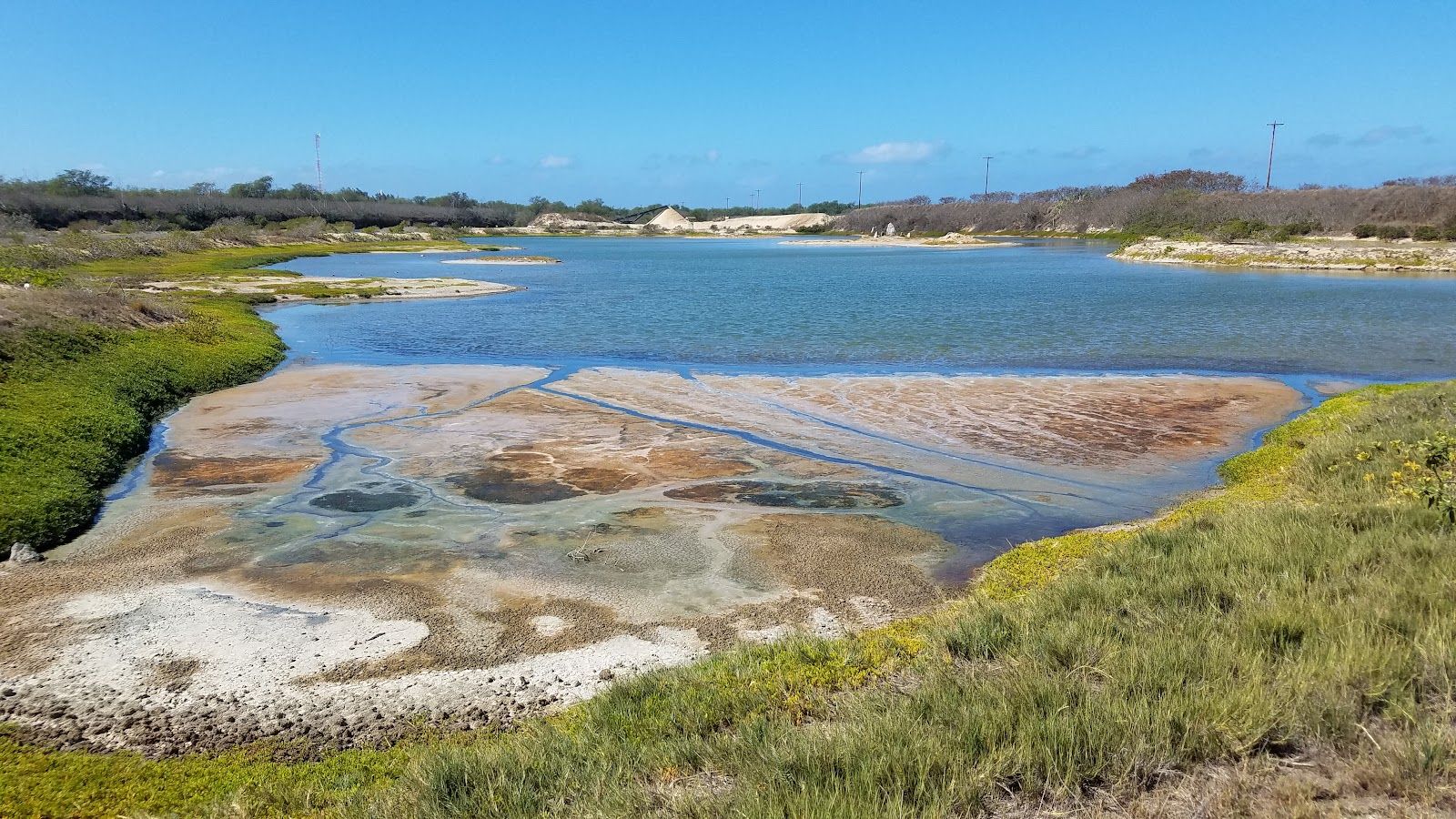
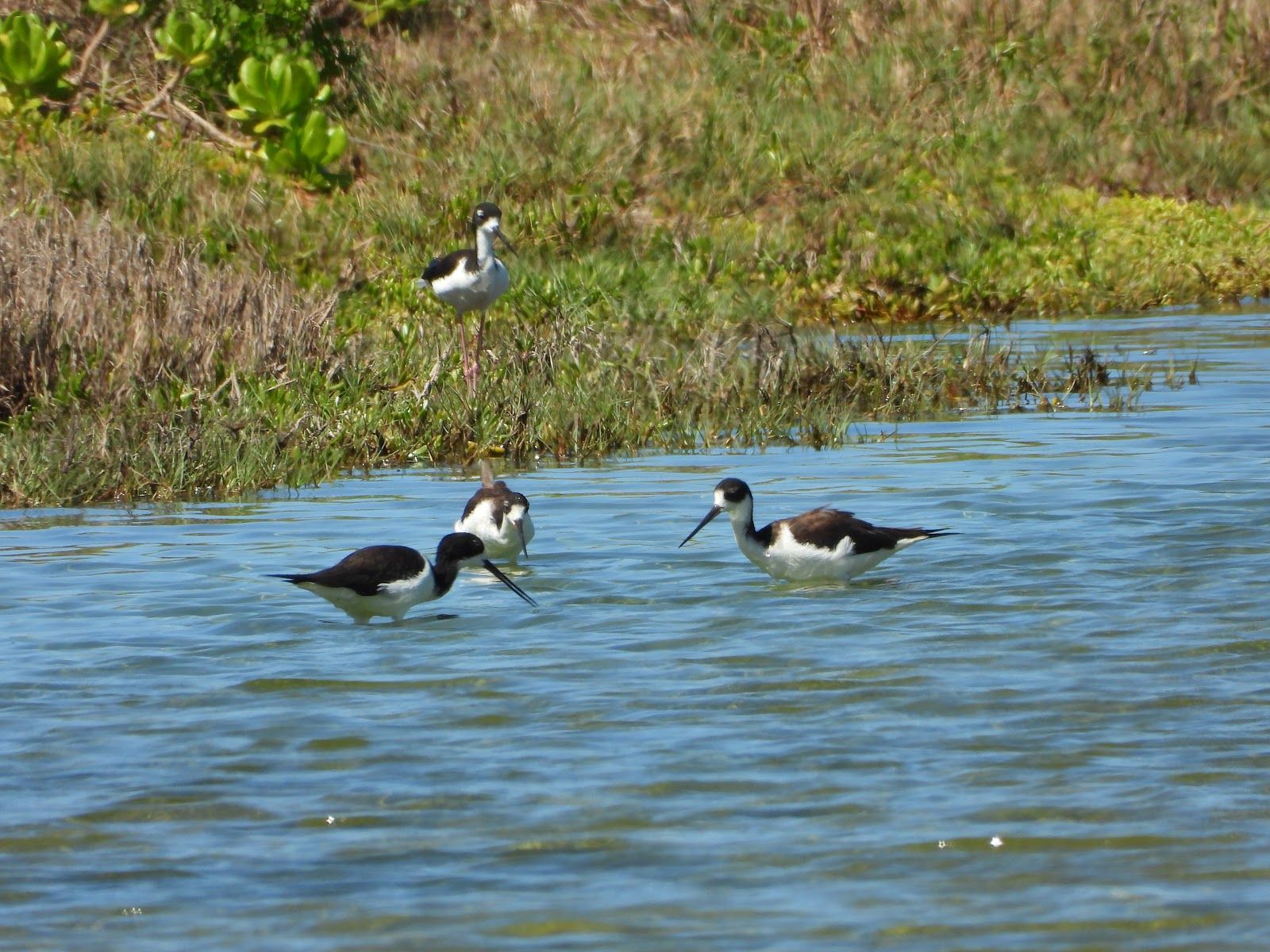
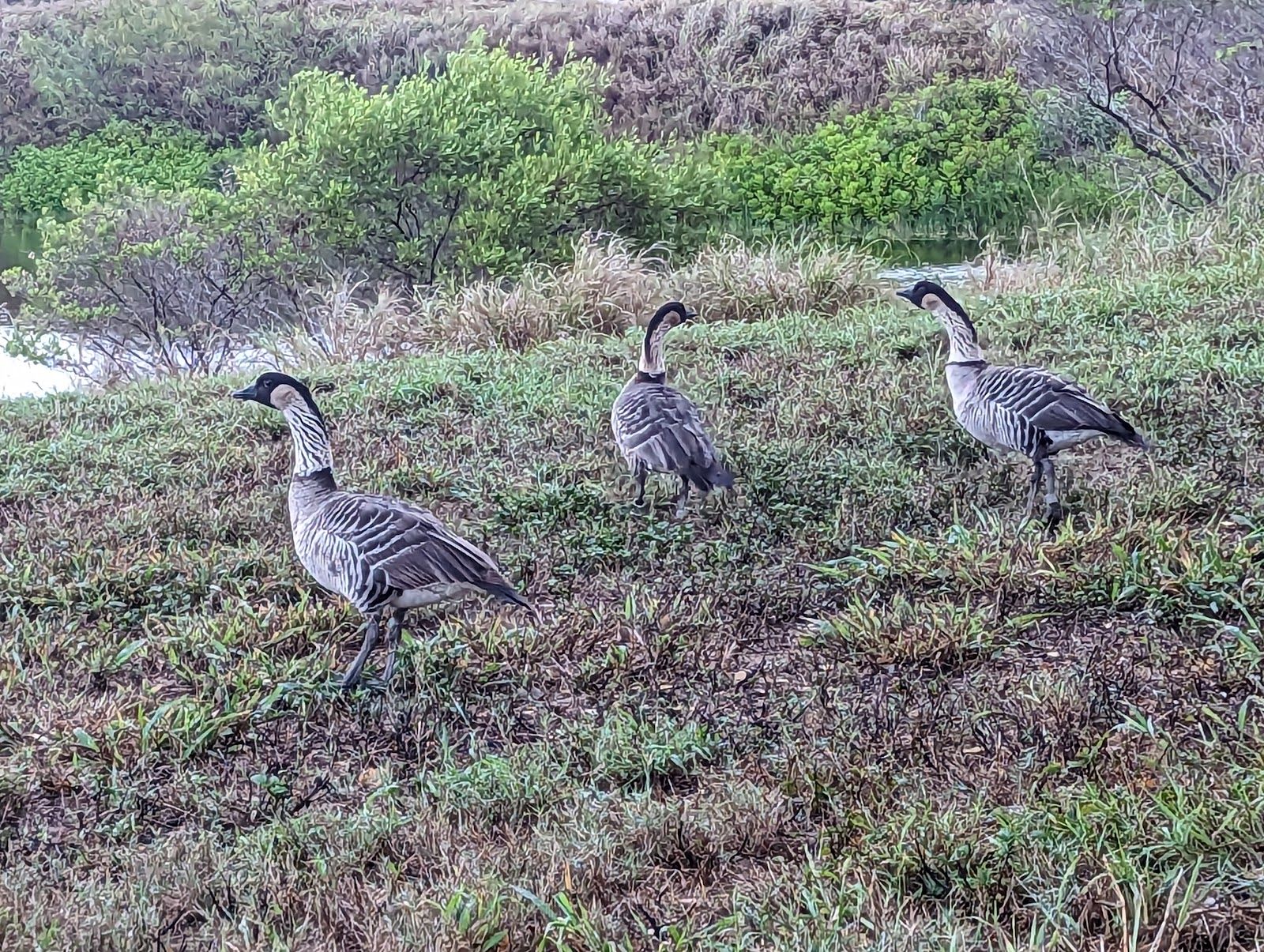
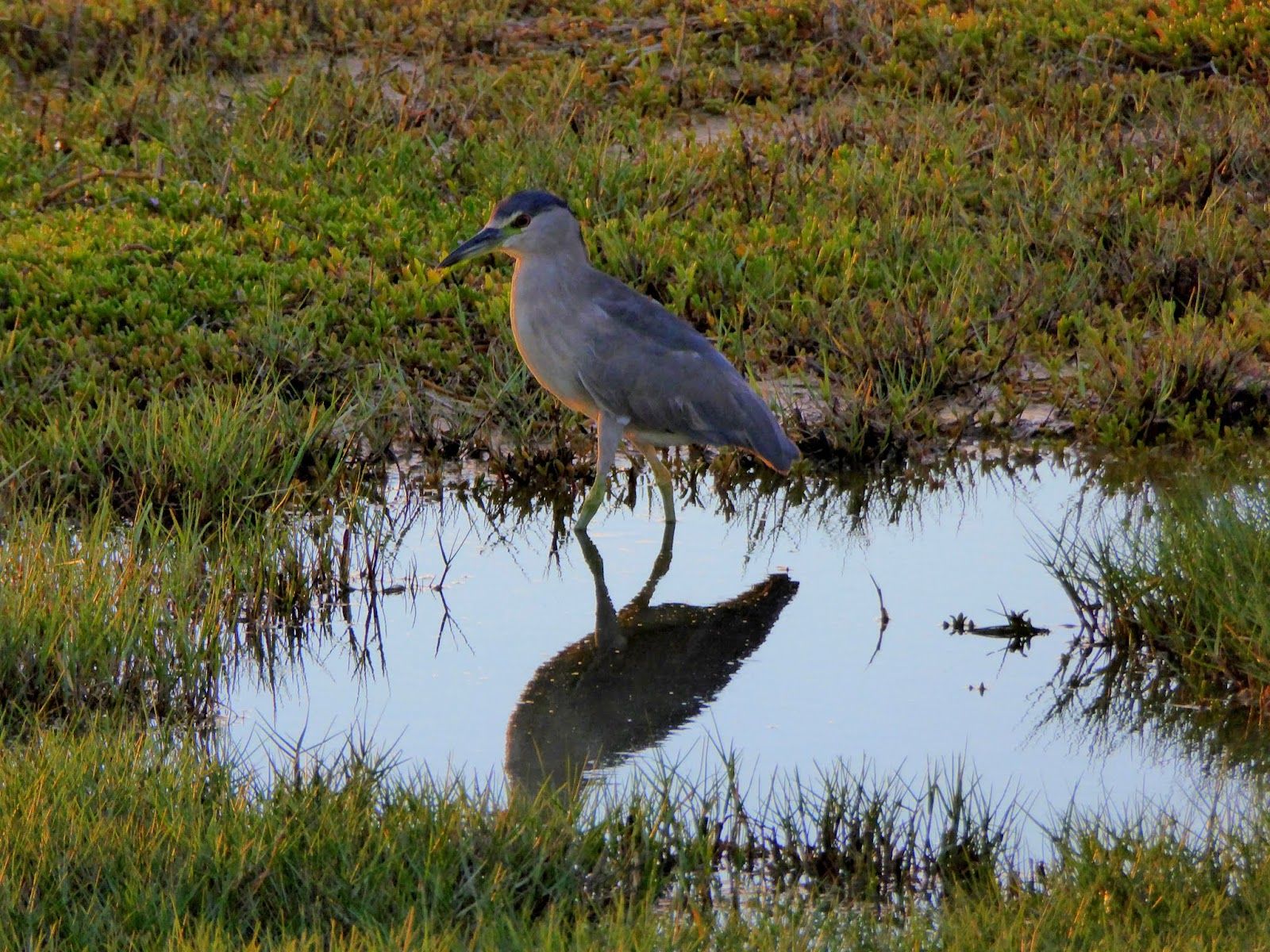
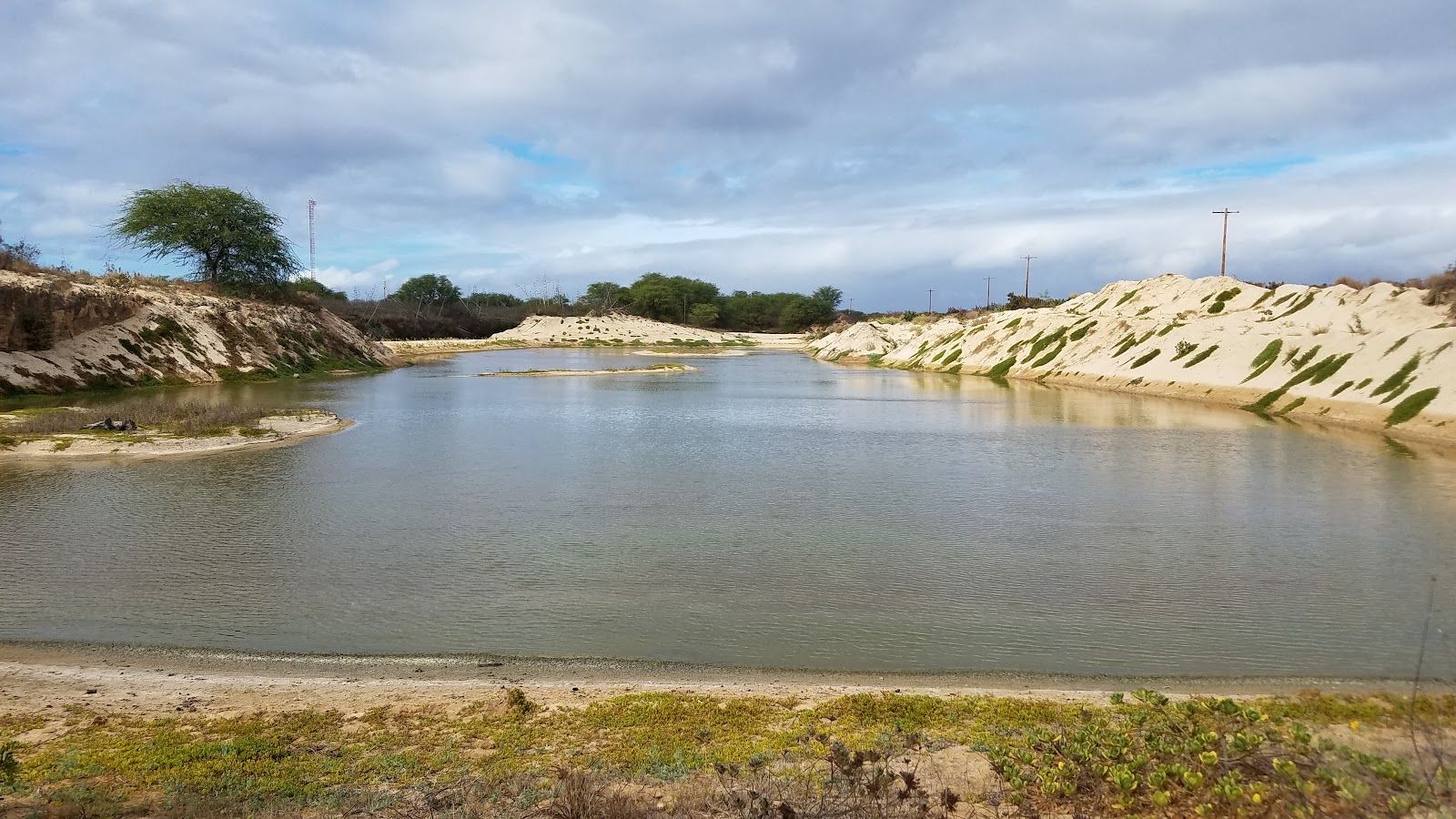
This sanctuary protects a 35-acre restored wetland on the Mānā Plain, an area that once held one of Hawaiʻi’s largest wetlands before drainage and development changed the landscape. Today it functions as important habitat for endangered native waterbirds, including the Hawaiian stilt, Hawaiian coot, Hawaiian moorhen, and Koloa duck, along with migratory species and the occasional nēnē.
That conservation role gives the place its character. The ponds and surrounding habitat are simple and unpolished, but the setting matters: this is one of the West Side’s best reminders that Kauaʻi’s coastal plain is not only about beaches and sunsets. It is also a working landscape of restoration, where wildlife comes first.
The walk itself: quiet, flat, and very low-key
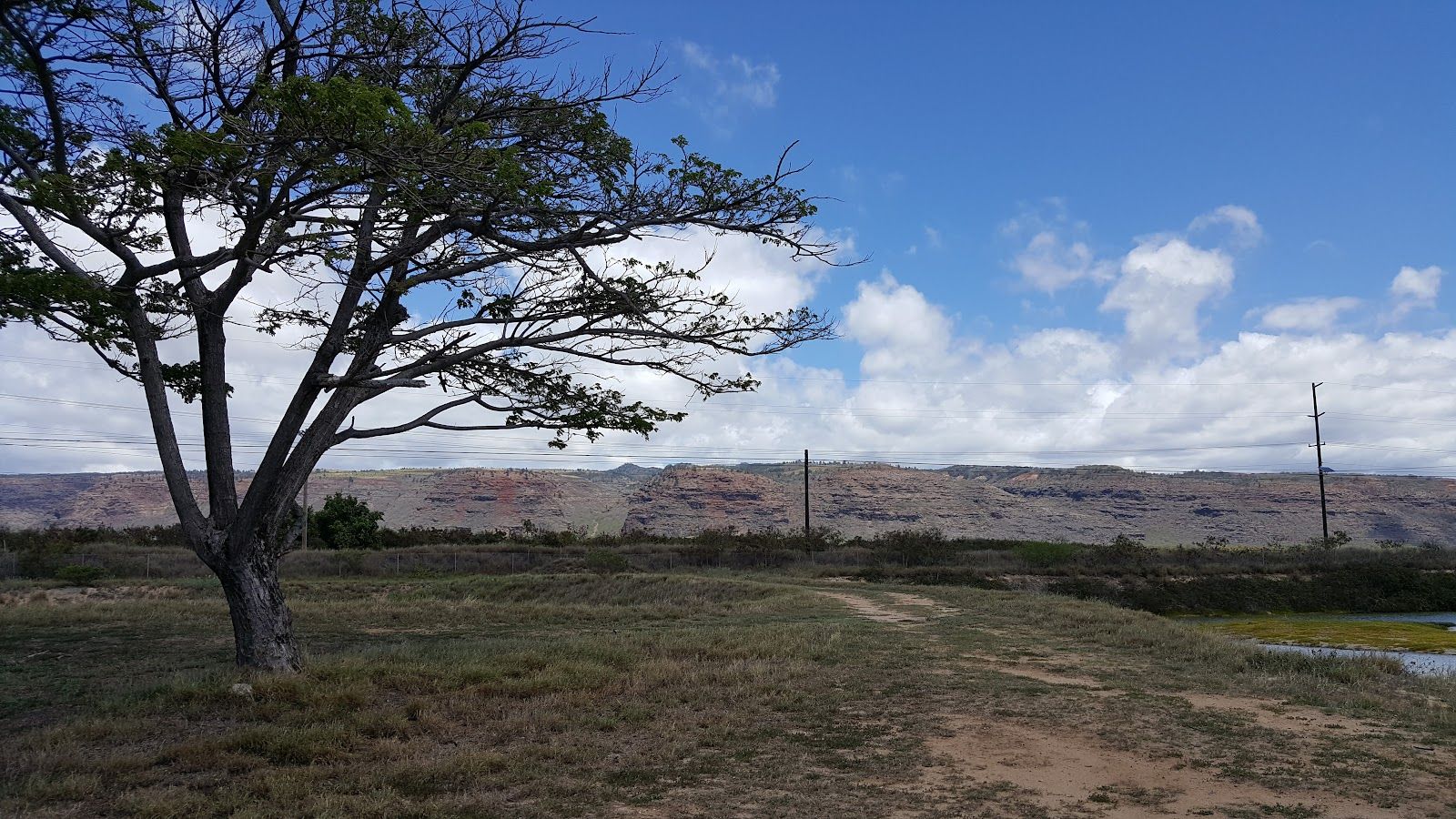
The visitor experience is straightforward. Expect a self-guided walk on flat, unpaved paths around several ponds, with interpretive signs that help identify native birds and labeled plants. The sanctuary is best for slow looking rather than checking off a long list of amenities.
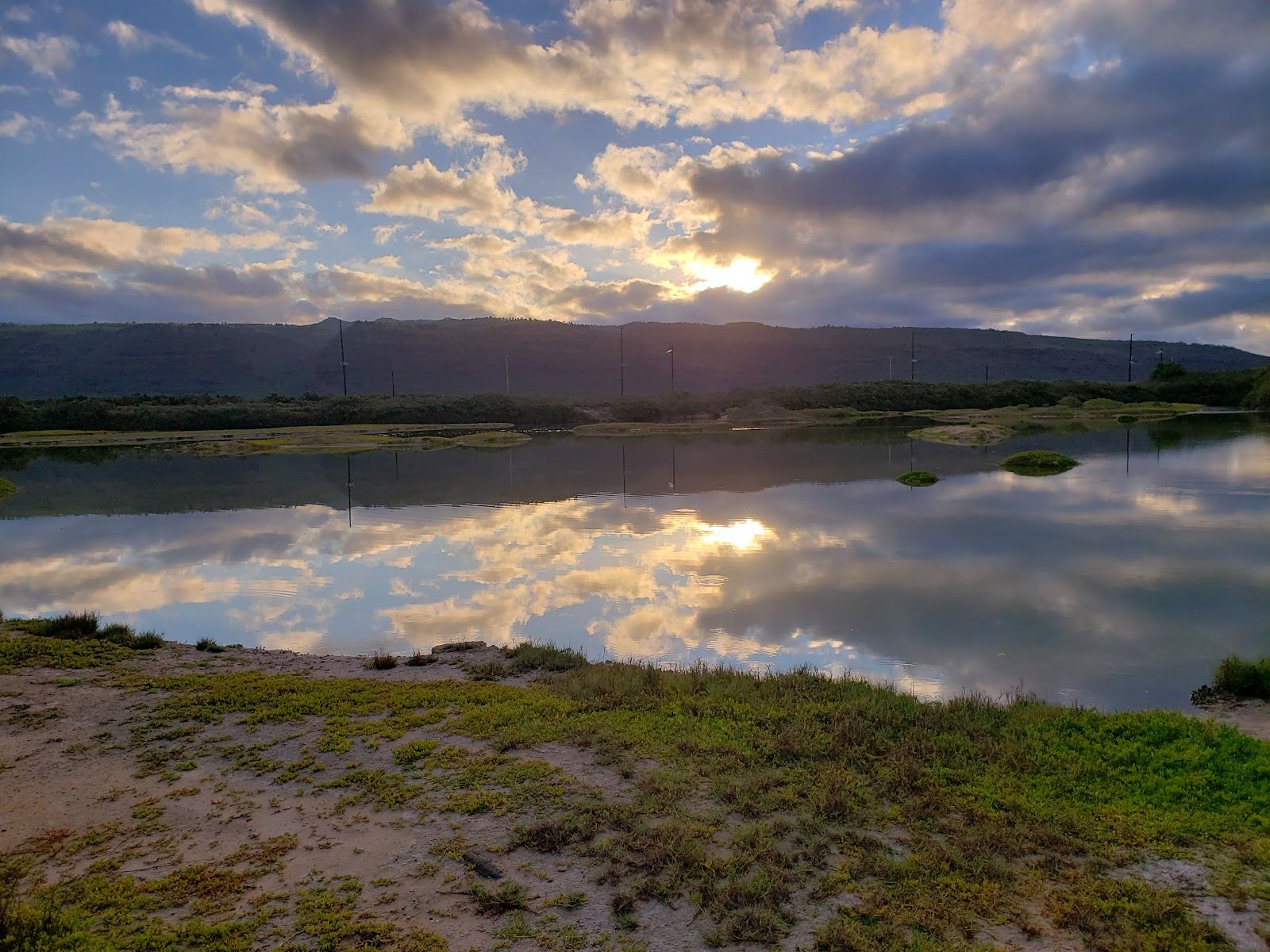
It is especially appealing for birdwatchers, photographers, and anyone who enjoys a place that rewards patience. Bird activity can be excellent in the early morning and late afternoon, when the light is softer and wildlife tends to be more active. Because the site is open and uncrowded, birds may be visible at comfortable distances, but that calm atmosphere depends on visitors keeping their distance and staying on the path.
A visit usually works well as a 30-minute stop, though birders and photographers may linger longer. It pairs naturally with nearby West Side stops such as Kekaha Beach, Waimea, or a longer drive up toward Waimea Canyon.
Practical realities on the West Side
Kawaiʻele is rustic by design. The entrance is easy to miss, the parking area is small and unimproved, and there are no restrooms, water fountains, shade structures, benches, or visitor center services on site. Plan to arrive self-sufficient, especially in hot, dry weather. Sunscreen, a hat, drinking water, and insect repellent are all smart additions.
The lack of amenities is the main tradeoff. Travelers looking for a polished park experience, picnic facilities, or a guided program will likely find this too bare-bones. The ground is flat but unpaved, so it may not suit everyone equally well if mobility is a concern.
Respect for the wildlife is essential here. Stay on designated paths, do not feed the birds, and give nesting birds plenty of space. Pet owners should look elsewhere, and drones are not appropriate in a sanctuary setting.
Best fit for travelers who like nature without the crowds
Kawaiʻele Waterbird Sanctuary is a strong choice for travelers who value quiet, inexpensive, and meaningful nature time. It is especially good for people interested in Hawaiian ecology, native birds, and conservation landscapes rather than dramatic scenery or built attractions.
Those short on time, or those traveling with companions who want facilities and a more developed experience, may prefer other West Side stops. But for the right traveler, this small sanctuary adds depth to a Kauaʻi itinerary: a simple walk that reveals how much of the island’s natural story still depends on careful habitat restoration.