
Kilauea Point National Wildlife Refuge
Kīlauea Point offers a paved, easy loop trail with stunning views of one of the world’s largest red-footed booby colonies and the historic 1913 lighthouse. Visitors can enjoy seasonal whale watching and near-guaranteed nēnē goose sightings in a wheelchair-accessible wildlife refuge.
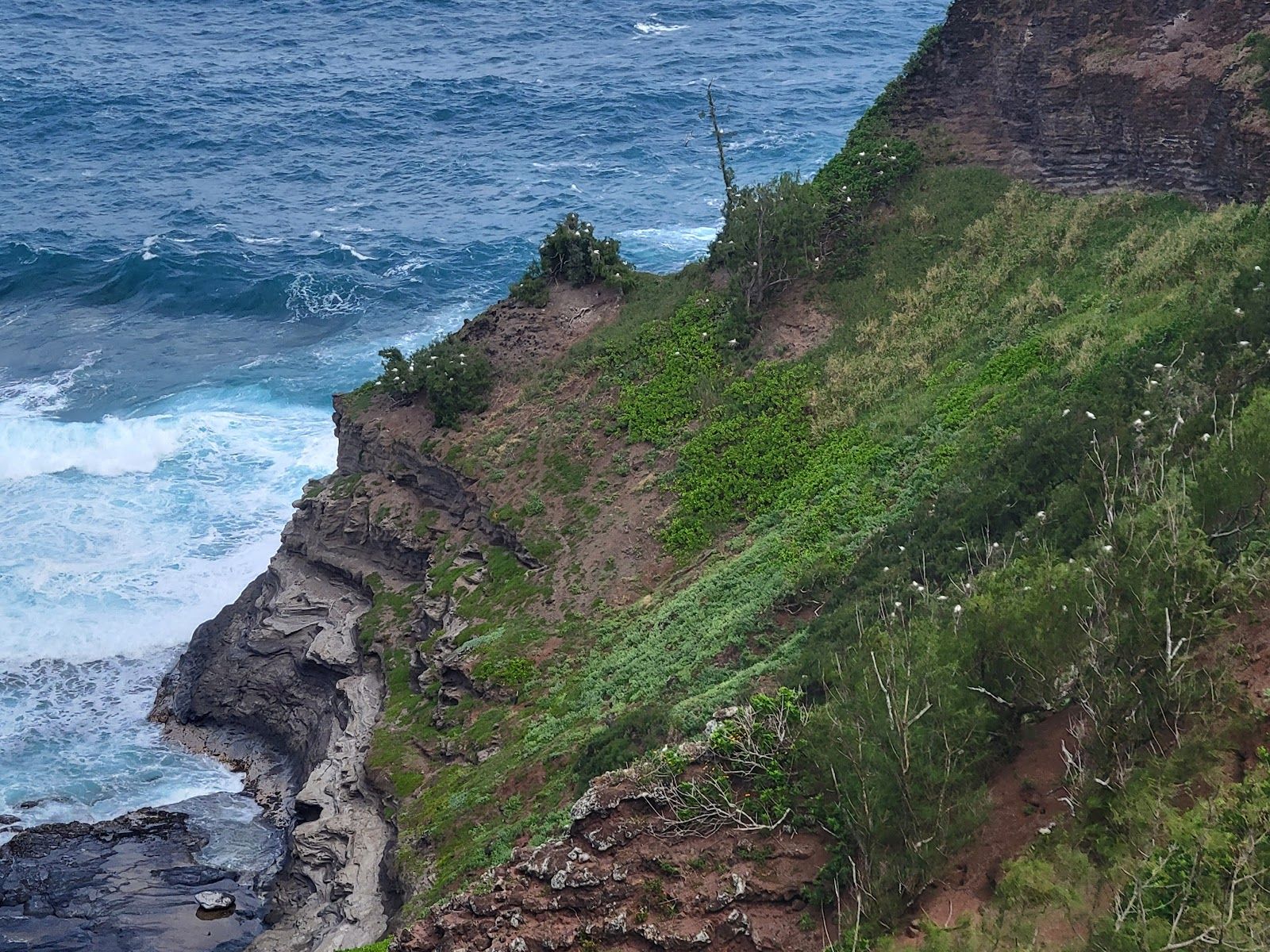
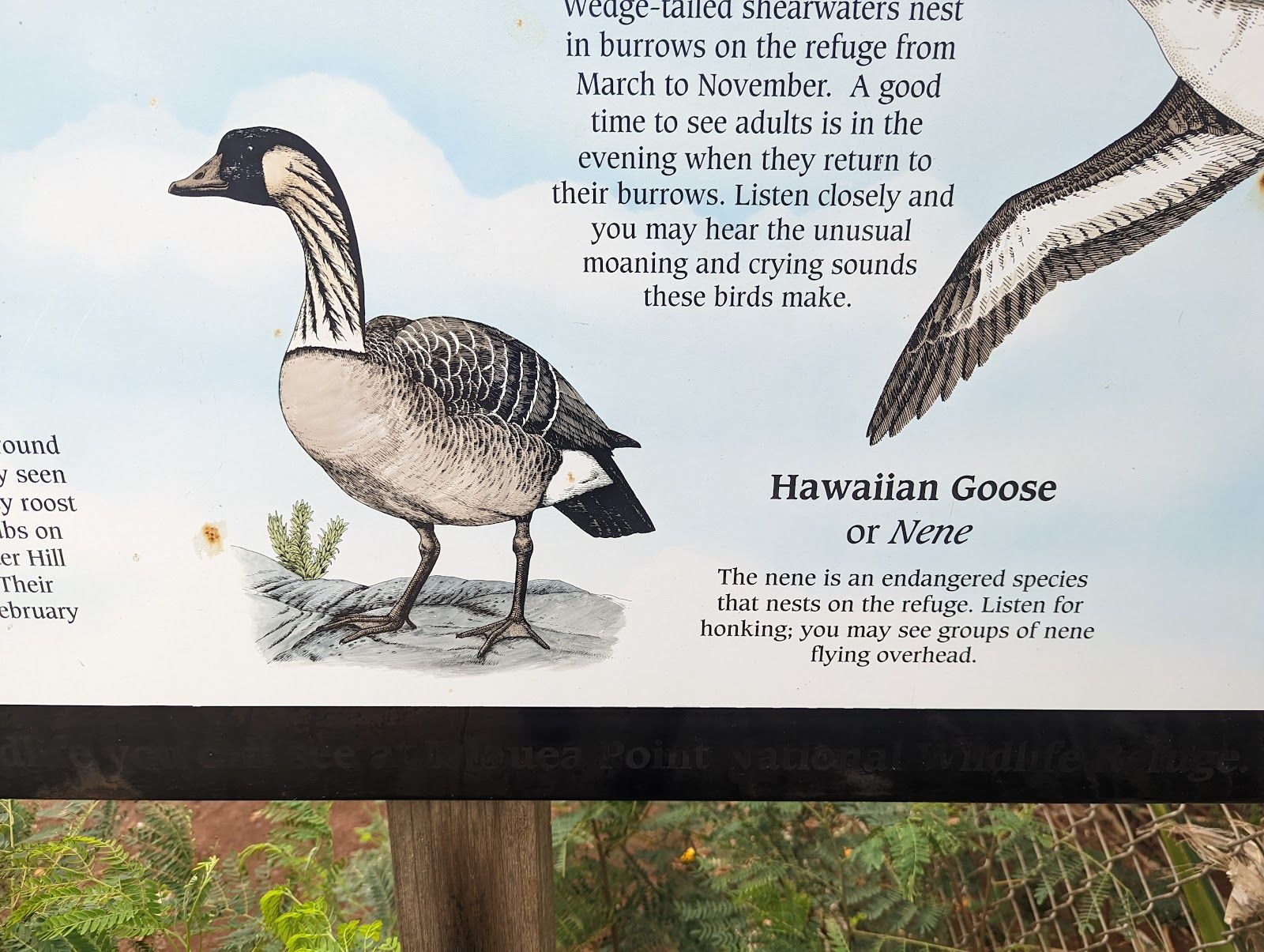
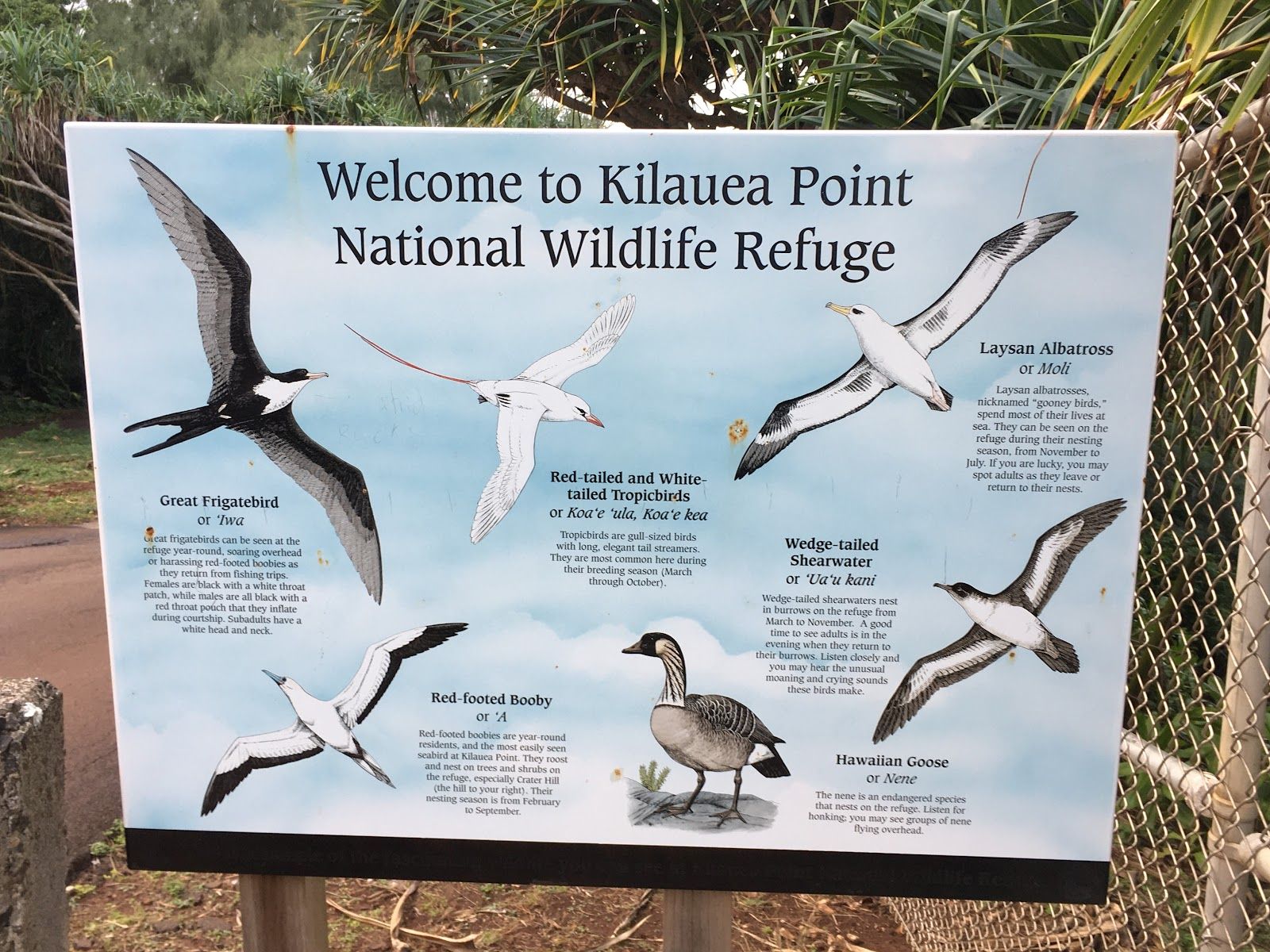
- World’s largest colony of red-footed boobies
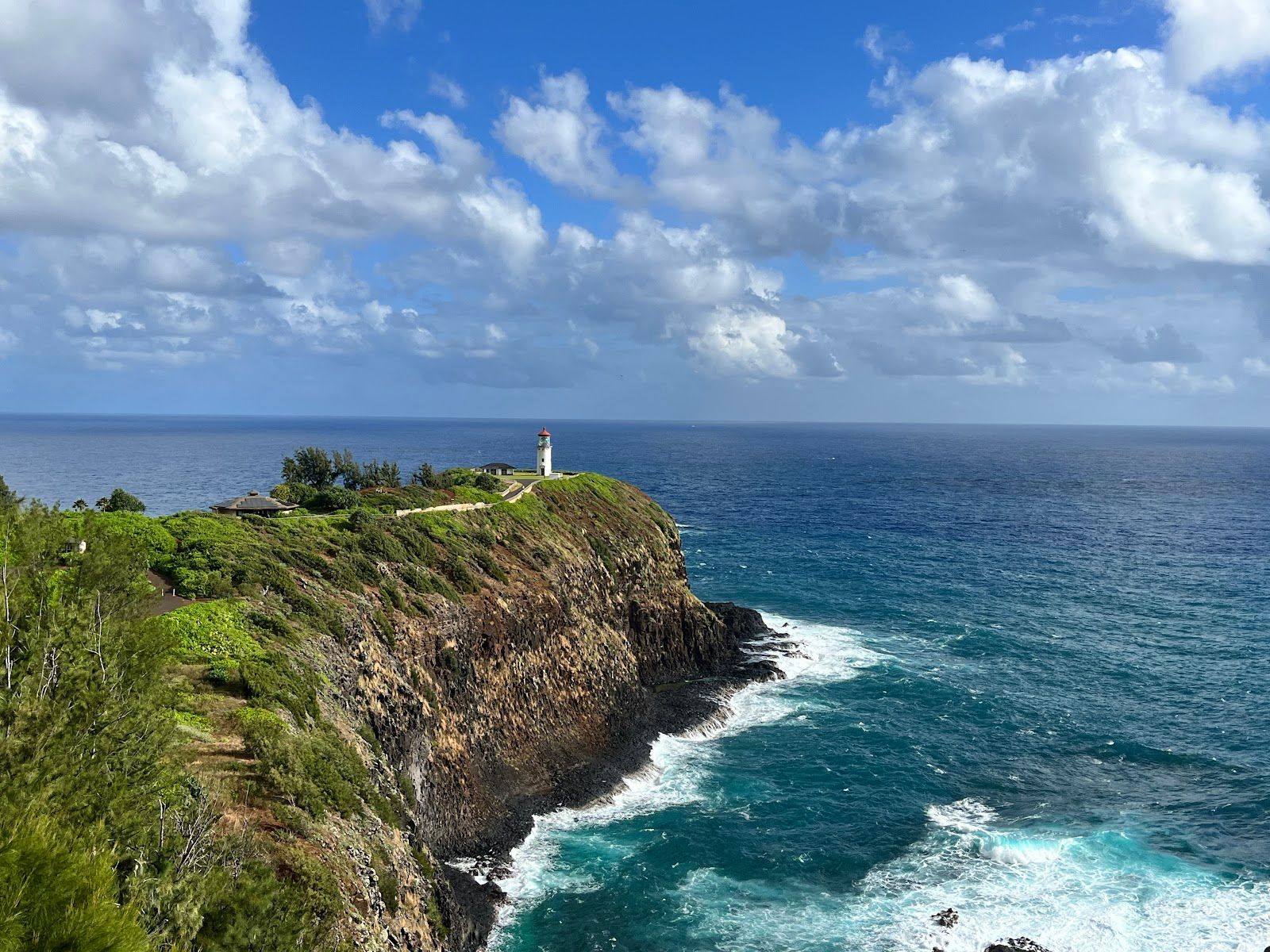
- Historic 1913 Daniel K. Inouye Kīlauea Point Lighthouse overlook
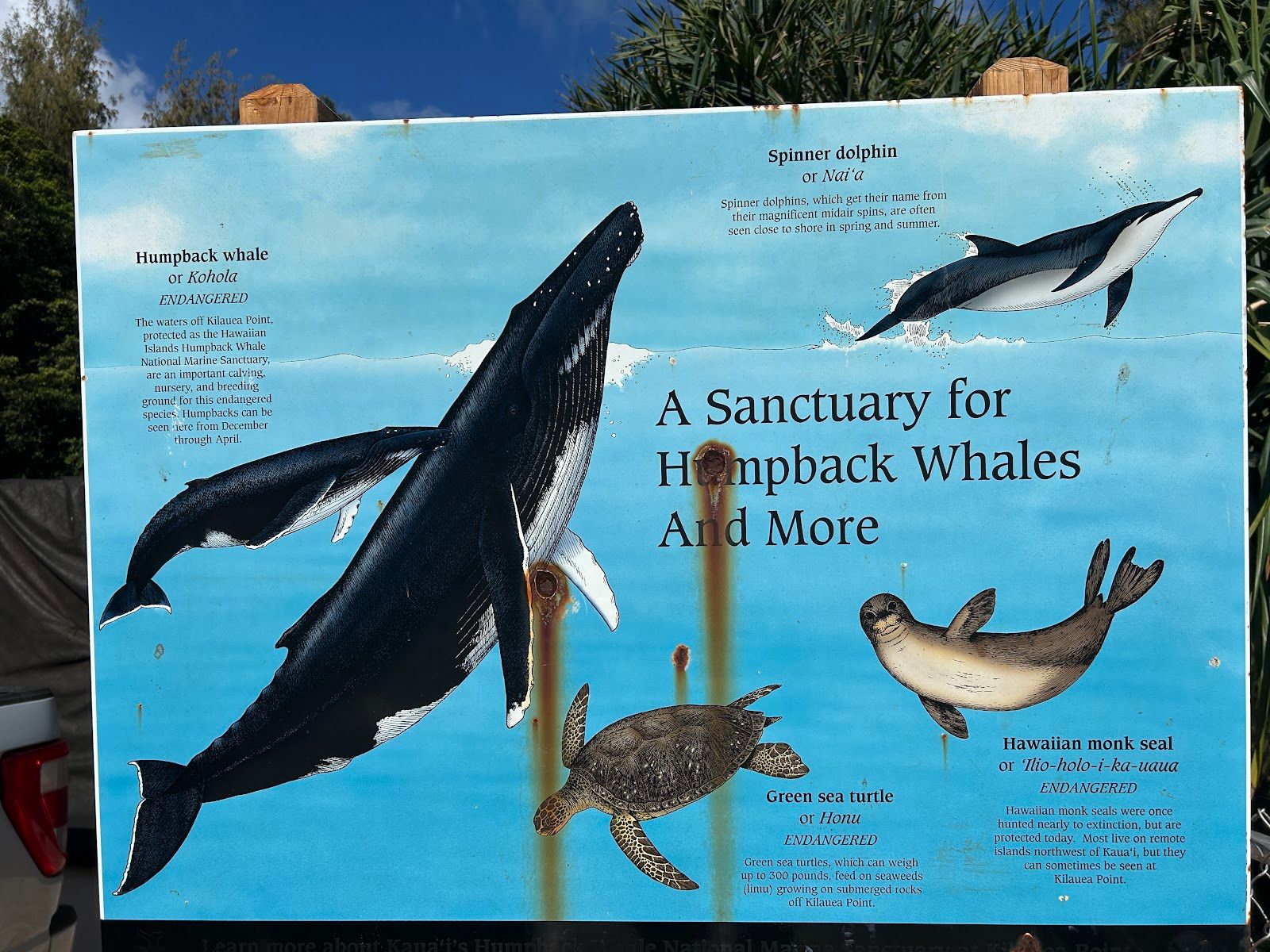
- Seasonal humpback whale spotting (Dec–Apr)
- Near-guaranteed nēnē goose sightings
Kīlauea Point National Wildlife Refuge is one of Kauaʻi’s most rewarding short stops: a protected North Shore headland where dramatic cliff-top scenery shares the stage with seabirds, native nēnē, and a historic lighthouse at the island’s northern tip. It fits especially well into a Kīlauea or Princeville day when the goal is a memorable, low-effort outing that still feels distinctly tied to place. Rather than a long hike or a beach day, this is a compact scenic visit with real ecological significance.
Clifftop wildlife, not just a viewpoint
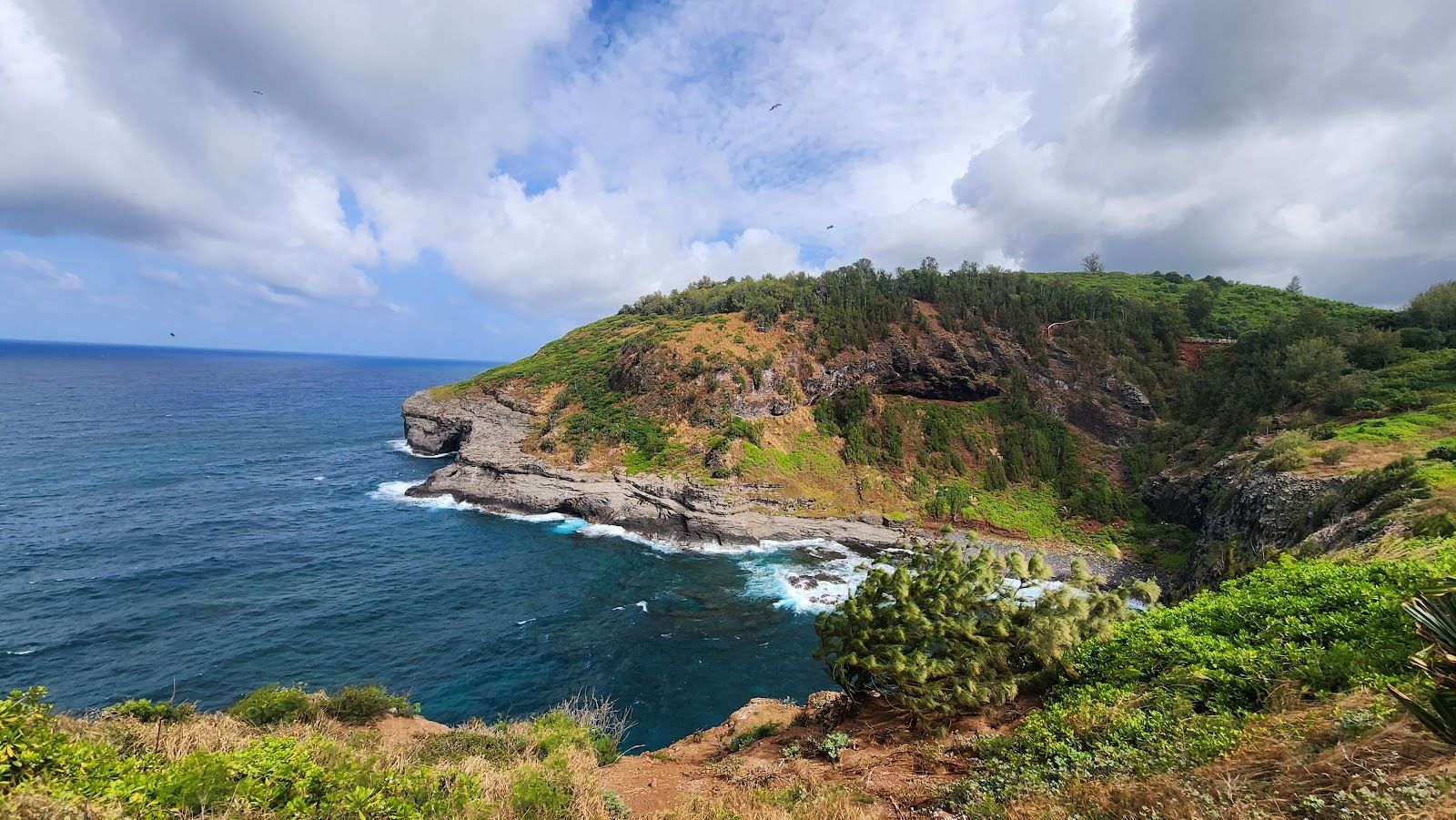
The refuge is built around a paved path that leads to broad ocean overlooks above a 180-foot bluff. The walk is short and generally easy, but the setting is what makes it stand out: seabirds nest close by, the surf and trade winds give the point a constant sense of movement, and the views open wide over the North Shore coastline. Red-footed boobies, Laysan albatross, and great frigatebirds are part of the refuge’s character, while nēnē often wander the grounds.
Winter adds another layer. From roughly November through April, the point is a strong whale-watching perch, and the waters below can also hold spinner dolphins, green sea turtles, and Hawaiian monk seals. The experience is strongest for travelers who appreciate watching wildlife from land rather than chasing a dramatic “activity” in the usual sense.
The lighthouse is the landmark, but the interior is off-limits
The Daniel K. Inouye Kīlauea Point Lighthouse remains the visual anchor of the refuge, and it gives the visit a strong sense of history. Built in 1913, it is best understood as part of the landscape rather than a tour stop: the exterior can be viewed, but interior tours are not operating. A small visitor center adds context with exhibits and a nature store, and docents or volunteers are often on hand to help identify birds or explain what is visible offshore.
That makes this a better stop for travelers who enjoy interpretation and scenery than for anyone expecting a full historic-house or lighthouse-climb experience.
Reservations, timing, and the main tradeoffs
This is not a casual walk-up stop. Timed-entry reservations are required for visitors age 16 and older, and the refuge follows a limited weekly schedule with closures on Sundays through Tuesdays and major federal holidays. Each entry window is short, so planning matters; lingering beyond the reservation window means booking consecutive slots.
The setting is exposed, with little shade and plenty of wind, and the cliff edges are unfenced in places, so families should keep children close. The paved path is accessible and there is assistance available for visitors who need it, but the refuge is still a structured, managed wildlife site rather than an open-ended scenic overlook. Food is not part of the experience, and the rules are strict about staying on trail, keeping distance from animals, and leaving pets at home.
Best for travelers who want a high-yield North Shore stop
Kīlauea Point National Wildlife Refuge is an excellent fit for birdwatchers, photographers, and anyone who wants a short, meaningful nature stop with strong scenery and minimal physical effort. It pairs well with the Kīlauea area’s slower, more scenic side of the island and works especially well as a morning or early-afternoon anchor before or after other North Shore plans.
Travelers looking for a long hike, a flexible drop-in viewpoint, or a lighthouse interior tour will likely prefer something else. But for a compact visit with real substance, this is one of Kauaʻi’s most distinctive scenic spots.