
Limahuli Garden & Preserve, National Tropical Botanical Garden
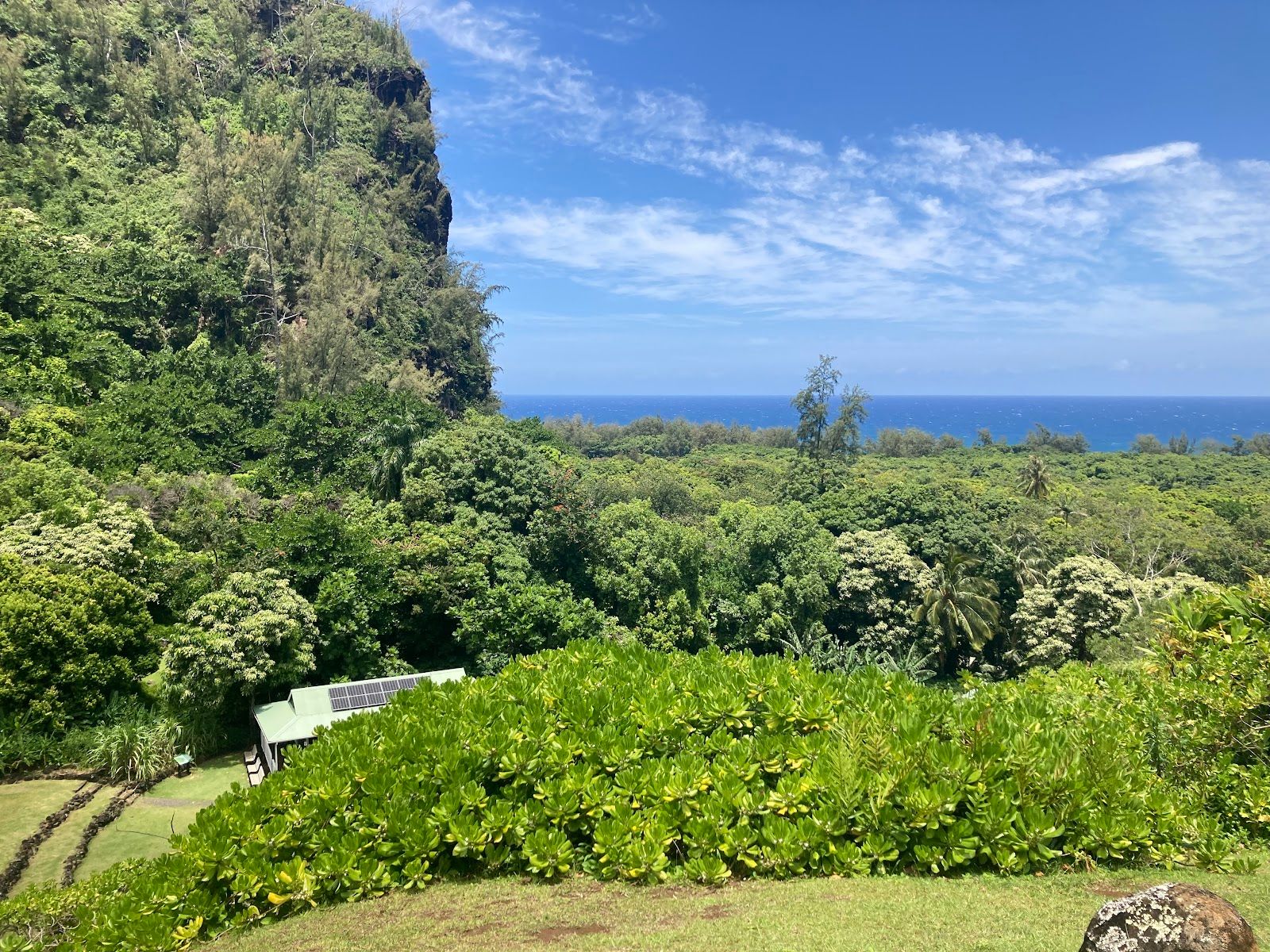
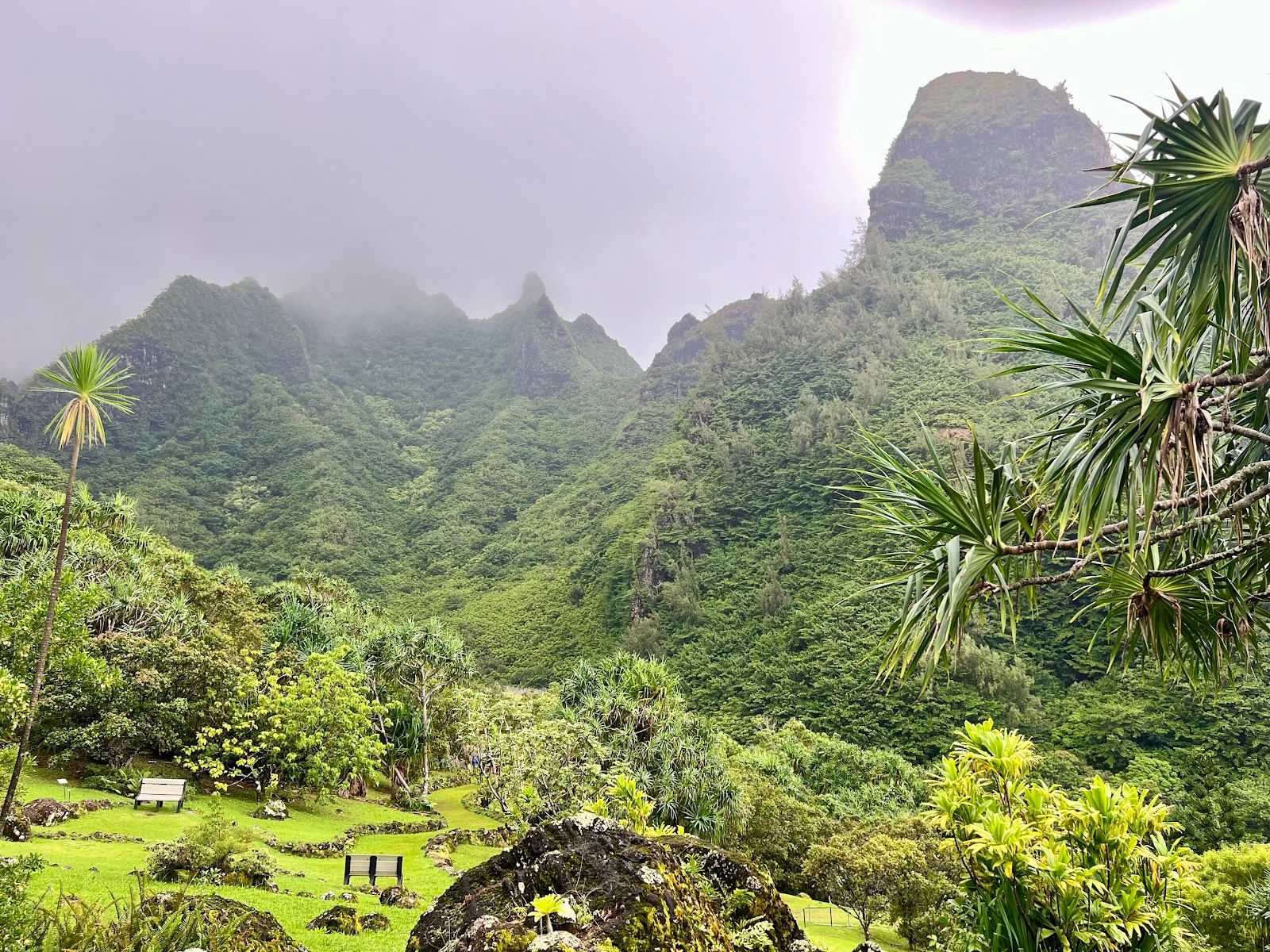
Limahuli Garden & Preserve is a 17-acre botanical garden featuring a walking loop through ancient taro terraces, rare native palms, and stunning views of Makana and the Nā Pali Coast. It offers both self-guided and docent-led tours that highlight Hawaiian culture, ethnobotany, and conservation.
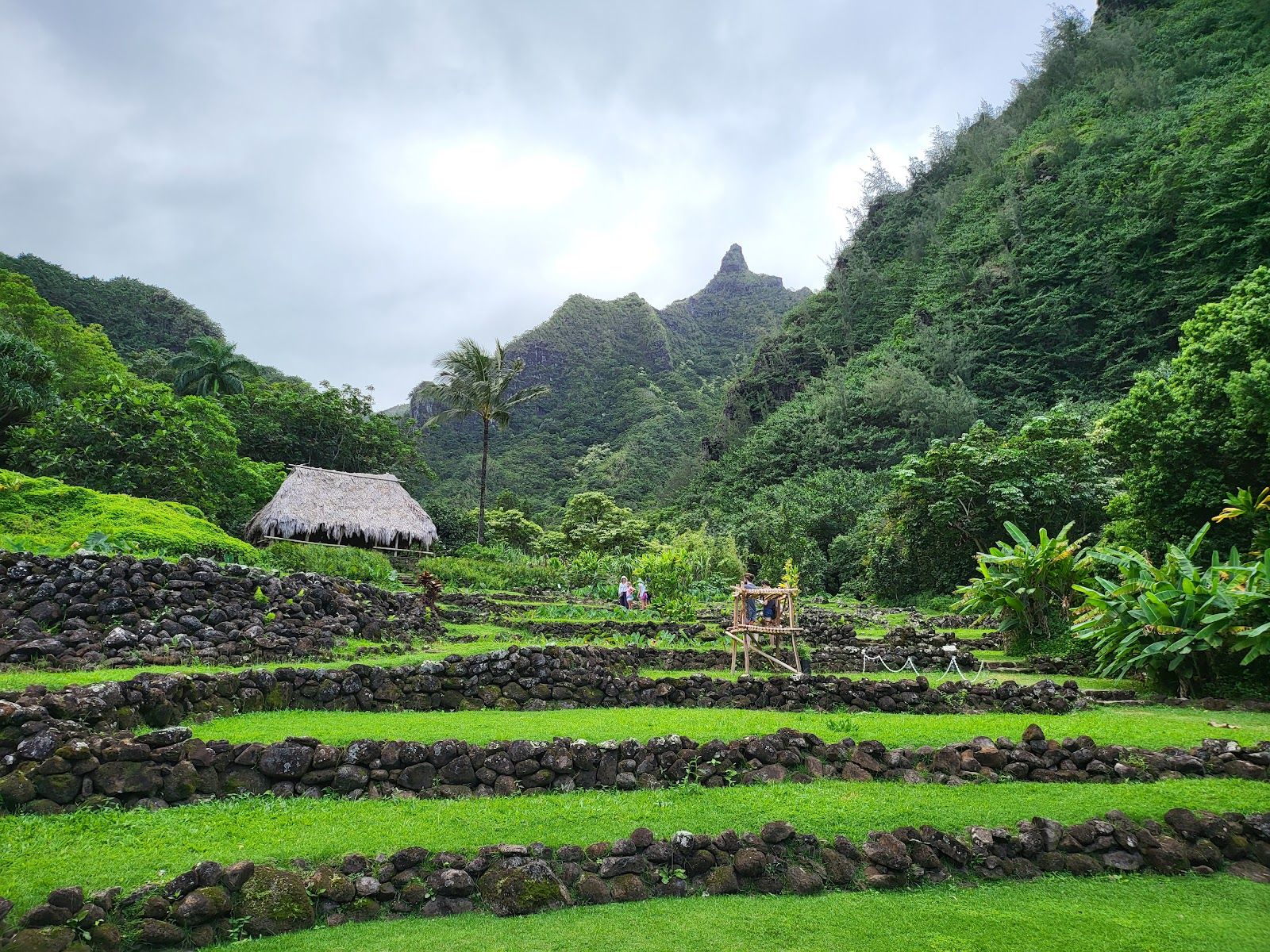
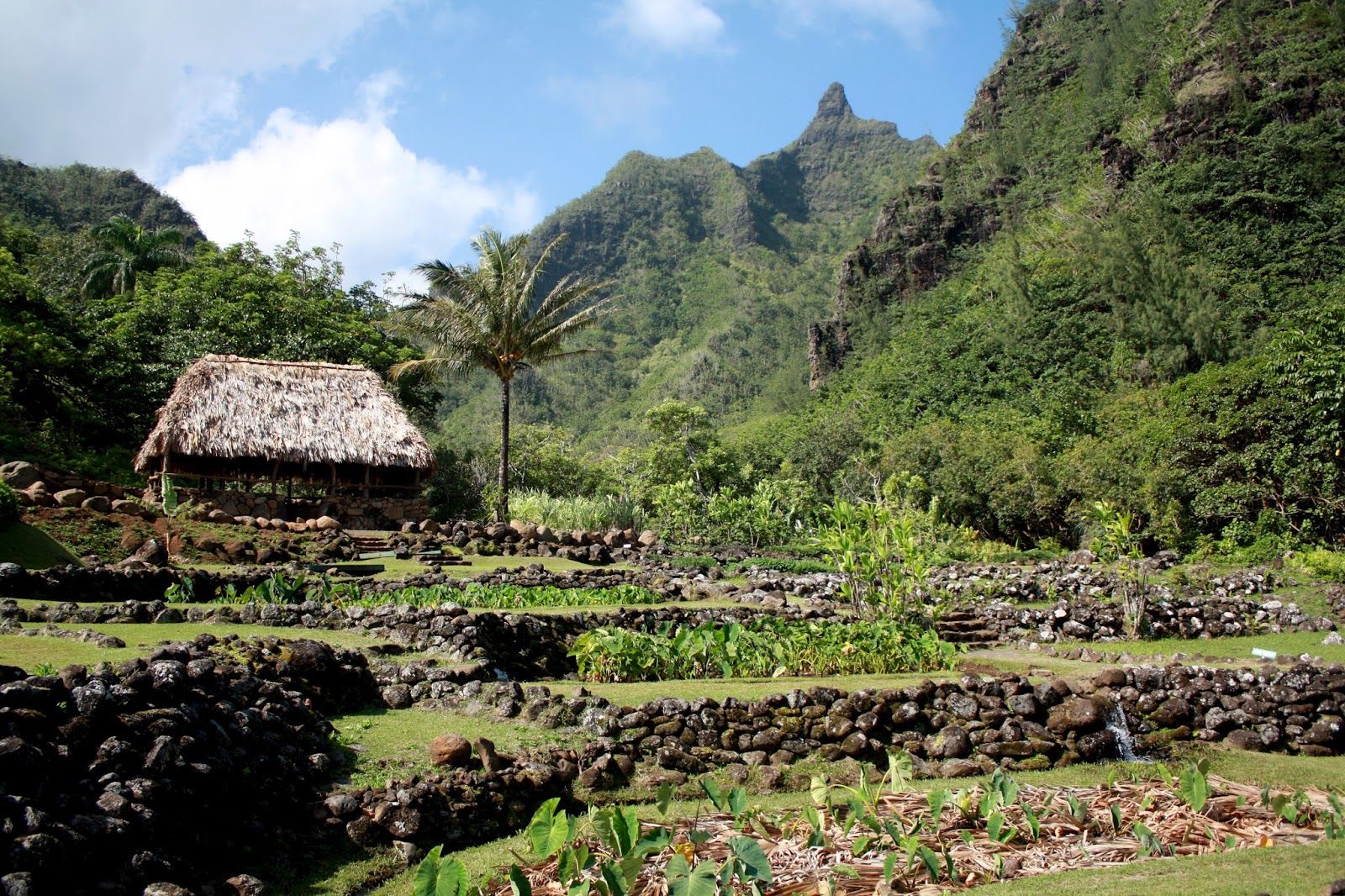
- Restored 700-year-old loʻi kalo terraces
- Rare native palms
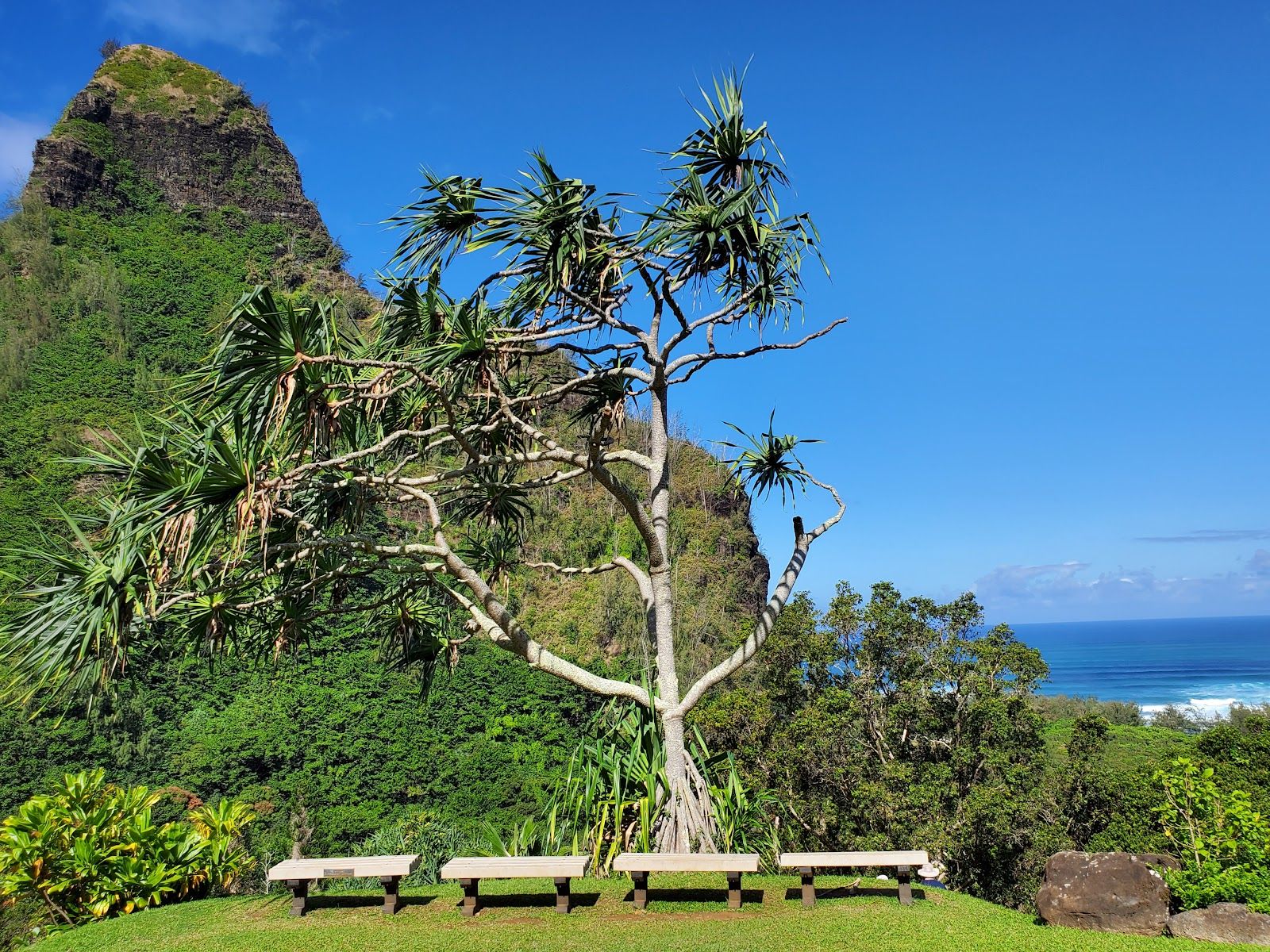
- Sweeping overlooks of Makana and the Nā Pali Coast
- Intimate docent-led tours with Hawaiian creation chants
Limahuli Garden & Preserve, National Tropical Botanical Garden, is one of the most distinctive stops on Kauaʻi’s North Shore: part botanical garden, part cultural landscape, and part conservation preserve. Set in Hāʻena beneath the dramatic backdrop of Makana, it stands out for travelers who want more than a pretty garden walk. The experience combines native Hawaiian plants, restored taro terraces, and a valley setting shaped by centuries of land use, making it an easy fit for a North Shore day that already includes Hāʻena or nearby Hanalei.
The walk through Limahuli Valley
The main visit is a self-guided loop trail that climbs through roughly 17 acres of garden within a much larger preserve. Expect natural footing, stone steps, and a route that gains elevation as it works uphill from the valley floor. The pace is relaxed, but it is not a flat stroll; the terrain gives the place its character as much as the plantings do.
Numbered markers and a guidebook help explain what is in front of you, from the canoe plants brought by Polynesian voyagers to native Hawaiian species and the restored loʻi kalo near the bottom of the valley. The upper viewpoints open out toward the ocean and Makana Mountain, with the landscape doing as much of the storytelling as the labels. It is a rare place where botany, archaeology, and scenery all carry equal weight.
A docent-led guided tour is also offered on select days for travelers who want deeper context. That option is a better match for visitors especially interested in ethnobotany, restoration work, and the cultural logic of the ahupuaʻa system.
Planning it into a North Shore day
Limahuli works best as a half-day anchor rather than a quick drop-in. The walk itself usually takes about 1.5 to 2.5 hours at an unhurried pace, and that timing fits naturally with a larger North Shore itinerary built around Hāʻena, Hanalei, or a reservation-based day near the end of the road.
Reservations are required, and access is part of the planning here. On-site parking is very limited and tends to book out well ahead of time, so travelers should not treat it like an easy last-minute stop. The North Shore Shuttle is the cleaner option for many visitors, especially when the rest of the day is already traffic-heavy. Bicycle access is another useful alternative.
The garden’s location just before Hāʻena State Park makes it especially convenient for travelers who are already heading toward the far North Shore. It pairs well with an early garden visit followed by beach time, lunch in Hanalei, or another reserved activity nearby.
Important tradeoffs
This is not the right botanical garden for everyone. The trail’s stairs and uneven surfaces make it a poor choice for wheelchairs, strollers, and anyone who needs a truly easy, level walk. Closed-toe shoes are the sensible choice, and rain gear is worth packing because the North Shore can be wet and weather disruptions are part of the reality here.
There is also an important cultural side to the visit. Limahuli is a living preserve, not just a landscaped attraction, so staying on designated paths and respecting terraces and plantings matters. That sense of stewardship is central to the experience. There is no café on site, so visitors should plan food and hydration around the rest of the day.
Best fit
Limahuli Garden & Preserve is ideal for travelers who like their scenery with substance: native plants, Hawaiian history, conservation, and a walk that feels rooted in place. It is especially rewarding for moderately fit visitors who want a meaningful North Shore stop that goes beyond beaches and overlooks.
Travelers looking for a casual, manicured garden stroll should consider other options. Limahuli is more rugged, more educational, and more tied to the land itself, which is exactly why it leaves such a strong impression.