

Na Pali-Kona Forest Reserve
Explore a network of challenging high-elevation rainforest and ridge hikes within the 23,000-acre Nā Pali-Kona Forest Reserve, featuring stunning views of Hanalei Valley and dramatic sea cliffs. This remote wilderness offers rare native birds and unique montane wetlands for experienced hikers.
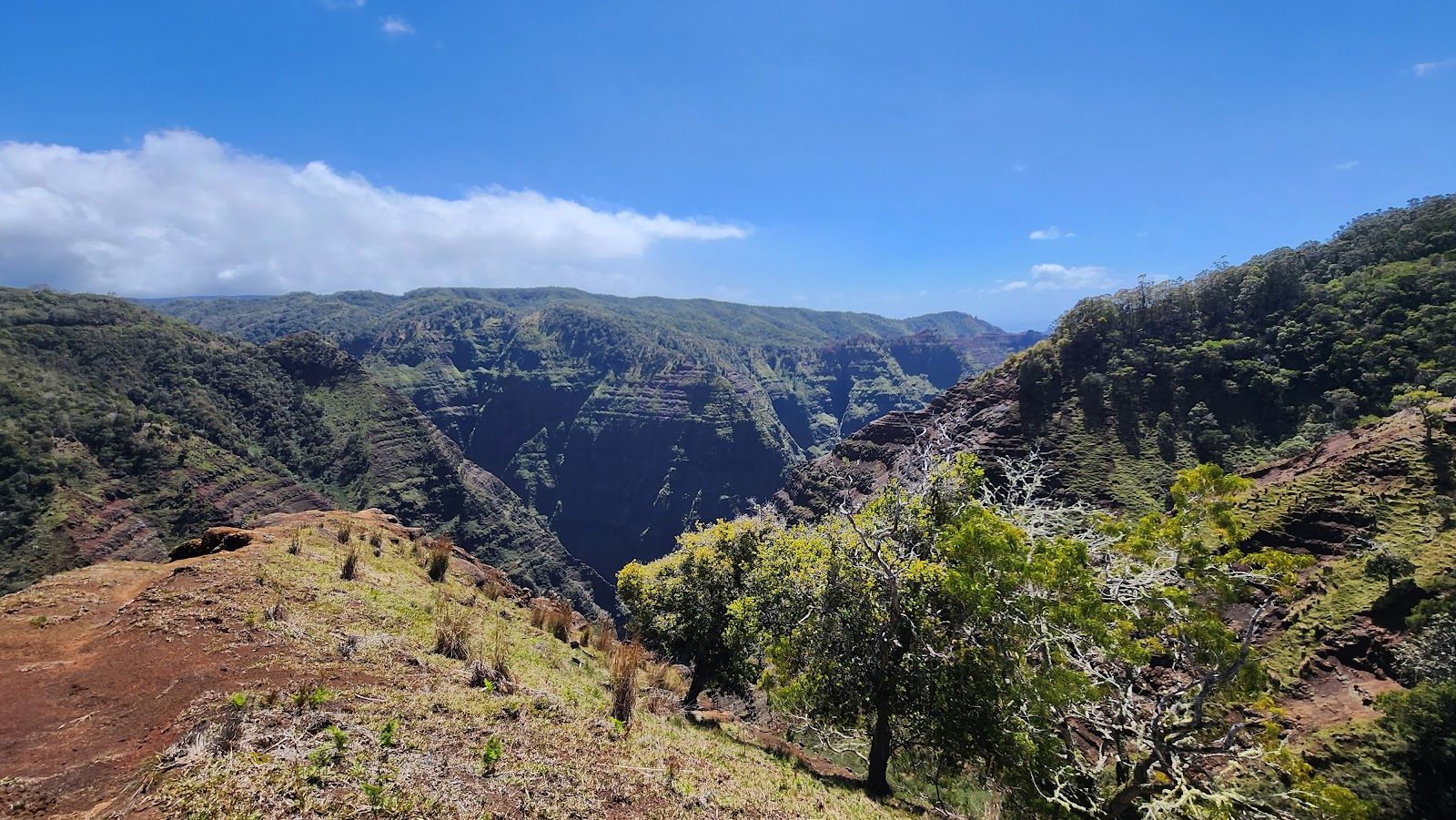
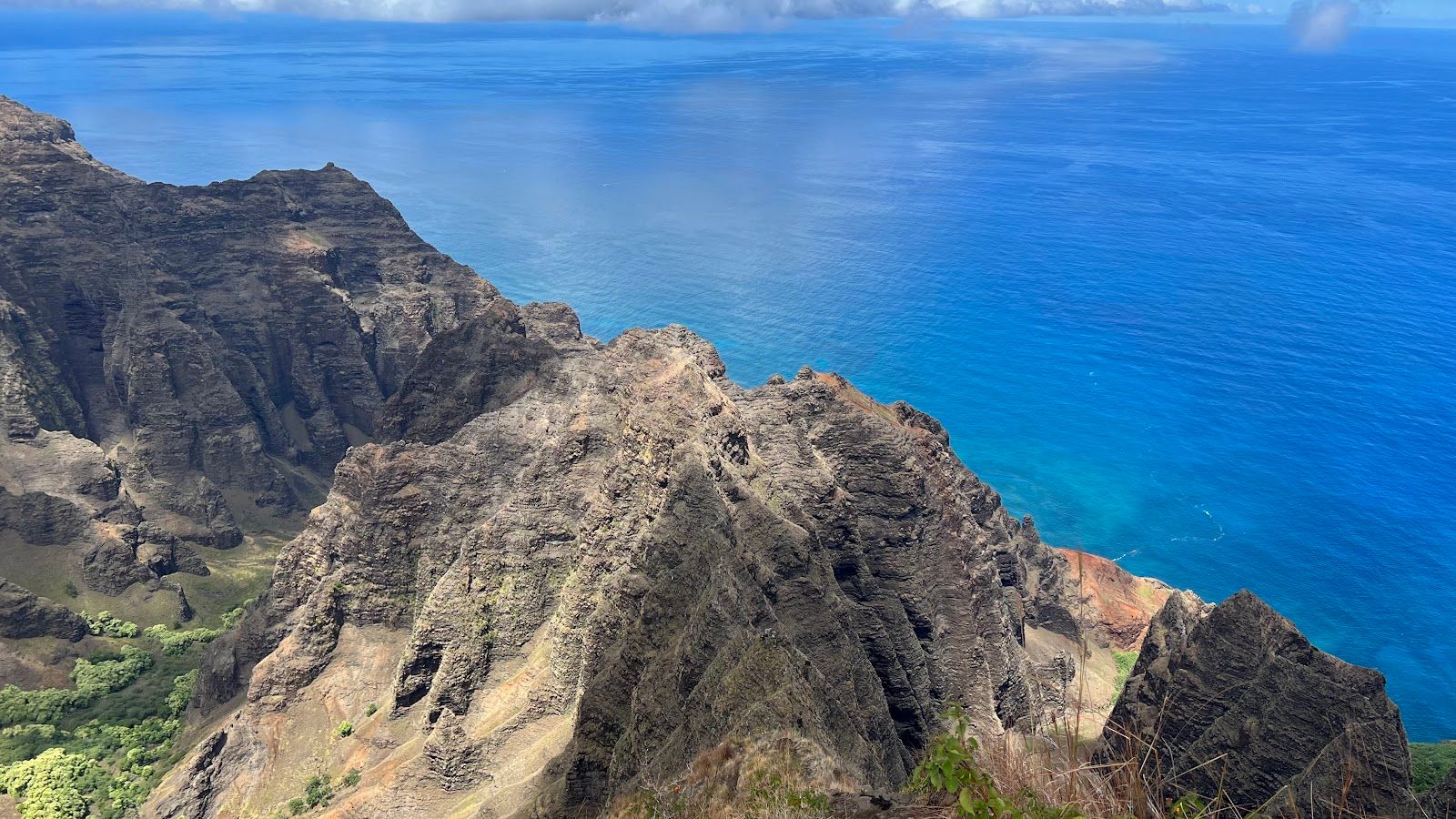
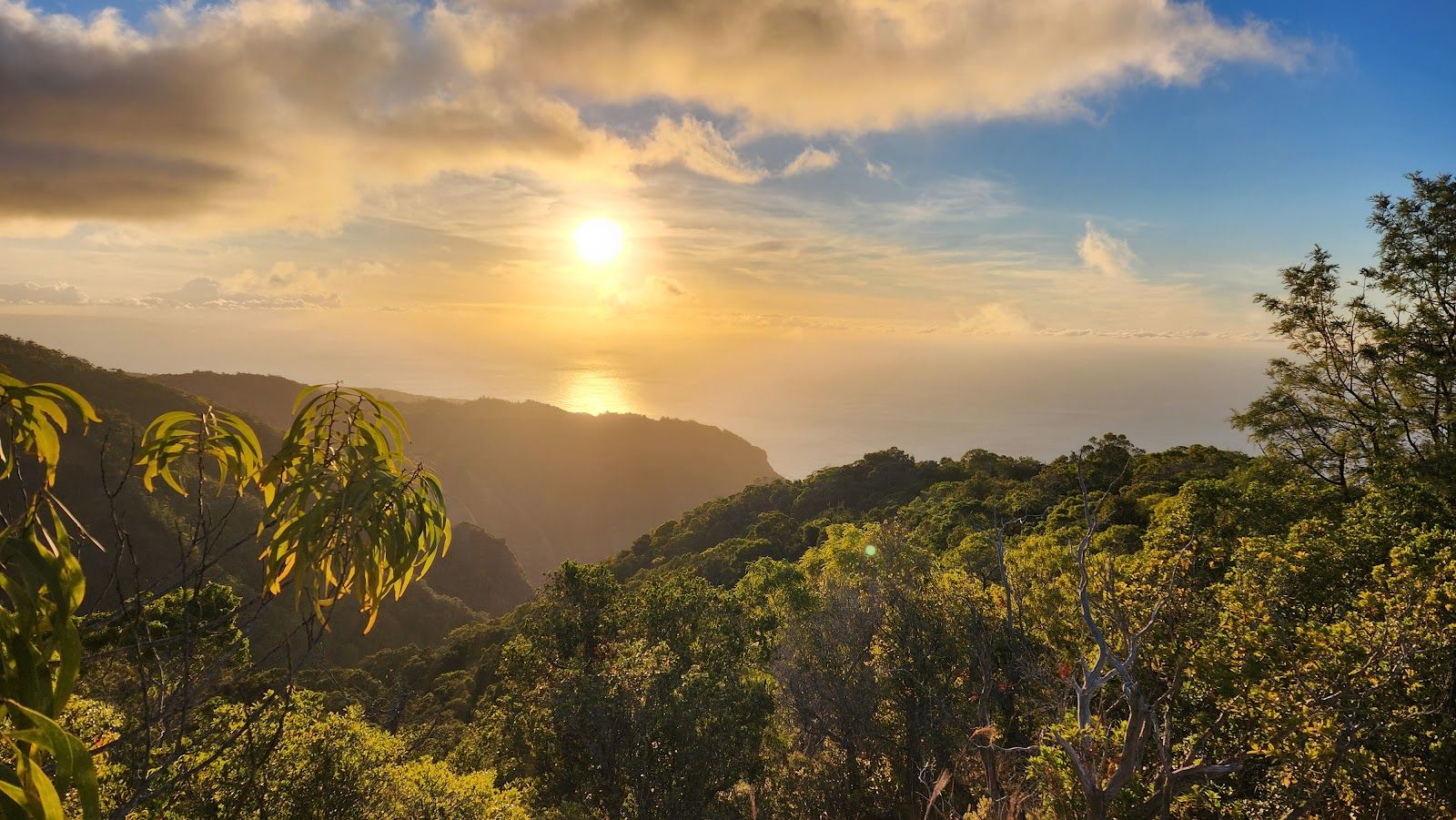
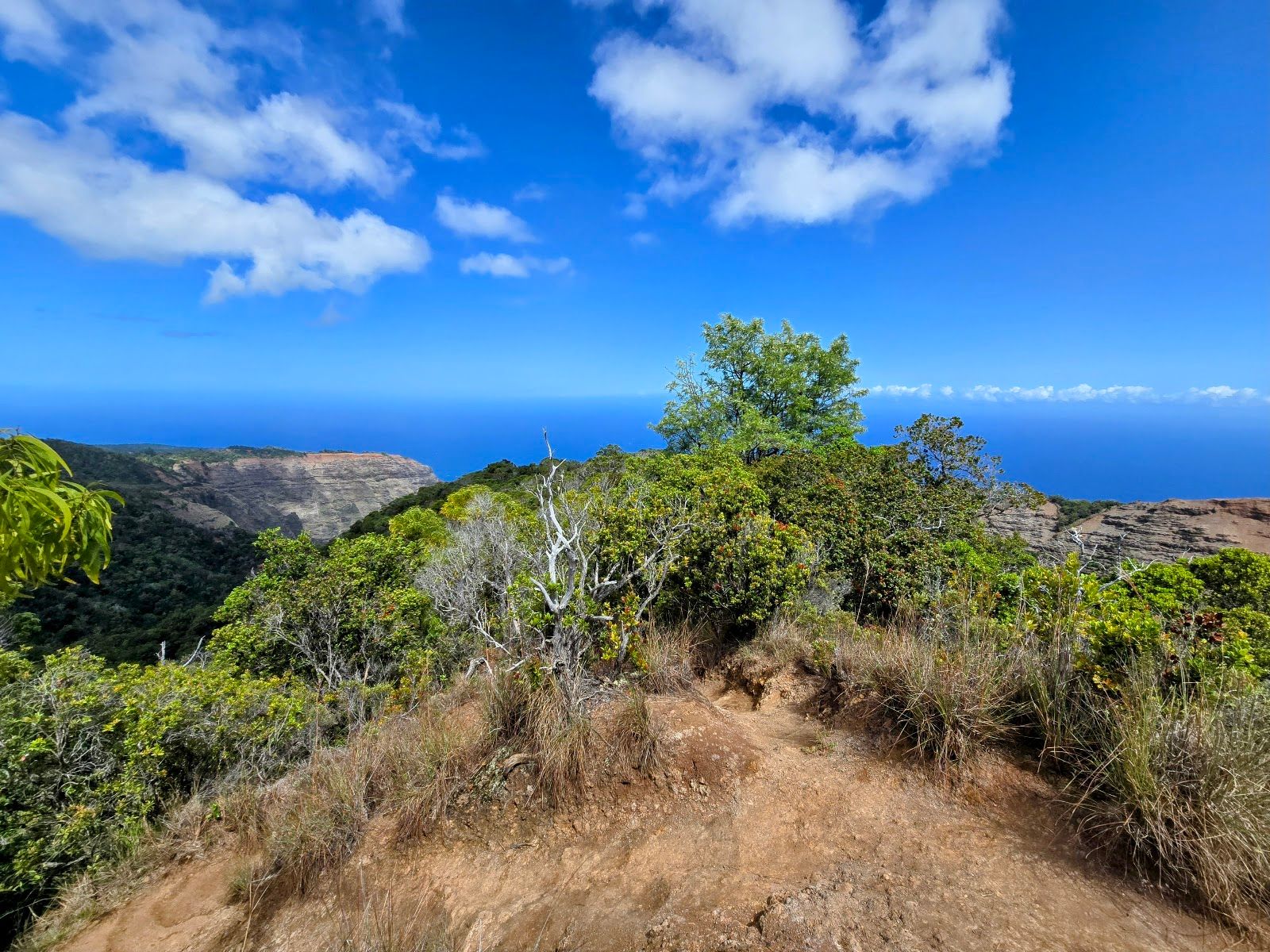
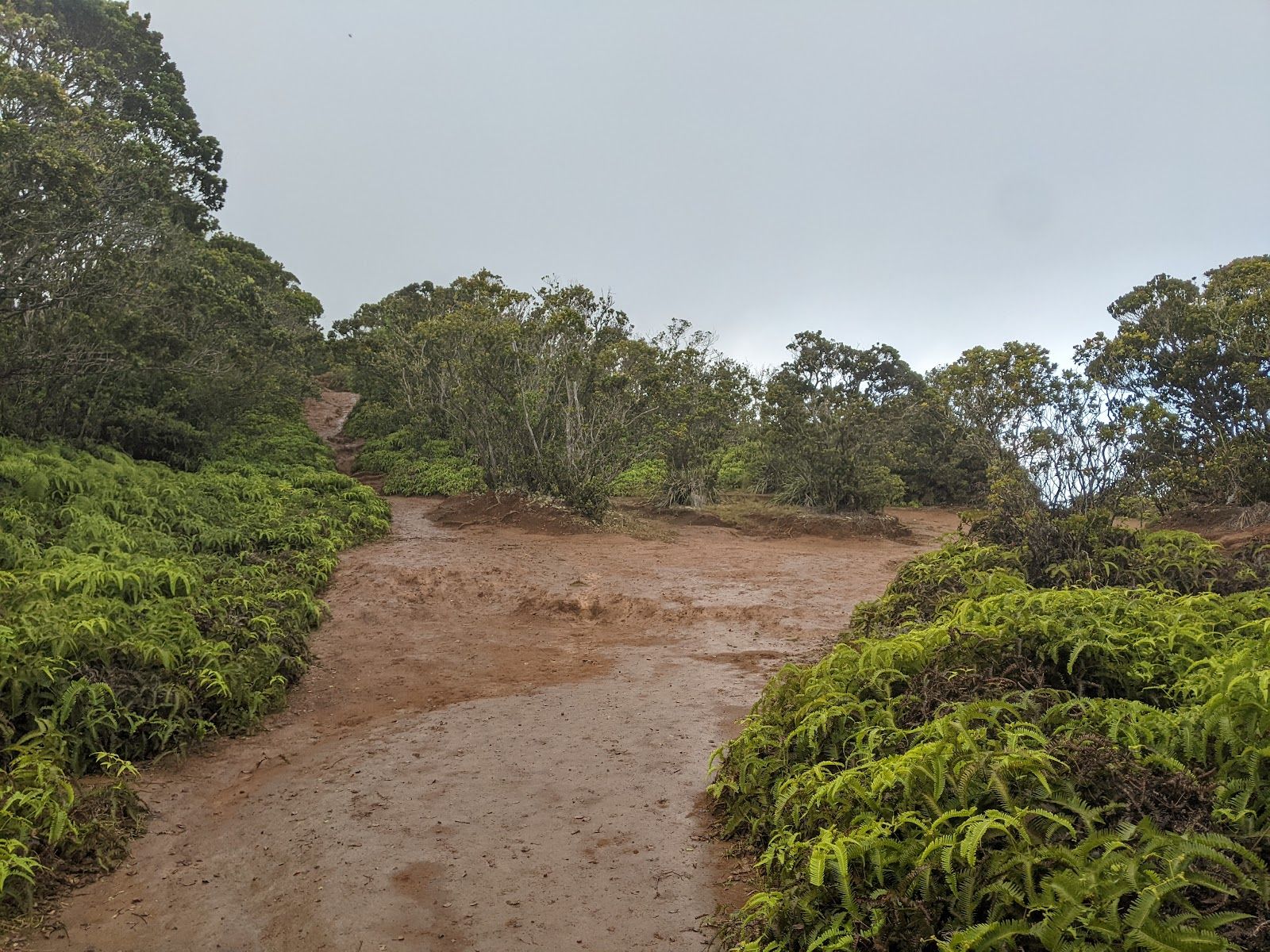
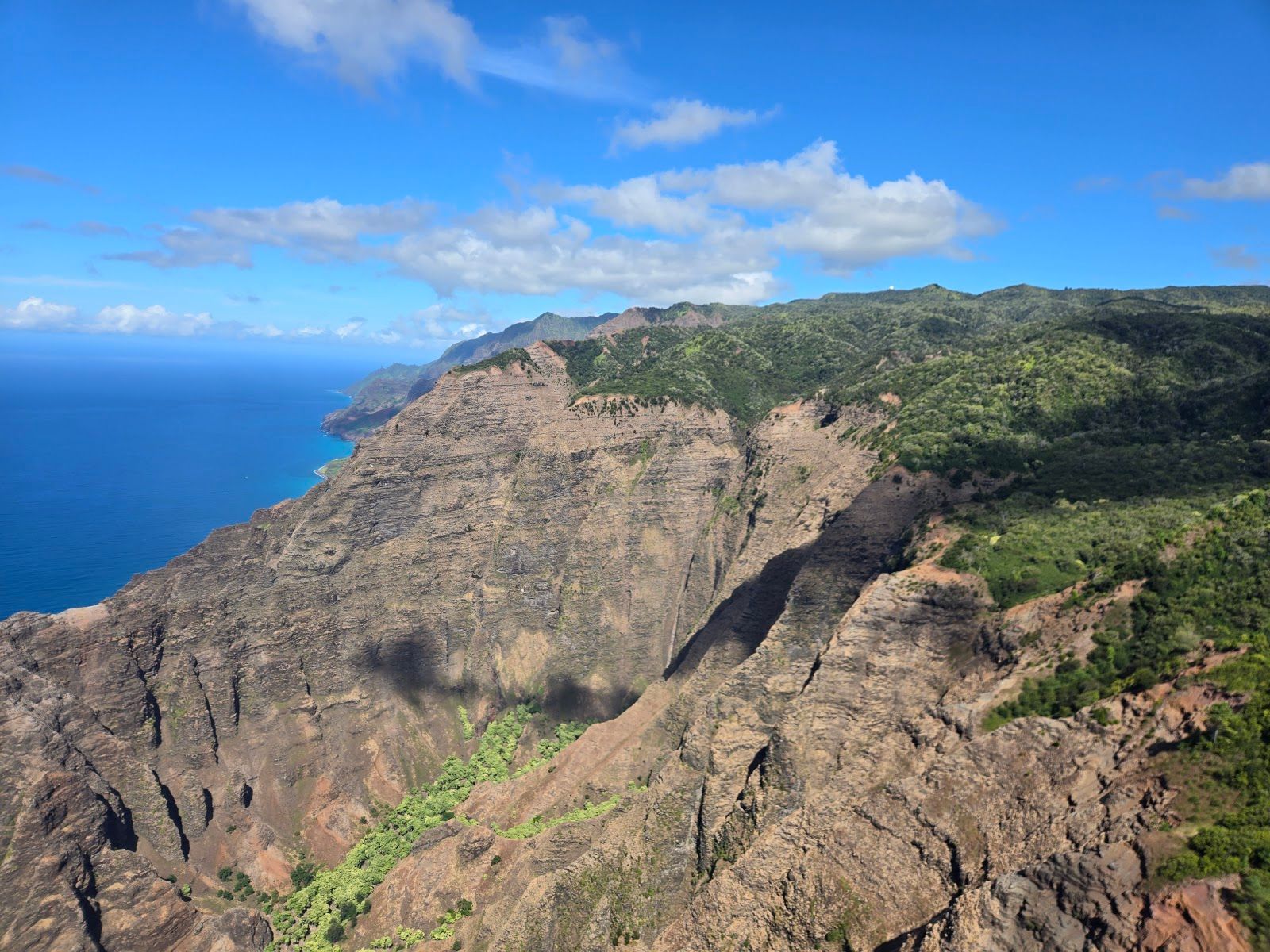
- High-elevation rainforest and ridge hikes
- Alaka‘i Swamp boardwalk through montane wetlands
- Panoramic views from Awa‘awapuhi Trail above Nā Pali sea cliffs
- Rare native honeycreeper bird sightings
Nā Pali-Kona Forest Reserve is a rugged west-side Kauaʻi hiking destination, not a casual scenic stop. It sits in the high country above Waimea Canyon and Kōkeʻe, where native wet forest, misty bog, and cliff-edge ridge terrain create some of the island’s most dramatic backcountry walking. For travelers who want more than a roadside lookout, it offers a serious wilderness outing with big scenery, cooler temperatures, and a strong sense of remoteness.
Ridge hikes that trade effort for sweeping Nā Pali views
The reserve is best known for the Awaʻawapuhi and Nuʻalolo trails, two steep hikes that drop into the landscape before climbing back out again. That “down first, suffer later” profile is part of the experience. The reward comes in the form of broad, vertiginous views over the Nā Pali Coast, where ridges fall away toward the ocean in a way that feels much more expansive than a standard canyon overlook.
These are not easy walks. The return climb is the hard part, and the trails can be muddy, rooty, and slick even in otherwise decent weather. At viewpoints, drop-offs are severe and unguarded, so this is a place where staying well back from the edge matters. Good footwear and a realistic pace are essential.
The Alakaʻi Swamp: a very different kind of Kauaʻi hike
The Alakaʻi Swamp Trail offers a contrasting experience entirely. Instead of open ridge drama, it leads into one of the world’s highest wetlands, a rare high-elevation ecosystem that feels cool, damp, and isolated. Much of the route runs on boardwalk to protect the fragile bog below, though those sections can still be broken or slippery, especially after rain.
The hike’s destination, Kilohana Lookout, can deliver a striking view into Hanalei Valley when the weather cooperates. Fog often moves in quickly, though, which is part of the tradeoff here. This is the kind of hike where the atmosphere itself is part of the appeal: wet forest, low clouds, and the sense of moving through a protected ecological world rather than just to a viewpoint.
The reserve is also a strong choice for birders. Native Hawaiian forest birds such as ʻapapane, ʻamakihi, and Kauaʻi ʻelepaio make this one of the island’s more rewarding inland wildlife settings, especially for visitors who appreciate quiet, observant hiking over big crowds and polished facilities.
How to plan the day from Kōkeʻe
Access to the reserve runs through Highway 550 and Kōkeʻe State Park, which makes it an easy add-on to a Waimea Canyon day but not something to squeeze in casually. The trailheads are remote, and there are no facilities at the reserve itself, so water, restrooms, and any last-minute supplies are best handled earlier in the trip. The Kōkeʻe area also sits noticeably cooler than the coast, which is welcome on the climb but worth dressing for.
This is best treated as a half-day or full-day hiking block rather than a quick stop. Early starts help with both trailhead parking and the best odds of clear views before clouds build. Awaʻawapuhi, in particular, is the sort of trail that benefits from an early launch and a conservative turnaround plan.
Best fit: serious hikers, birders, and mountain-view seekers
Nā Pali-Kona Forest Reserve is a strong match for fit hikers who want Kauaʻi’s wild side and are comfortable with steep grades, slippery footing, and changing weather. It also suits visitors who are specifically chasing Nā Pali Coast views without taking a boat or helicopter.
It is a poor fit for casual walkers, families with young children, or anyone uneasy on exposed terrain. The reserve rewards preparation more than spontaneity, and that is exactly why it stands out. For the right traveler, it delivers one of Kauaʻi’s most memorable inland outings: remote, challenging, and deeply tied to the island’s high-elevation forest landscape.