

Pihea Trail
A moderate, high-elevation rainforest ridge hike along the rim of Kalalau Valley featuring stunning Nā Pali cliff views and a unique elevated boardwalk through the Alaka‘i Swamp. Ideal for fit hikers and bird watchers seeking scenic panoramas and endemic wildlife.
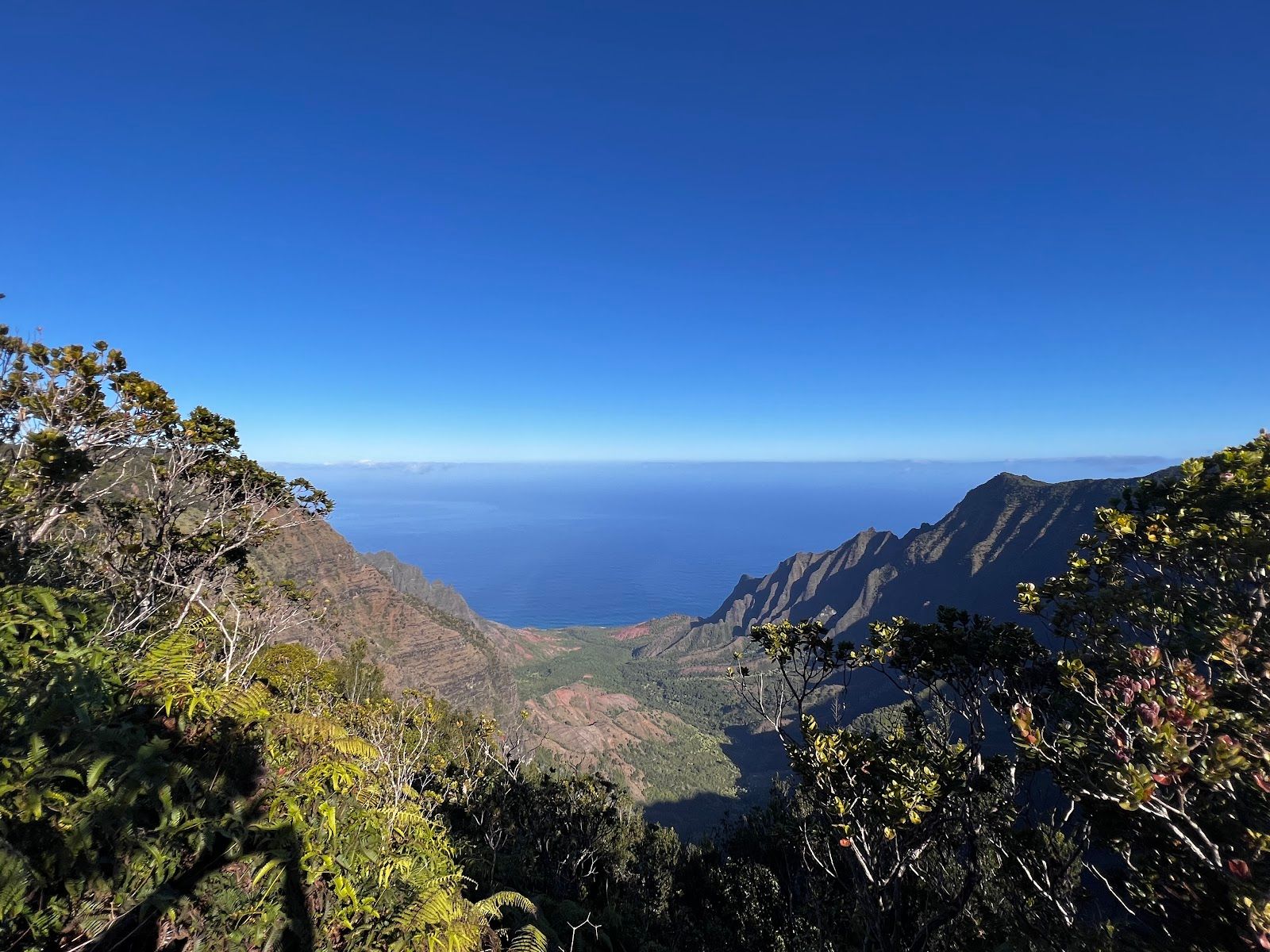
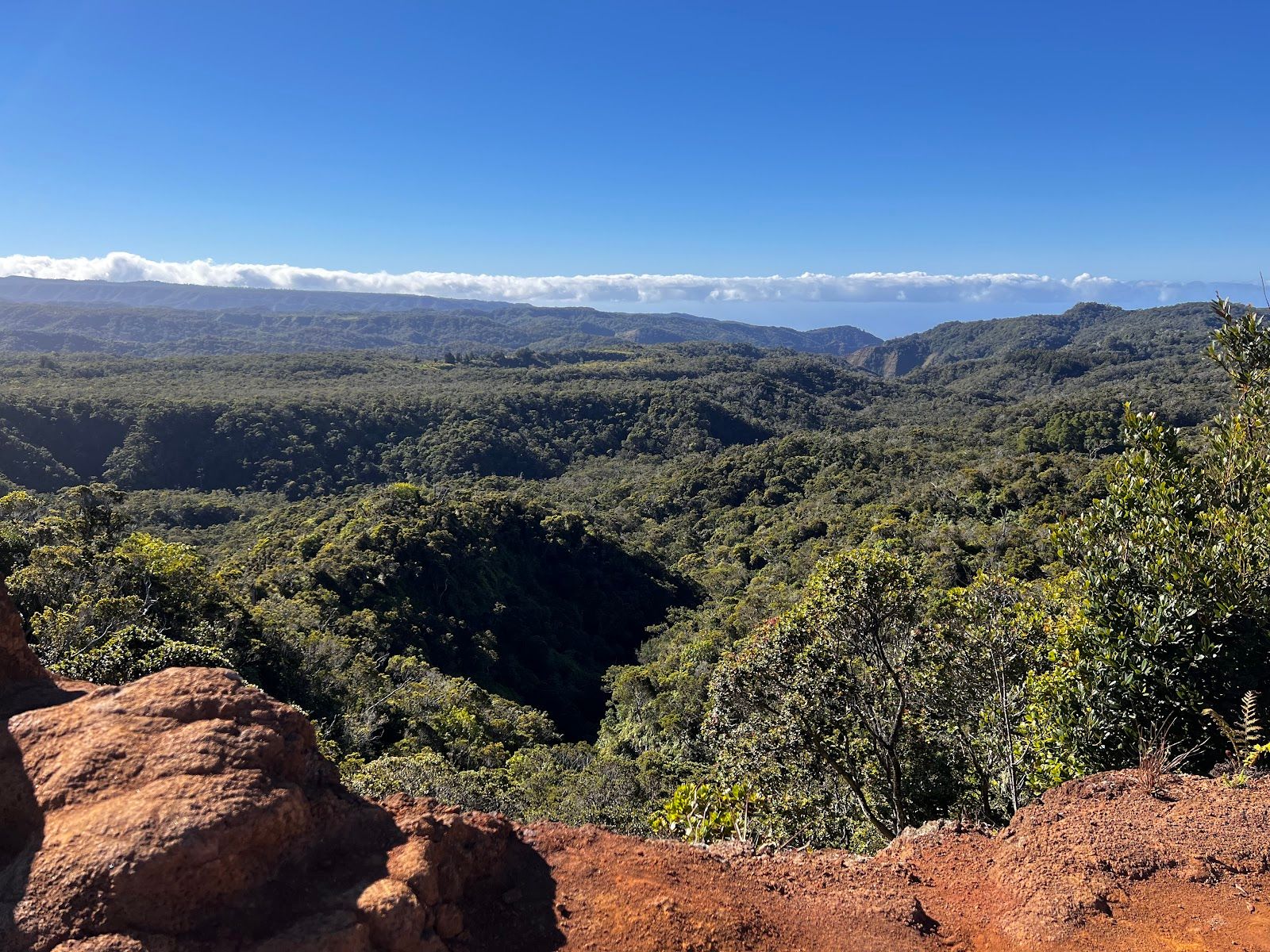
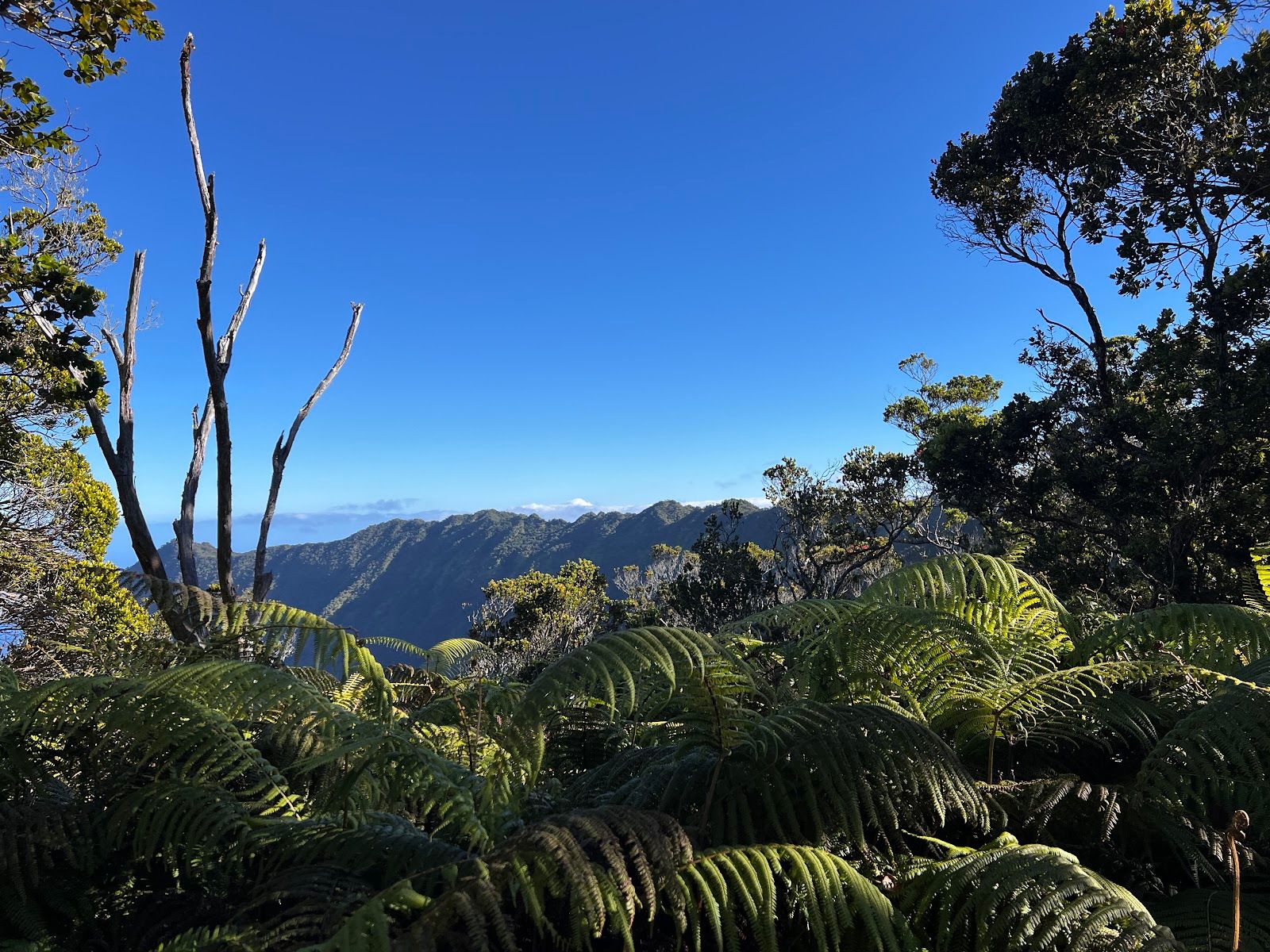
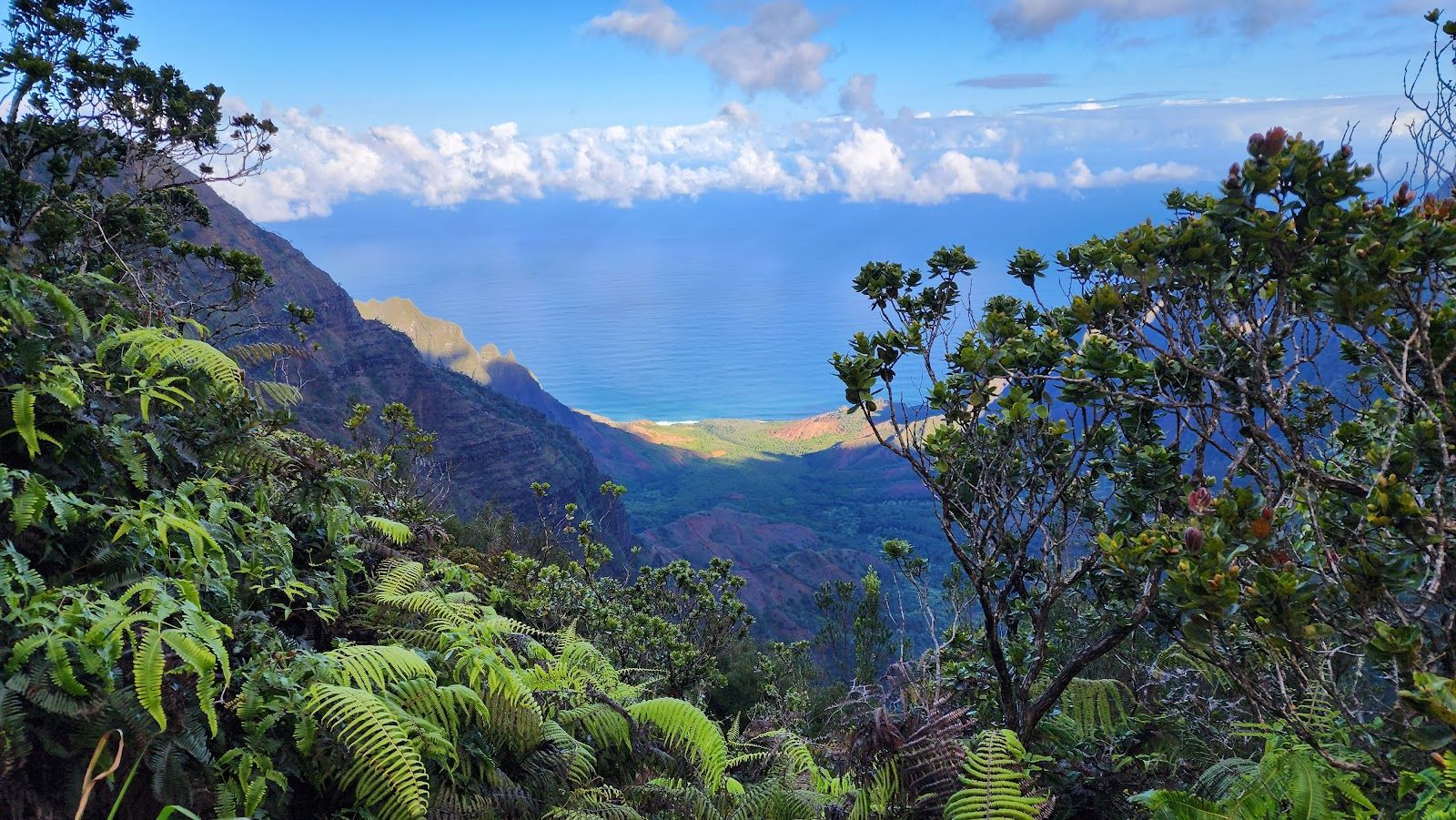
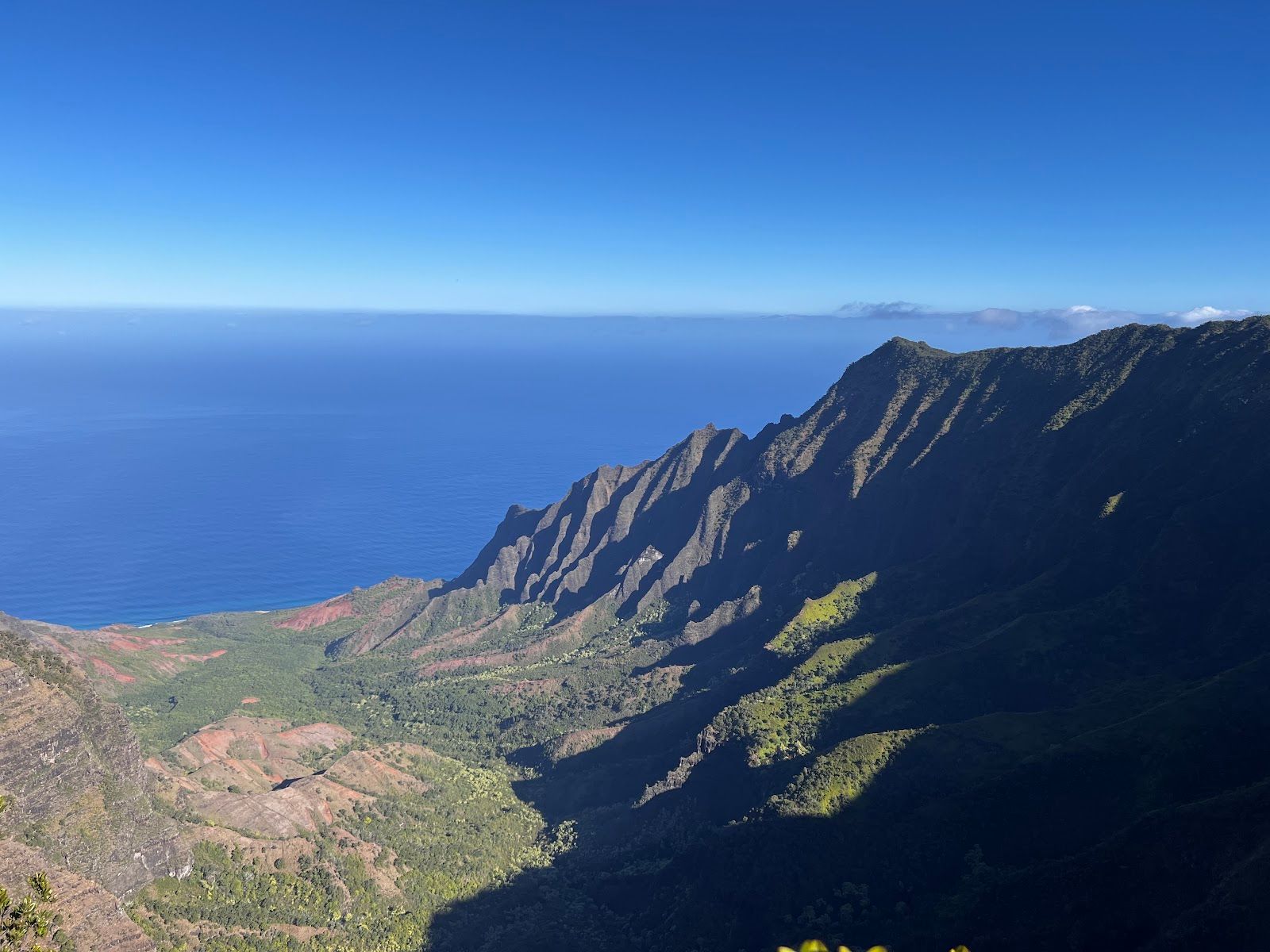
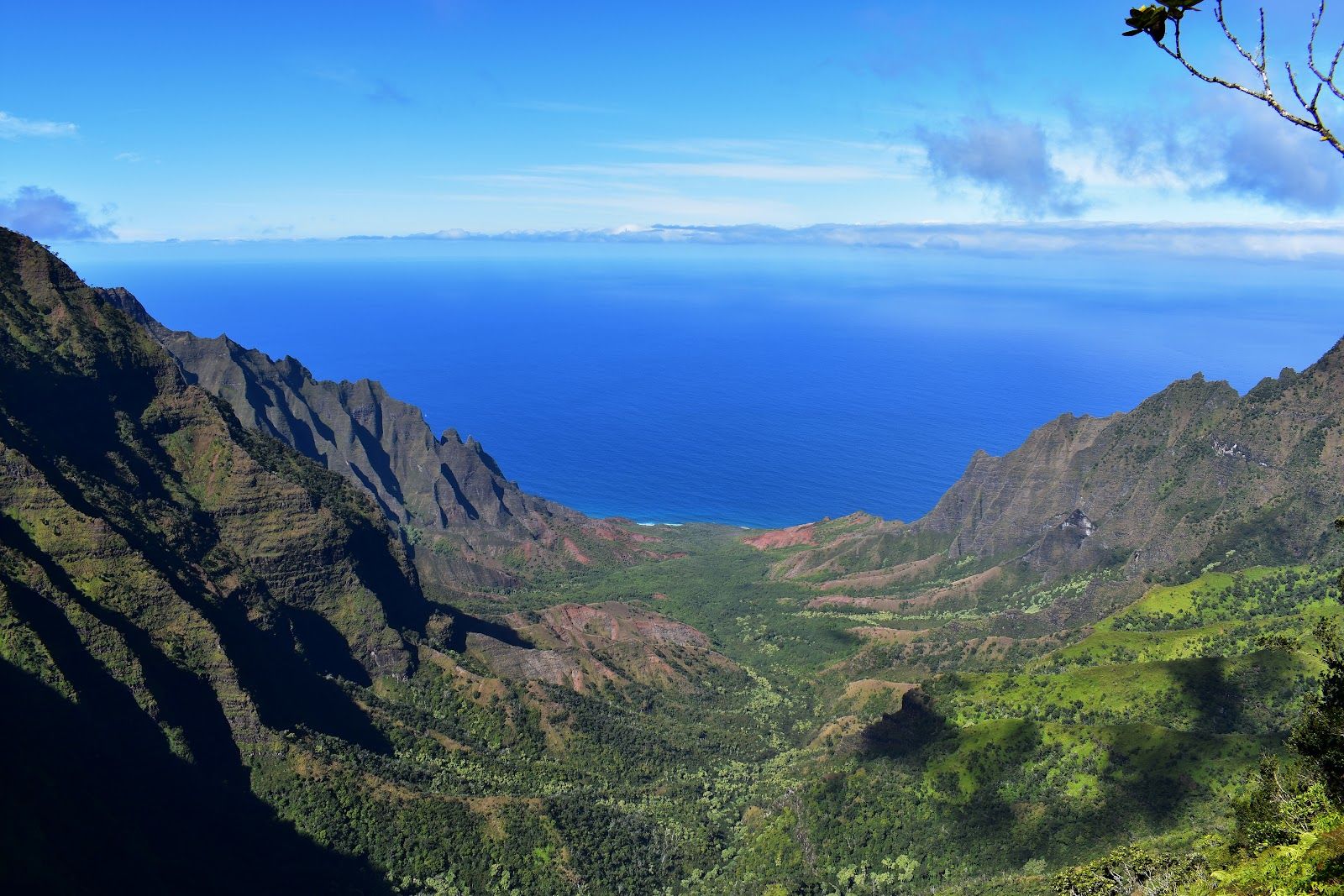
- Postcard-worthy panoramas of Nā Pali cliffs from Pihea Overlook
- Elevated boardwalk through one of the world’s highest swamps
- Opportunities to spot endangered native honeycreepers
- Cooler temperatures and fewer mosquitoes at high elevation
Pihea Trail is one of Kauaʻi’s signature high-country hikes, set in the Waimea Canyon and Kōkeʻe area on the island’s West Side. It combines two of the island’s most compelling landscapes in one route: the rim above the Nā Pali Coast and the misty, elevated rainforest leading toward the Alakaʻi Swamp. That contrast is what makes it stand out. It is not just a viewpoint walk, and it is not just a muddy forest trek; it is a route that shows how quickly Kauaʻi’s terrain can shift from dramatic open cliff country to a cool, cloud-drenched wetland.
The rim walk above Kalalau Valley
The trail begins near Puʻu o Kila Lookout at the end of Waimea Canyon Drive in Kōkeʻe State Park, then follows the northern rim of Kalalau Valley. Early on, the payoff is the classic one: wide, elevated views toward the Nā Pali Coast and down into the valley itself. On a clear morning, this is the section that makes the hike feel essential.
That clarity matters. Clouds often move in quickly at this elevation, so the trail rewards an early start more than many other Kauaʻi hikes. Travelers who want the best chance at open views should treat this like a morning activity, not a casual late-day wander. If the sky closes in, the walk still has value, but the experience shifts from big scenery to atmosphere.
Into the Alakaʻi Swamp
Most hikers continue past the rim segment into the Alakaʻi Swamp Trail, where the route changes character completely. A raised boardwalk carries the path across one of the world’s highest wetlands, protecting a fragile ecosystem while keeping hikers above the mud. The setting is cool, damp, and often foggy, with a primeval feel that is very different from Kauaʻi’s beaches and coastal overlooks.
This is also one of the better birding stretches on the island. The forest reserve supports native Hawaiian forest birds, and the trail’s ecological character is part of its appeal. The boardwalk section is not scenic in the glossy postcard sense; it is more textured, quieter, and more unusual. For many visitors, that makes it memorable in a different way than the drive-up lookouts nearby.
Mud, footing, and the real tradeoffs
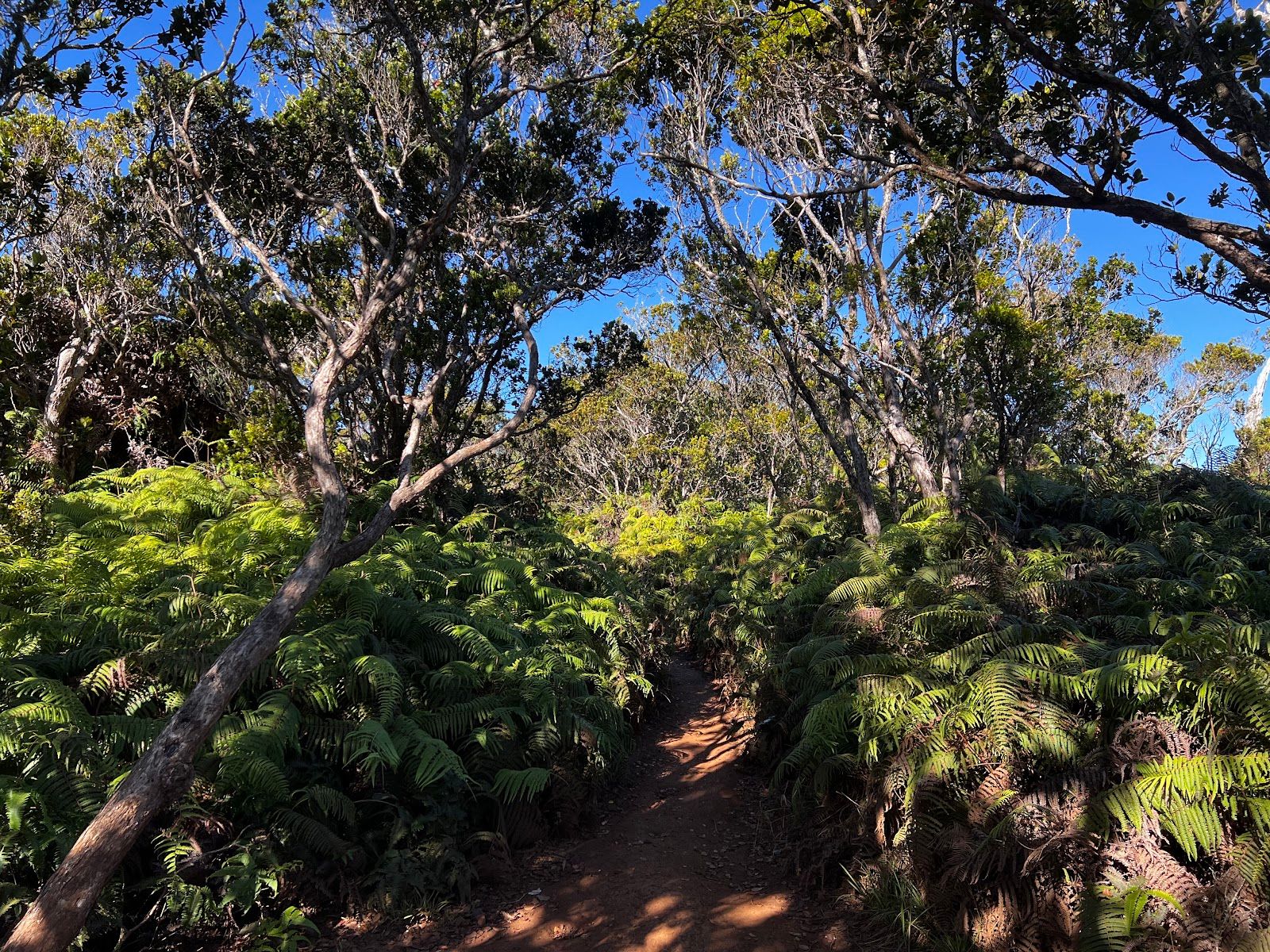
Pihea Trail is beautiful, but it is not forgiving. The route is known for slick red clay, uneven footing, exposed roots, and steep sections, and conditions can be muddy even after stretches of dry weather. Good hiking boots are essential, and trekking poles are a smart addition. Wet weather can also bring wind, fog, and low visibility, which makes the cliff-edge sections feel more serious.
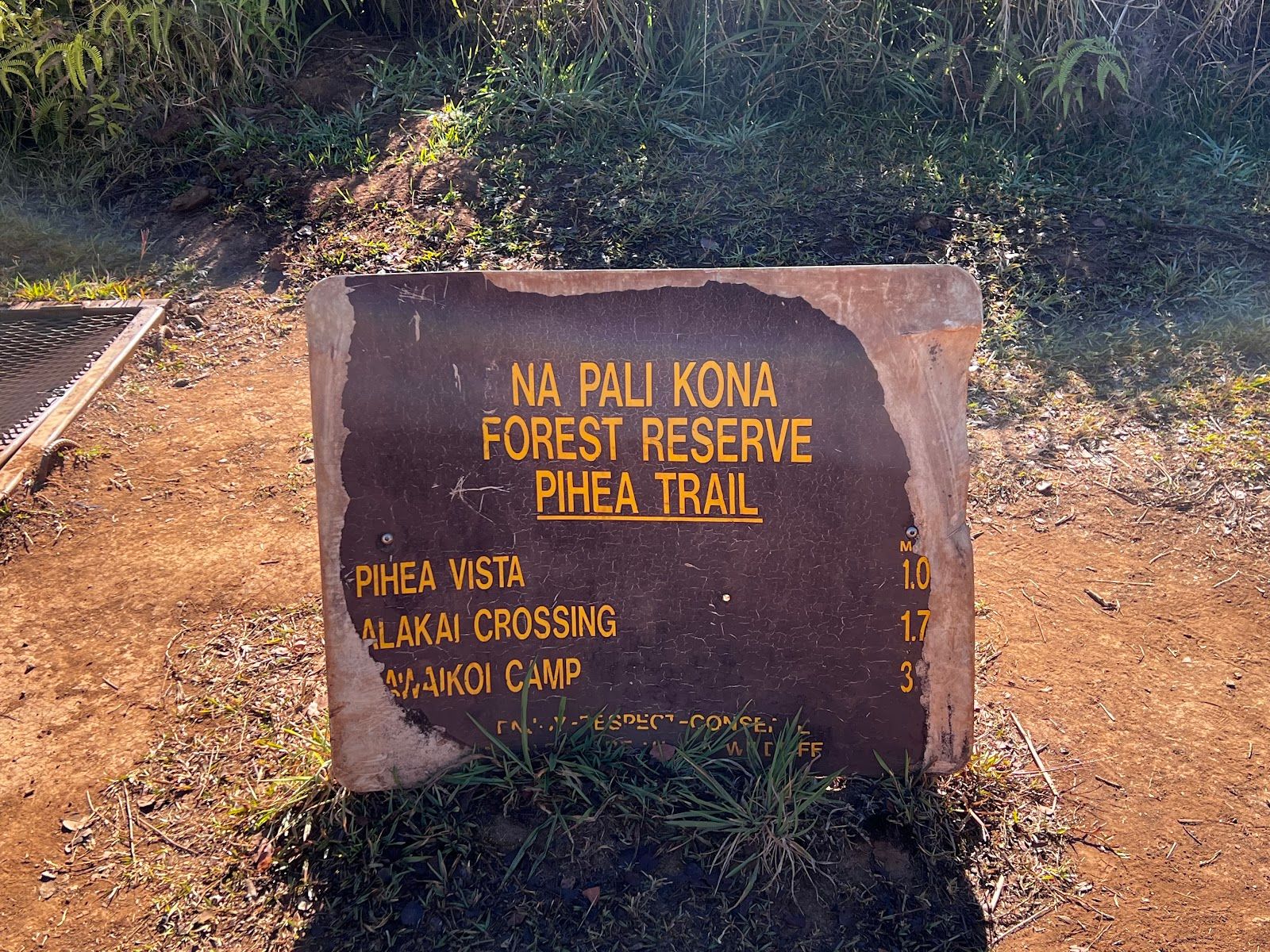
Access can add another layer of complexity. The final mile to the Puʻu o Kila trailhead is sometimes closed to vehicles, in which case hikers need to park at Kalalau Lookout and walk the road to the trailhead. Parking in Kōkeʻe is limited, and that alone is reason enough to arrive early. There are no trailhead facilities at Puʻu o Kila, so plan accordingly before setting out.
Best fit for your Kauaʻi itinerary
This is a strong choice for experienced hikers, birdwatchers, and travelers who want one of Kauaʻi’s most distinctive combinations of view and habitat. It works well as an anchor activity in a Waimea Canyon and Kōkeʻe day, especially if paired with other lookouts or a slower return through the park.
It is less suitable for casual walkers, families with young children, or anyone who would be unhappy with muddy footing and cloud-obscured views. Travelers looking for a simpler scenic stop may prefer the nearby lookouts instead. But for those prepared for a real hike, Pihea Trail delivers one of the island’s most characterful west-side routes.