
Salt Pond Beach Park
Salt Pond Beach Park is a lifeguarded, family-friendly beach with a protected lagoon ideal for toddlers and beginner snorkelers. It offers stunning sunsets over Niʻihau and culturally significant Hawaiian salt ponds nearby.
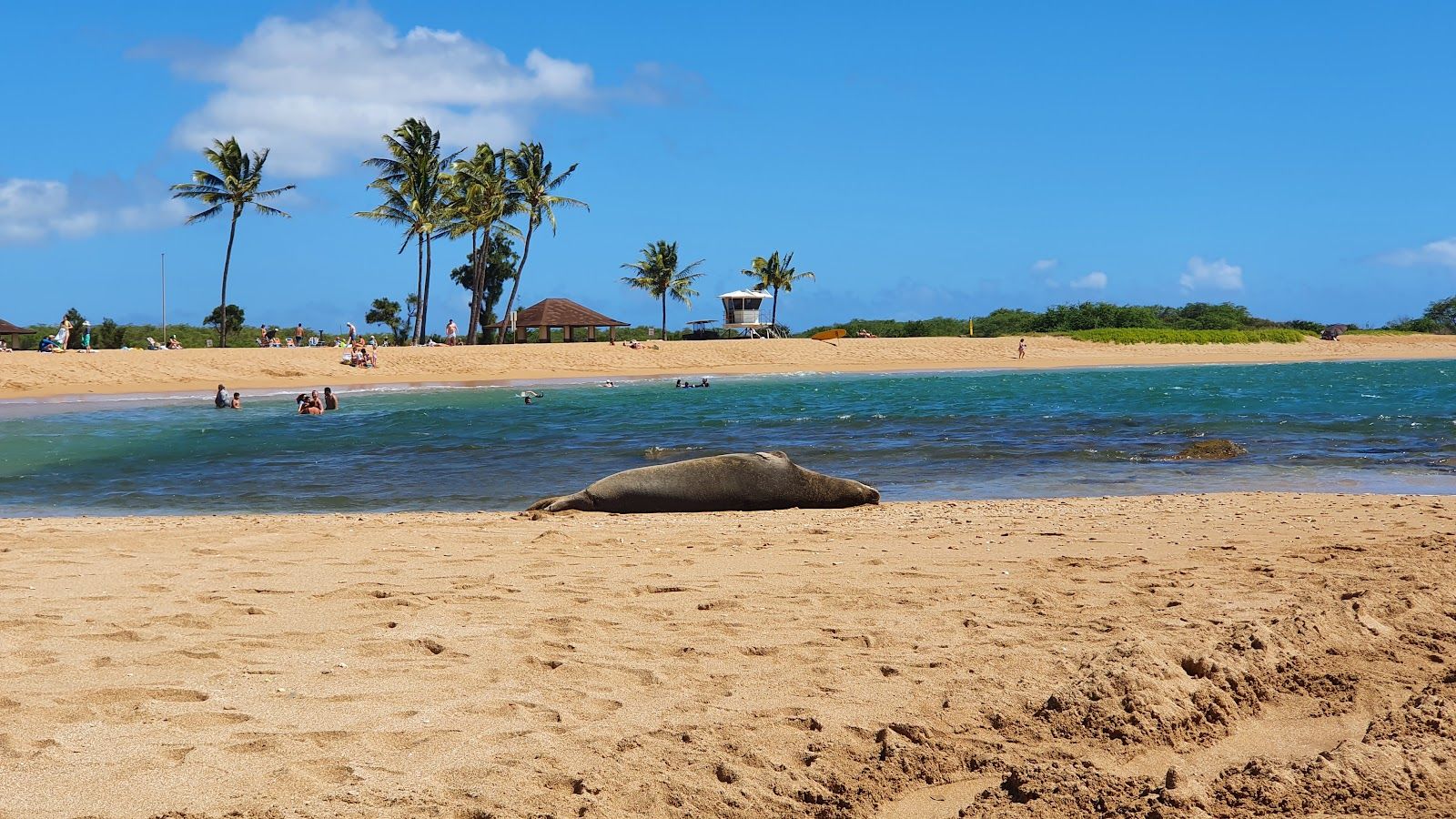
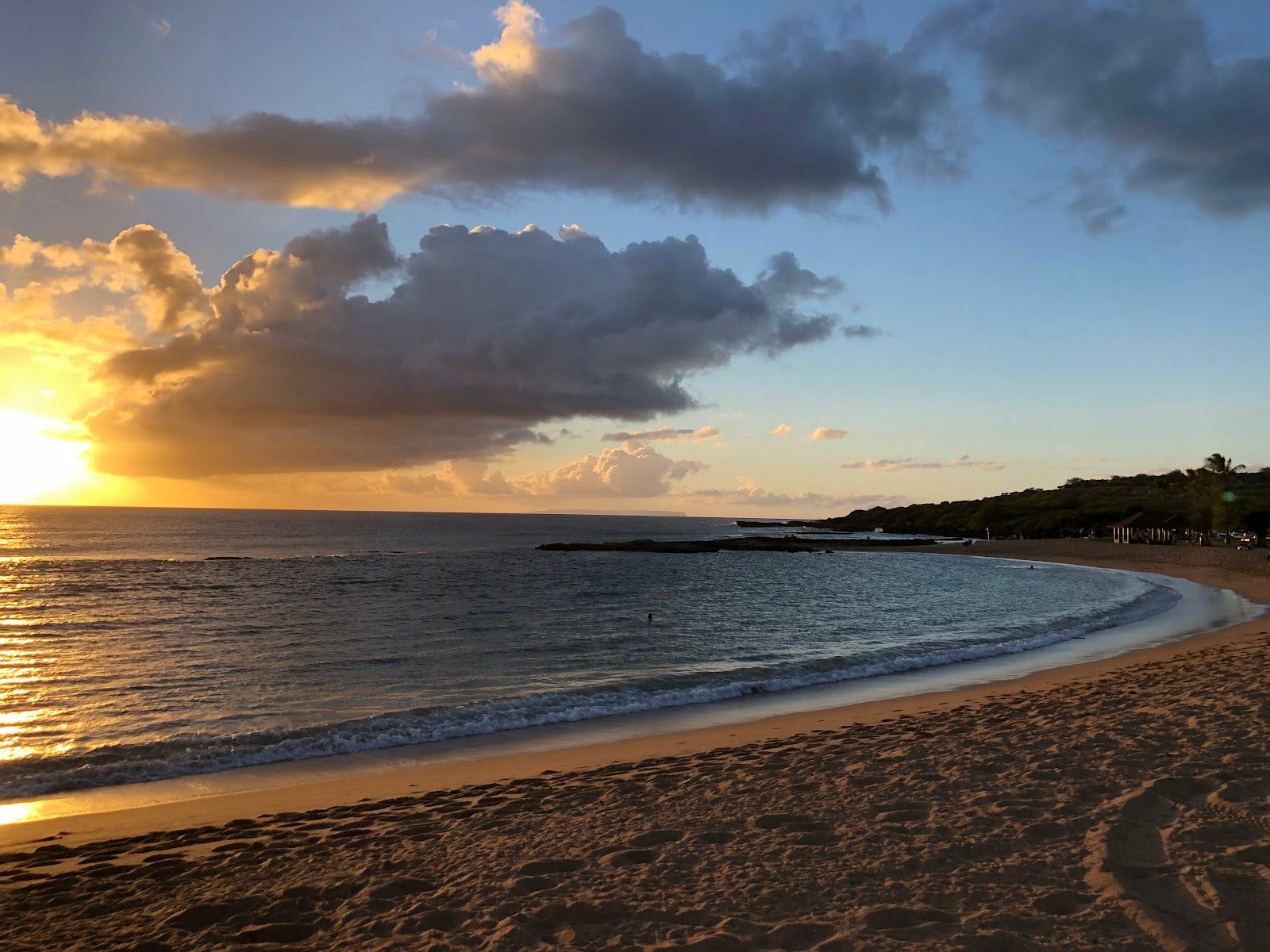
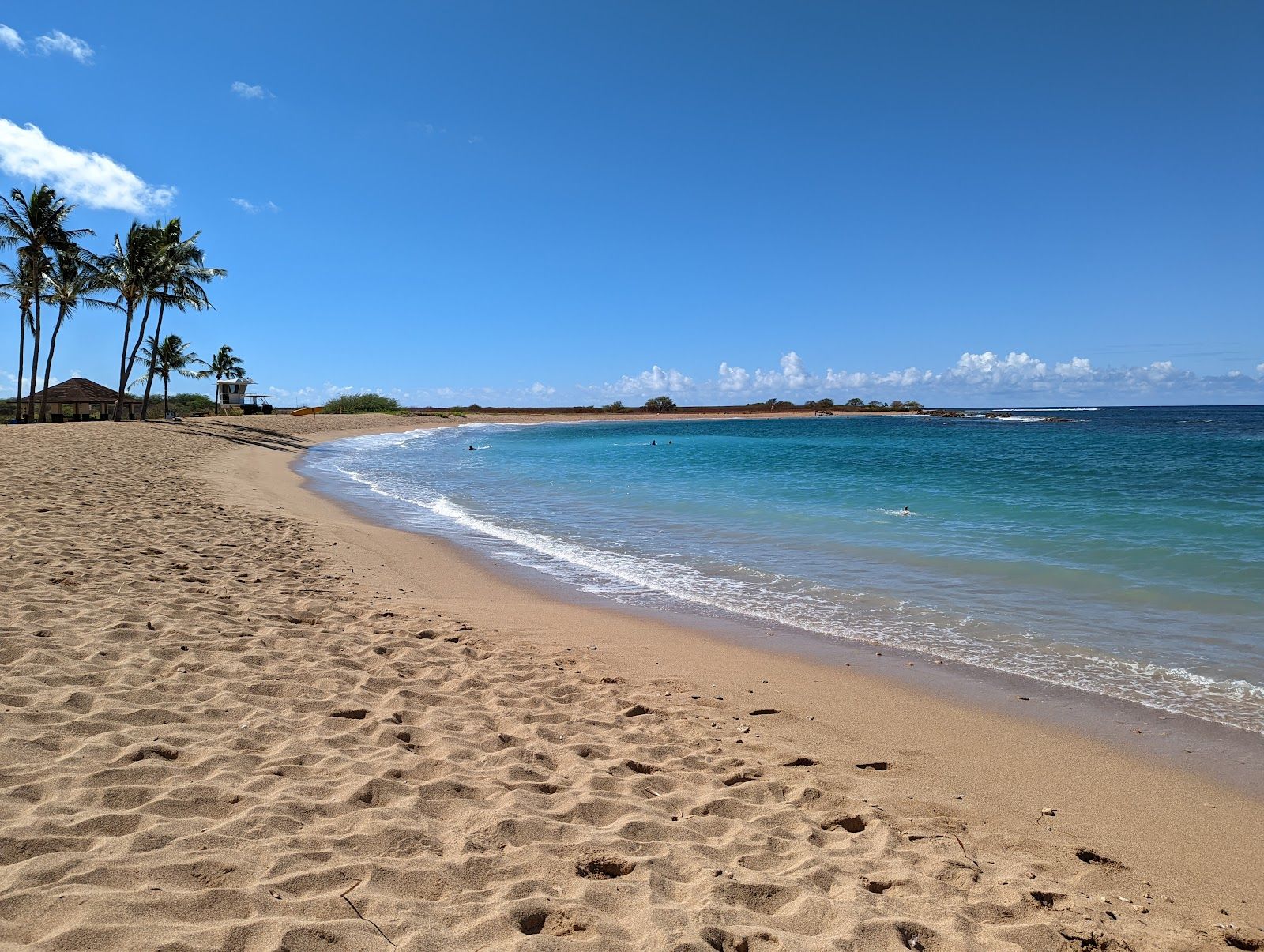
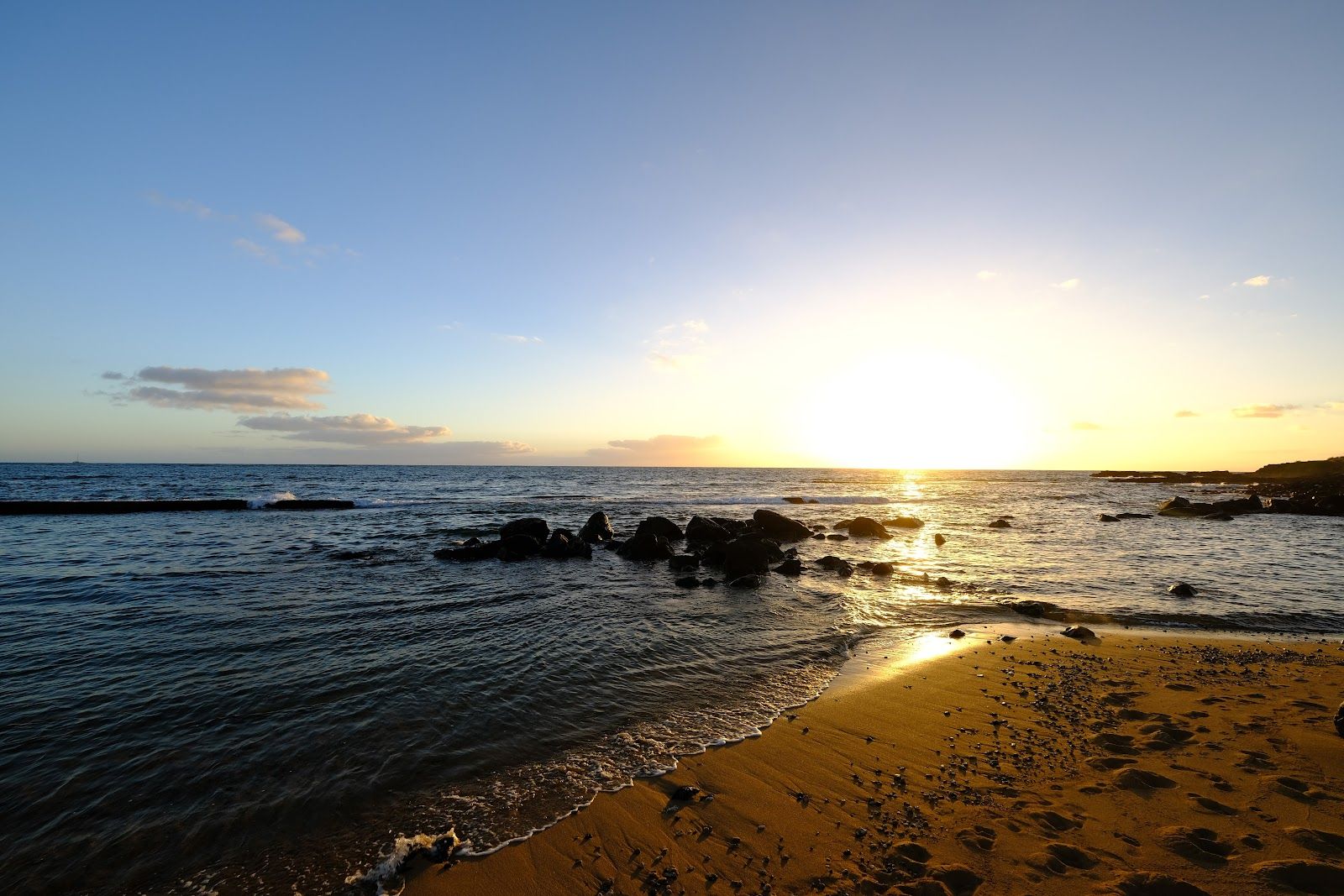
- Shallow, reef-protected keiki pond ideal for toddlers
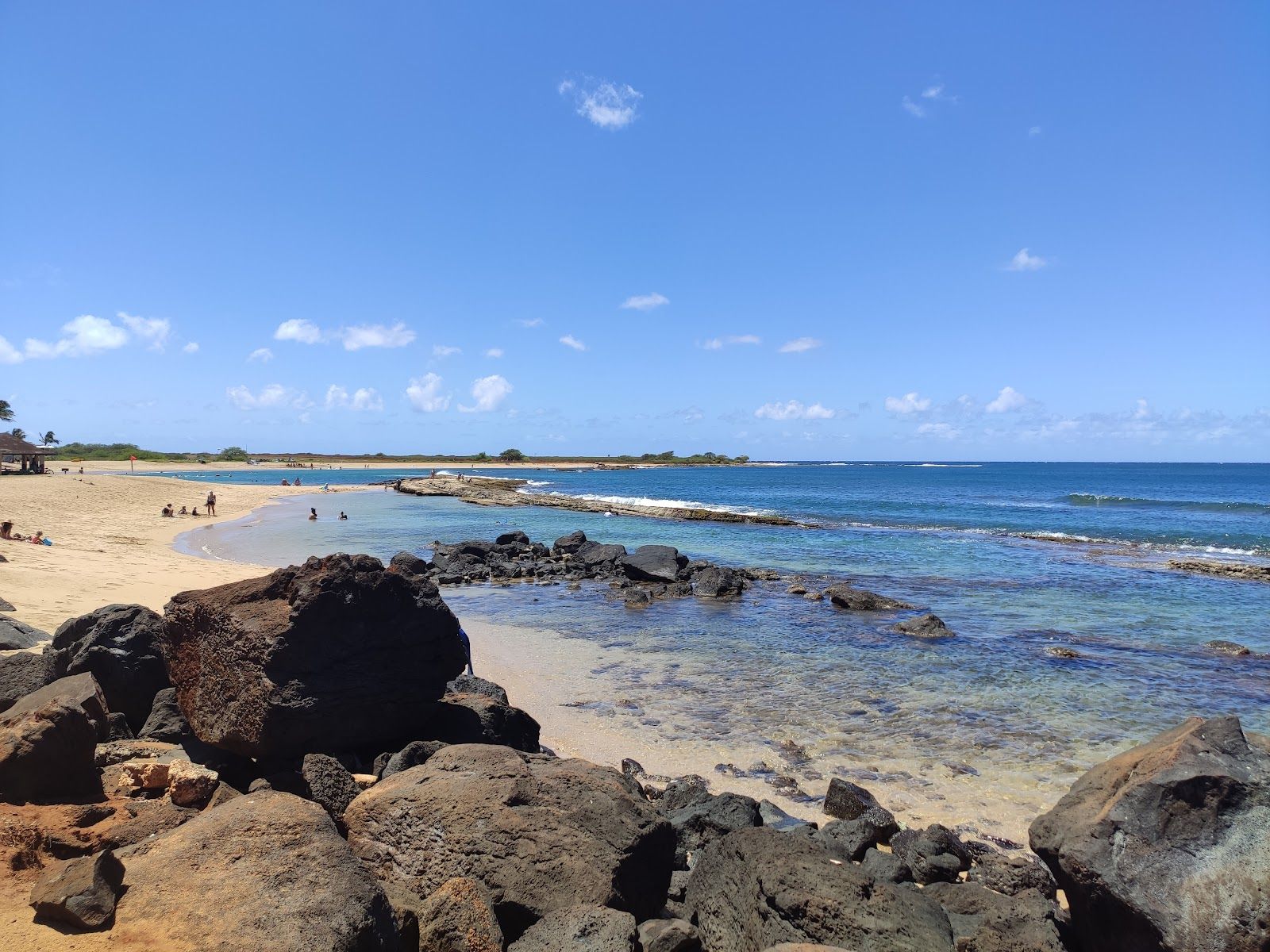
- Snorkeling with butterflyfish and Moorish idols along lava-rock points
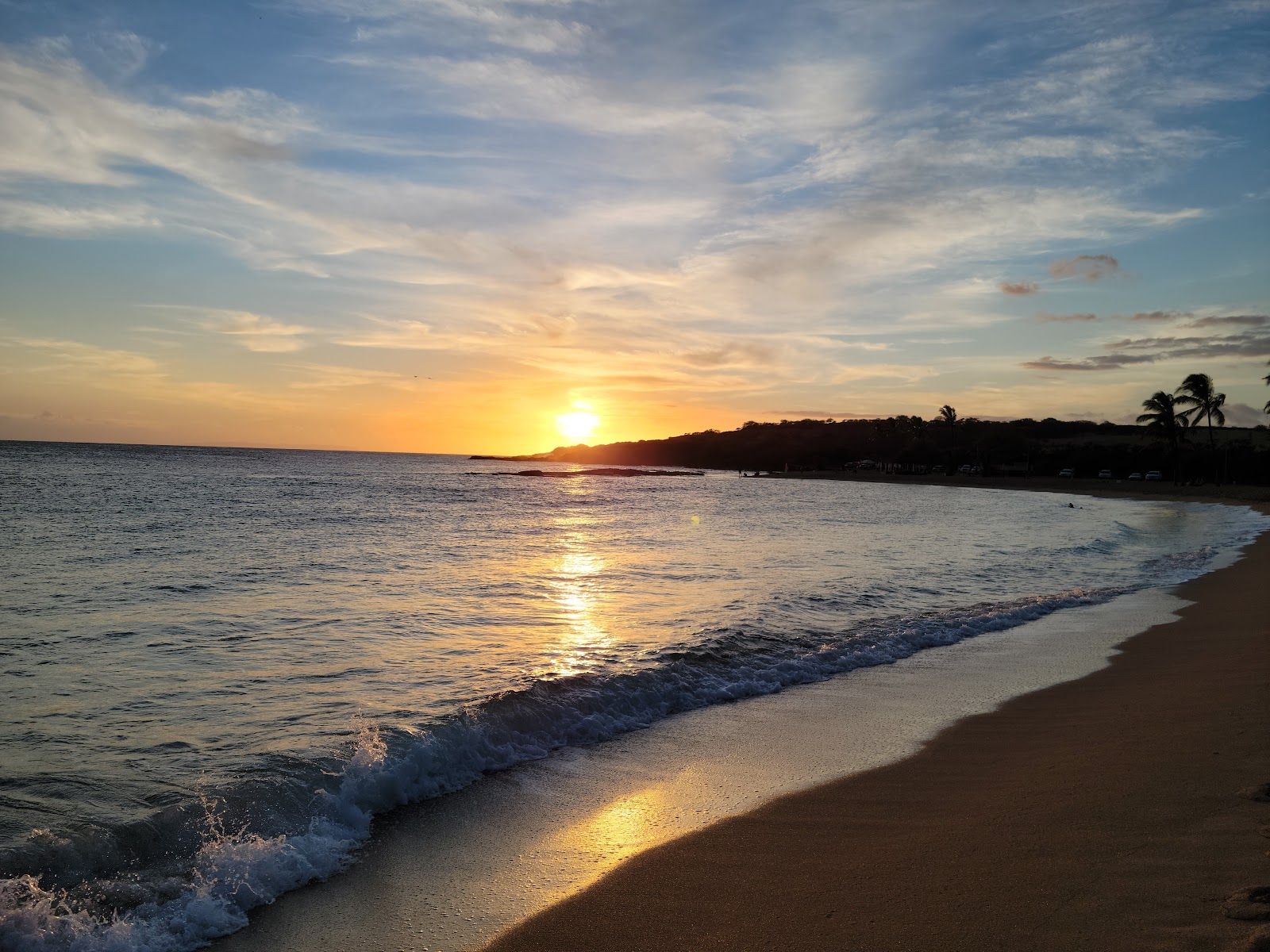
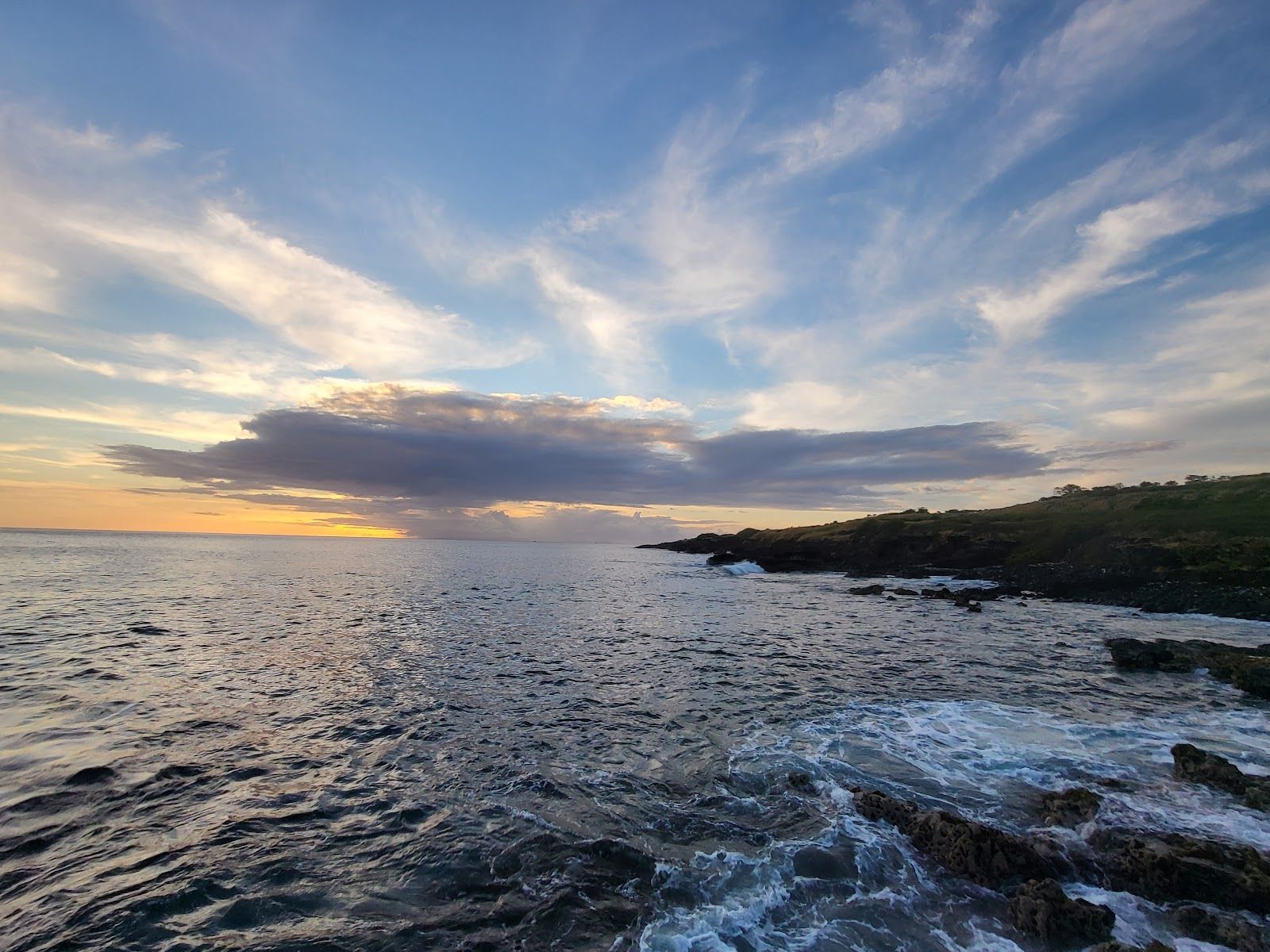
- Evening sunsets over Niʻihau with minimal crowds
- Adjacent to culturally sacred Hawaiian salt ponds
Salt Pond Beach Park is one of Kauaʻi’s most useful west-side beach stops: a county-run park near Hanapēpē with a sheltered lagoon, a big grassy edge for picnics, and sunset views that can be excellent on a clear evening. It stands out because it works for several kinds of days at once. Families come for the calm water, snorkelers come for the protected reef edge, campers use it as a base, and anyone crossing the island’s west side can fold it into a low-effort beach break without committing to a full resort-beach scene.
The lagoon, the lawn, and the sunset
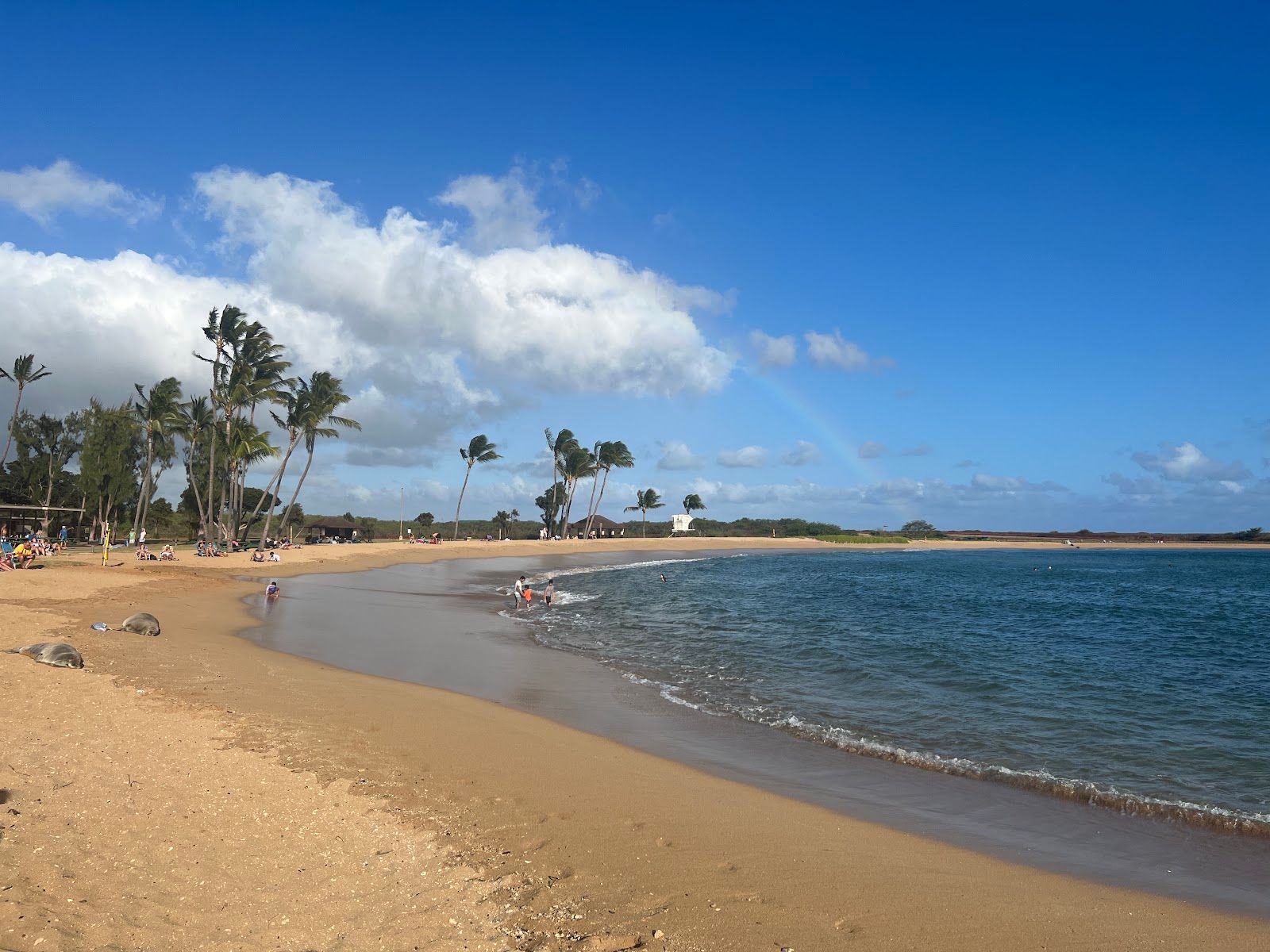
The signature draw here is the reef-protected swimming area. The water is typically shallow and calm enough to feel approachable for children and nervous swimmers, which is why the place has such a strong family reputation. Snorkeling is secondary rather than the main event, but the lava rock and reef formations along the edges can offer a simple, beginner-friendly look at nearshore marine life.
The beach itself has a distinctive reddish sand and a relaxed local feel. Beyond the shoreline, the park opens onto a broad grassy area with pavilions and barbecue grills, so it functions as much like a day park as a classic beach. Late afternoon is the time to watch for the west-facing light, and sunset can be especially memorable here, with the horizon often opening toward Niʻihau.
A beach day that can be a half-day stop
Salt Pond Beach Park fits neatly into a west-side itinerary. It works well as a morning swim before winds pick up, a midday picnic stop, or an end-of-day pause after exploring Hanapēpē, Eleʻele, or the drive toward Waimea. Because day use is free and the park has practical facilities, it is easy to keep the visit simple: swim, dry off, eat, and move on.
Camping is another reason the park matters. For travelers using permitted county campsites, it can anchor a more budget-minded stay on this side of the island. That said, this is not the place for a polished resort experience. Shade on the sand is limited, so umbrellas or use of the pavilion areas make the day more comfortable.
Respect the salt ponds
The adjacent salt pans are not just scenery; they are a living cultural site and active workplace for local families. Visitors should view them from the park and stay out of the salt pond area itself. During the dry season, salt making may be visible, and that adds an unusual layer of context to an otherwise simple beach outing.
There are a few other sensible cautions. Rip currents can form beyond the protected lagoon, especially when surf builds, so swimmers should stay within the sheltered area and pay attention to lifeguards and posted signs. Box jellyfish advisories can also come up at certain times of the month. As with any public park, it pays not to leave valuables unattended.
Best for, and better alternatives
Salt Pond Beach Park is best for families, casual swimmers, beginner snorkelers, campers, and travelers who prefer a laid-back, local-feeling beach over a busier destination. It is less compelling for those seeking strong surf, advanced snorkeling, or a more resort-oriented beach scene. If that is the priority, Poʻipū is the more obvious alternative.