

Sleeping Giant: Nounou East Trailhead
Nounou East Trail is a moderate, free forest-to-ridge day hike on Kauai's Sleeping Giant Mountain, featuring shaded switchbacks and panoramic 360° views from the summit. Ideal for active hikers and sunrise photographers, it offers a rewarding half-day adventure with a cultural legend backdrop.
- Shaded ironwood switchbacks
- Breezy ridgetop picnic shelter
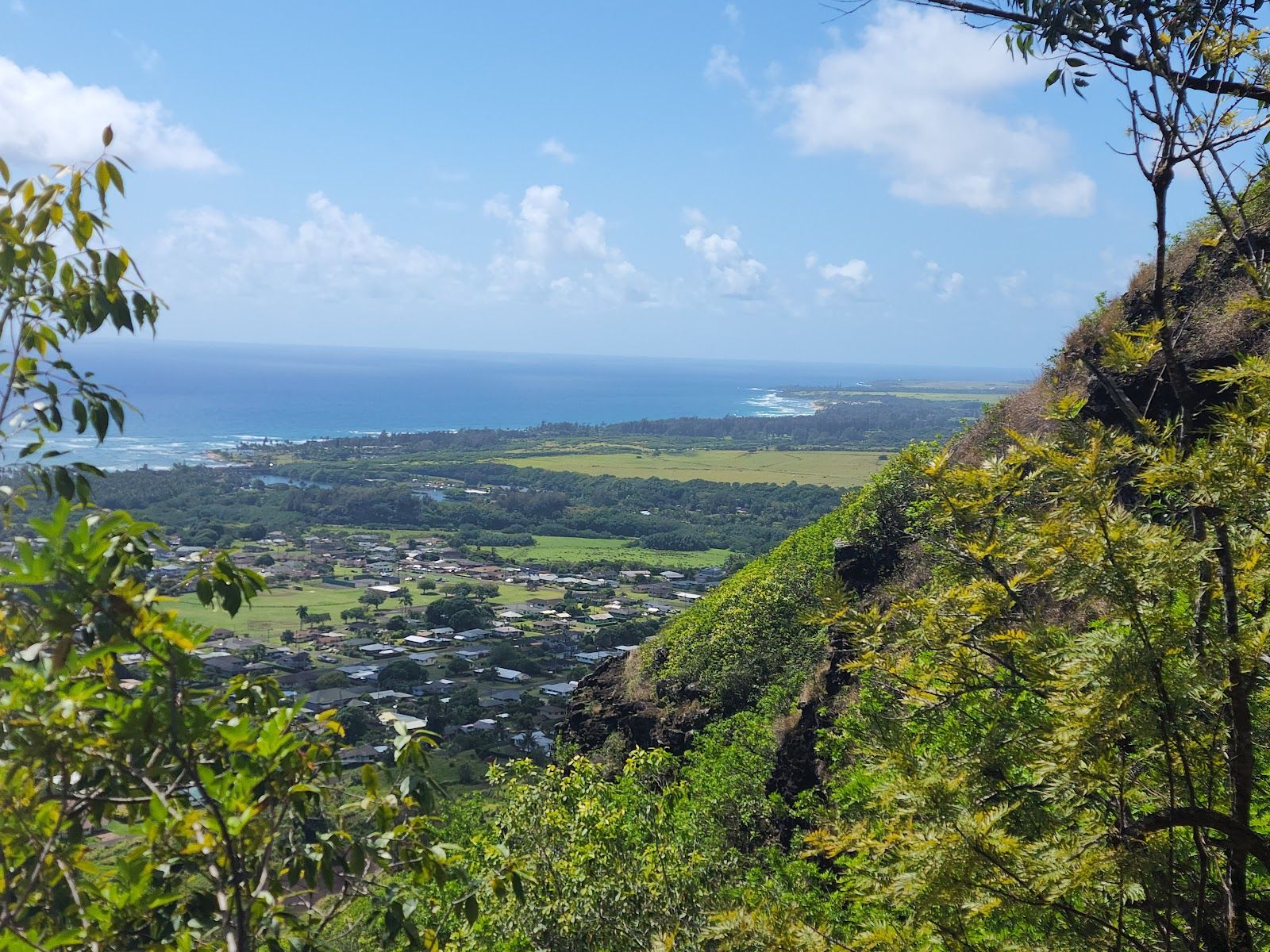
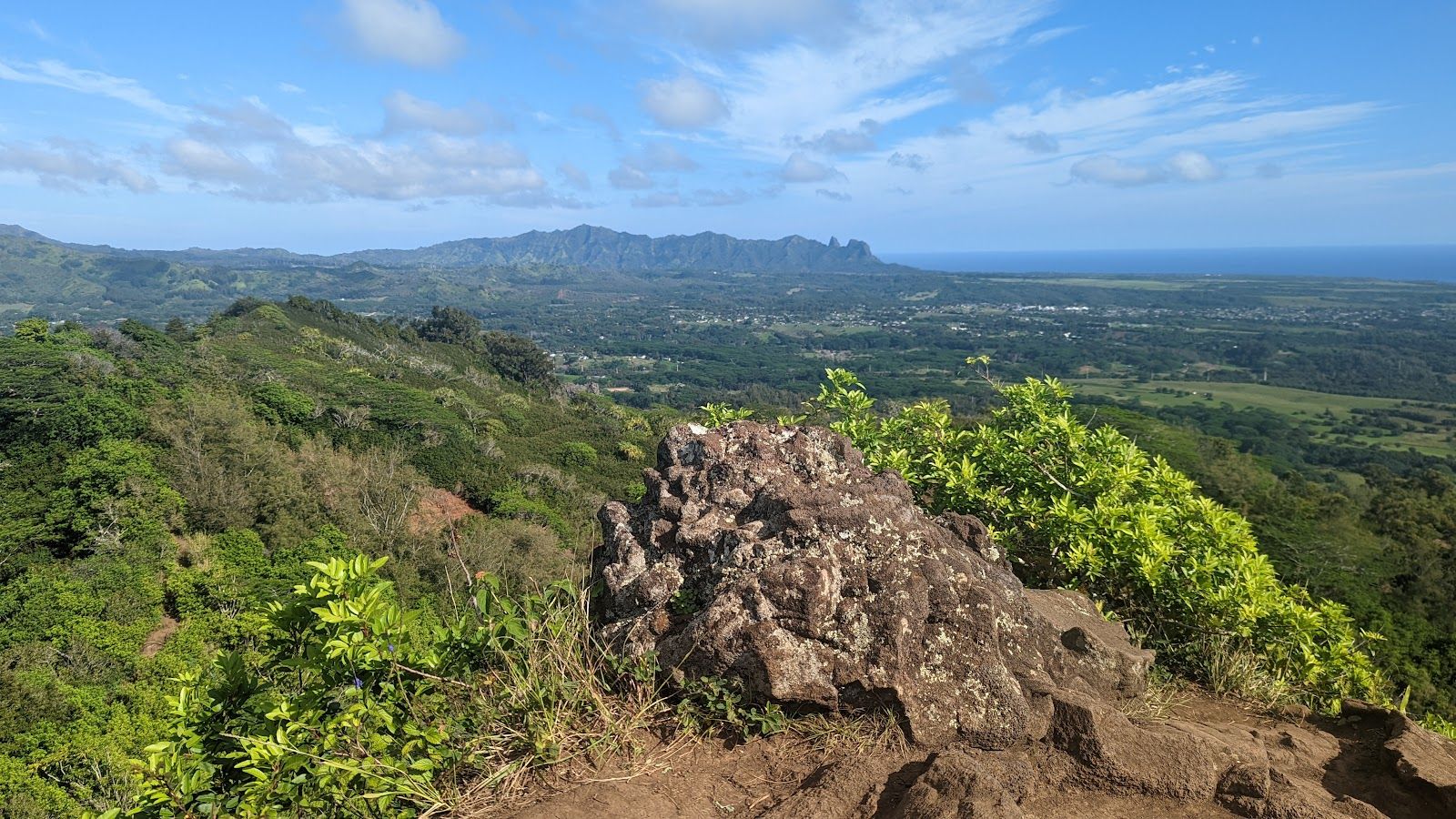
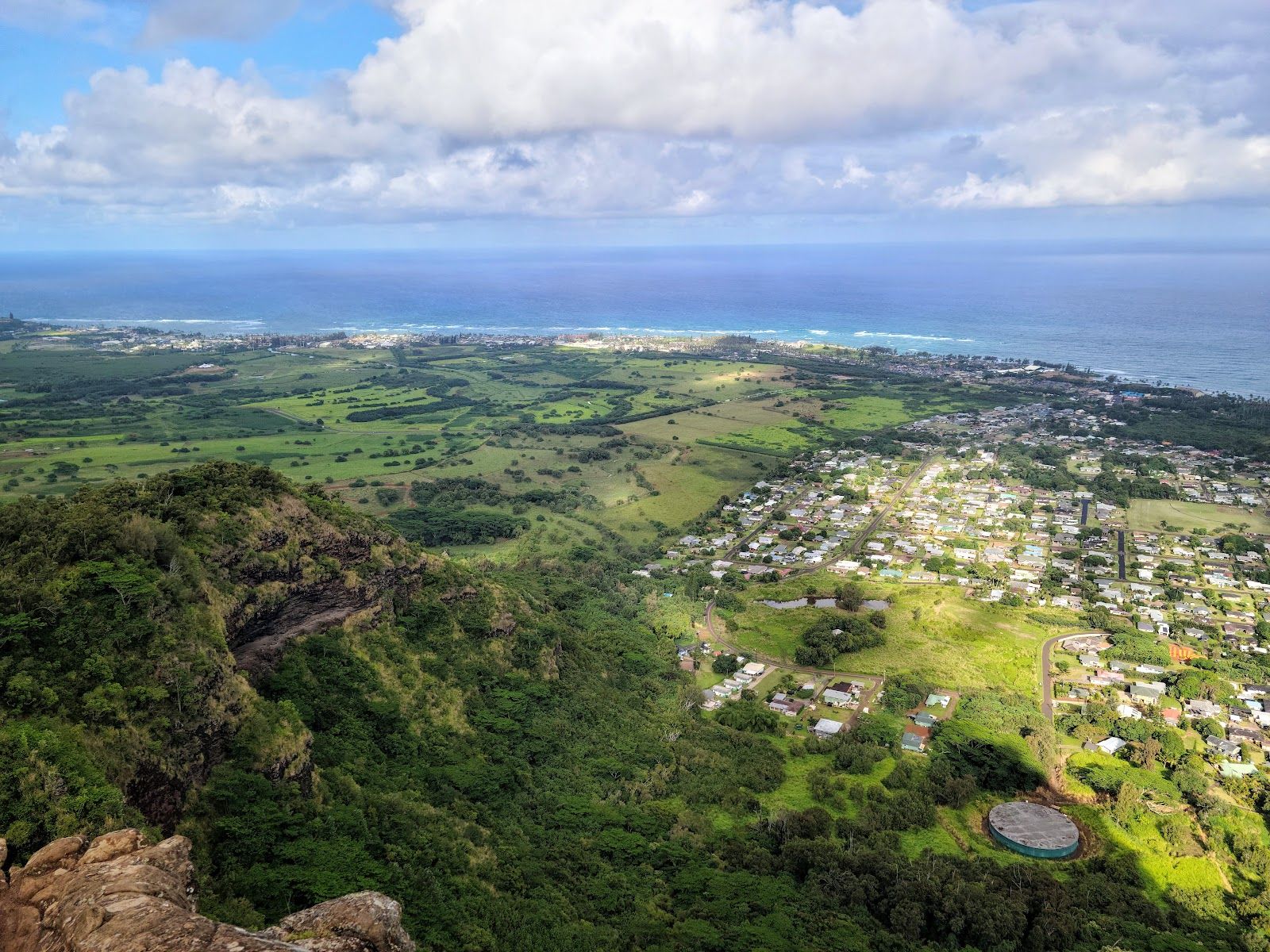
- 360° summit views over Wailua Valley and Pacific Ocean
- Sunrise photography hotspot
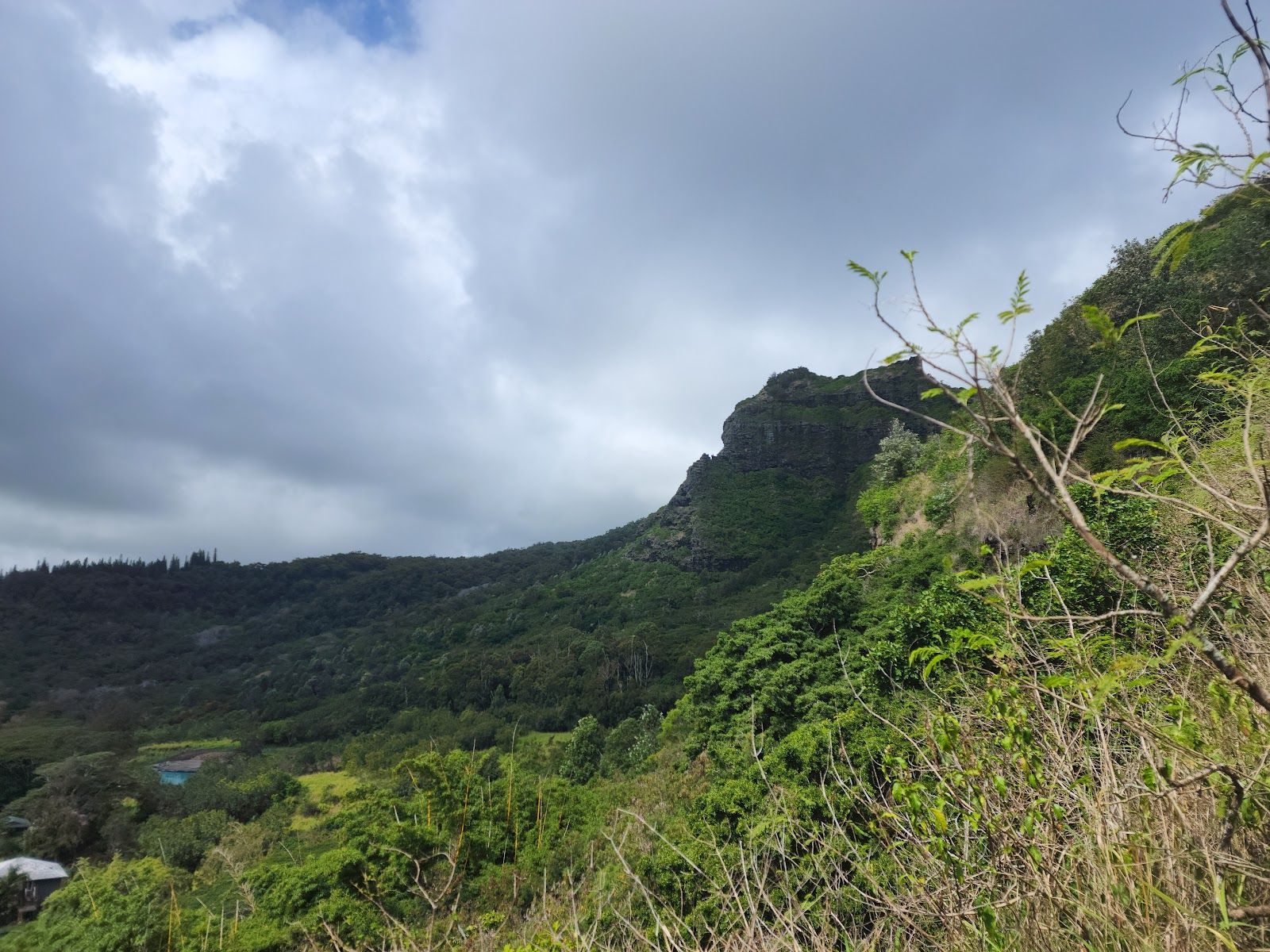
Sleeping Giant: Nounou East Trailhead is one of Kapaʻa’s signature hikes on Kauaʻi’s Coconut Coast: a steady, rewarding climb up Nounou Mountain with a summit payoff that looks out over the Wailua River valley, the east side towns, and the Pacific beyond. It is a strong half-day choice for travelers who want something more memorable than a casual stroll but not a full-day alpine effort. The route is popular for sunrise, and for good reason: the east-facing views and the forested approach make it feel both accessible and distinctly Kauaʻi.
The East Trail’s personality: shaded climb, open ridge finish
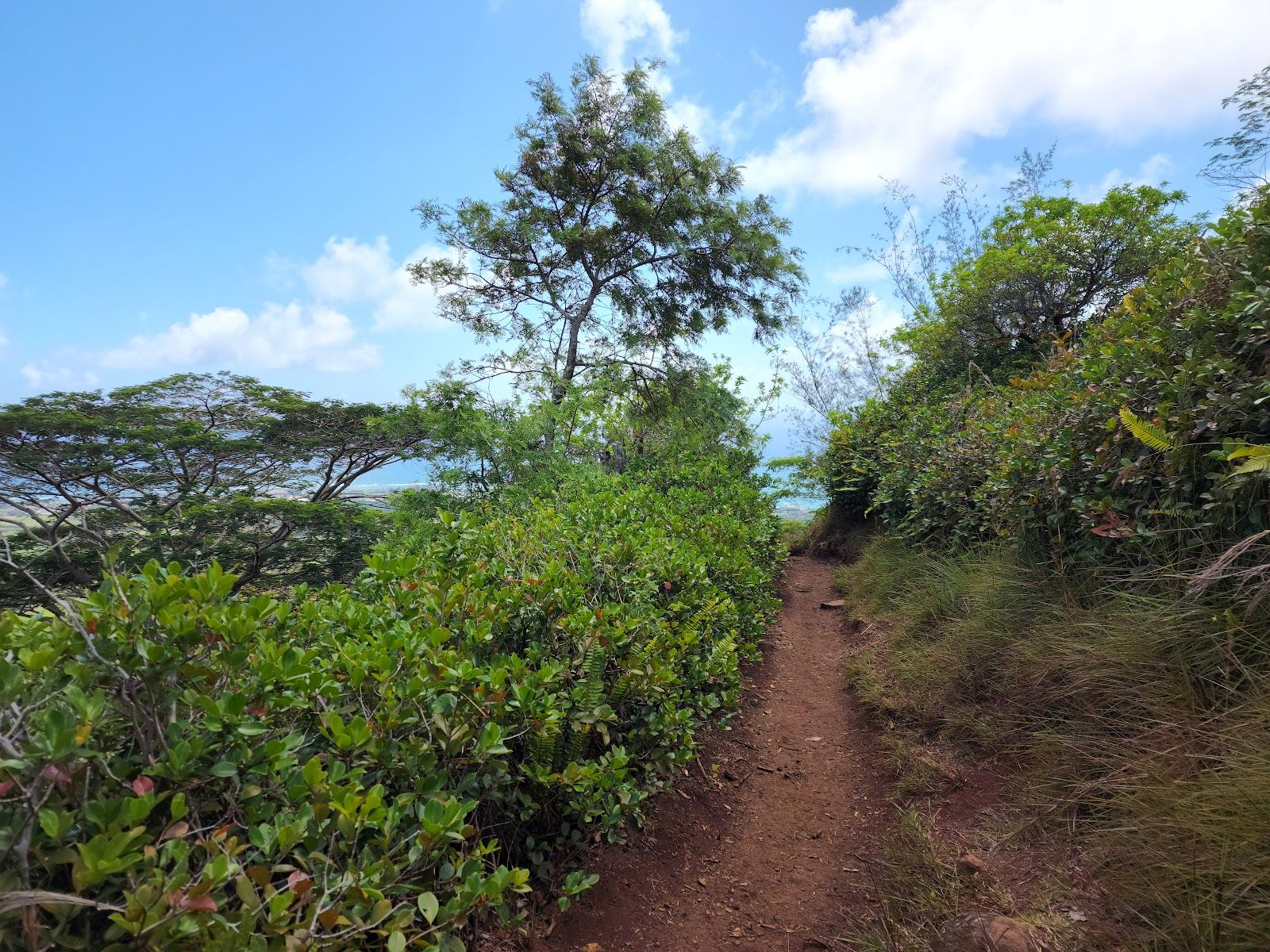
The Nounou East Trail is an out-and-back route through the Nounou Forest Reserve, managed under the Na Ala Hele trail system. The lower section moves through ironwood and guava trees with welcome shade, then climbs on a mix of dirt, roots, and well-graded switchbacks. That early cover is one of the trail’s biggest advantages over steeper, more exposed alternatives on the mountain.
About three-quarters of the way up, a covered picnic shelter offers a natural pause point. From there, the trail becomes more open and more exposed as it works onto the ridgeline. The official route ends at a viewpoint on the giant’s “chest,” but many hikers continue along a worn path to a short hands-on scramble that reaches the highest viewing perch on the “chin” or “forehead.” The extra effort is brief, but it is the most exposed part of the hike and demands sure footing.
A good Kapaʻa itinerary block, especially at sunrise
This hike fits neatly into a morning on the Coconut Coast. Sunrise starts make the most of the cooler air and the eastward views, and the trail’s half-day scale leaves room for breakfast, beach time, or a low-key rest of the day in Kapaʻa or nearby Wailua. It works well for travelers building an itinerary around the east side rather than trying to force in a major excursion before or after a long drive.
The trailhead sits on Haleilio Road in a residential area, so it is not a park-with-lots-of-infrastructure experience. There is no formal lot, and parking is along the shoulder. That means an early start matters, especially for sunrise or weekend mornings when spaces fill quickly. There are no restrooms or water sources at the trailhead or on the route, so everything needed for the hike should be packed in ahead of time.
The tradeoffs: mud, roots, and a summit scramble
Sleeping Giant East is rated moderate, and the rating is fair. The climb is not technical, but it is persistent, and the footing can become demanding. Red clay and rain are a rough combination here; after wet weather, the trail can turn slick quickly, and exposed roots create frequent trip hazards. Sturdy hiking shoes with good traction are the right call, and trekking poles can help on muddy days.
The upper ridge adds another layer of caution. Steep drop-offs and the final scramble make the last stretch less forgiving than the lower forest section. Hikers uncomfortable with exposure, heights, or slippery rock should consider turning around at the shelter. The trail is dog-friendly on leash, which broadens its appeal, but the same terrain that makes it scenic also makes it less suitable for small children or anyone who wants a gentle nature walk.
Who it suits
This is a strong fit for moderately fit hikers, active couples, and families with sure-footed older children or teens. It is also one of the better Kauaʻi hikes for travelers who want a real sense of place: a forested climb, a ridge-line finish, and a summit view that explains why this mountain is such an island landmark. Those looking for an easy stroll, abundant amenities, or a no-thought outing should choose another option. But for travelers who want a classic east-side hike that feels rewarding without taking over the day, Sleeping Giant: Nounou East Trailhead belongs high on the list.