

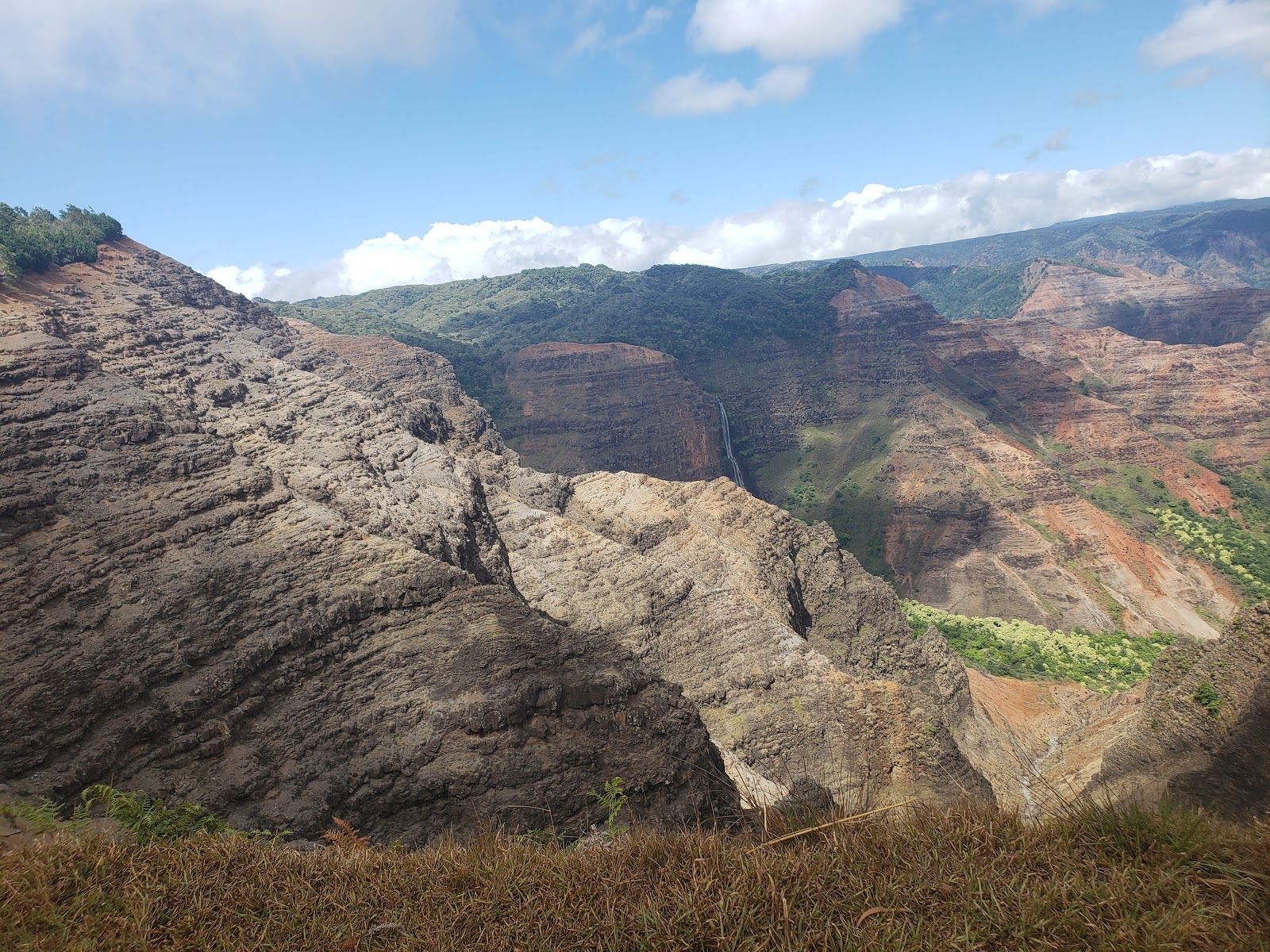
Waimea Canyon & Kōkeʻe
Gateway town to Waimea Canyon and Kōkeʻe hikes.
Good Fit For
- Scenic road‑trippers who want drive‑up canyon and Nā Pali lookouts
- Active hikers seeking views and classic half‑day trails
- Bird lovers interested in high‑elevation native forest
- Photographers chasing rainbows, mist, and golden‑hour canyon color
Trade-offs
- Remote uplands with minimal cell service and few services
- Parking is limited at popular lookouts and trailheads
- Cooler, windier weather than the coast—bring layers
- Entry/parking fees apply for state park lookouts
Logistics & Getting Around
A single entry/parking pass covers multiple lookouts in Waimea Canyon and Kōkeʻe State Parks. Expect cooler temps, wind, and mist; pack layers and a light rain shell. Minimal cell service; download maps or pick up printed maps. Trails can be steep and muddy, with unguarded cliffs—heed railings/fences and watch footing.
Nearby Areas in West Side
Signature Experiences in Waimea Canyon & Kōkeʻe
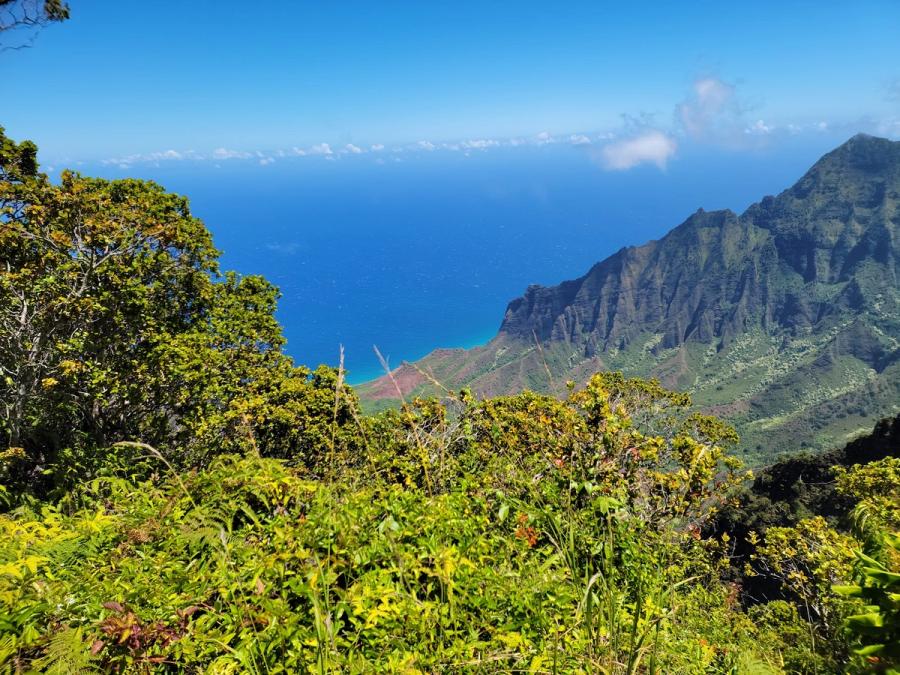
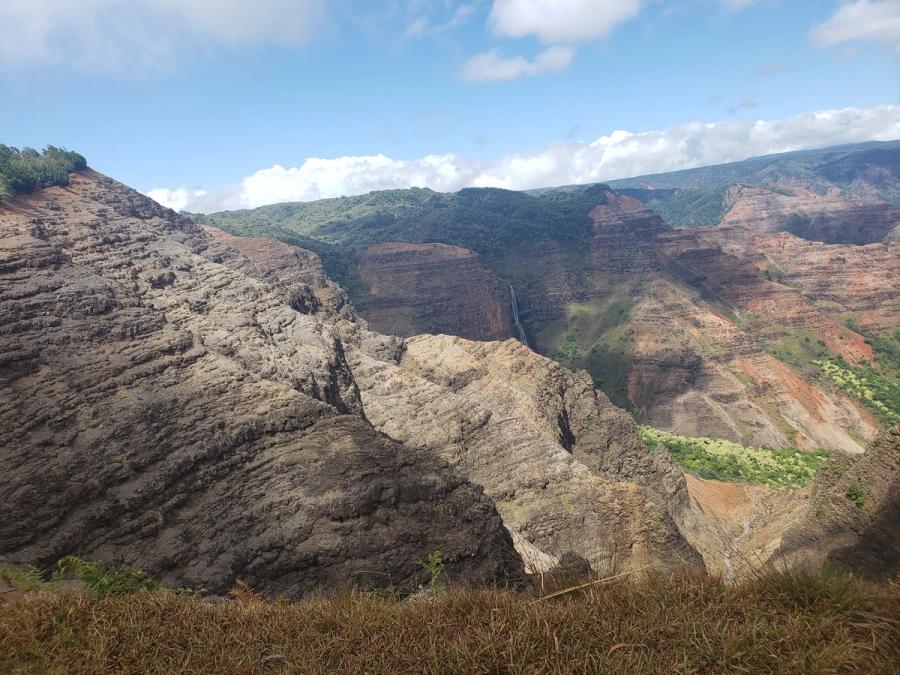
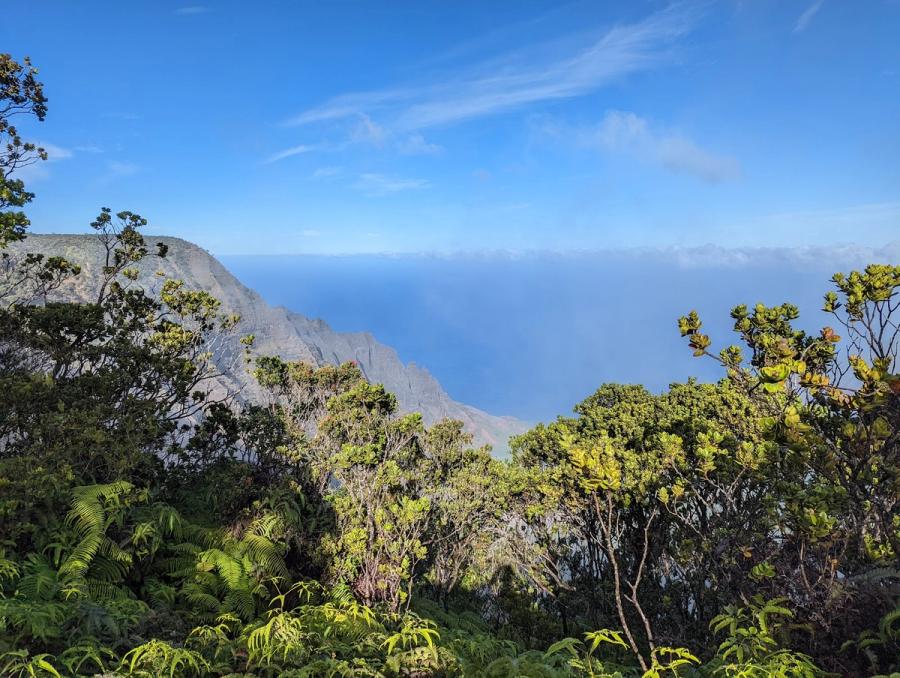
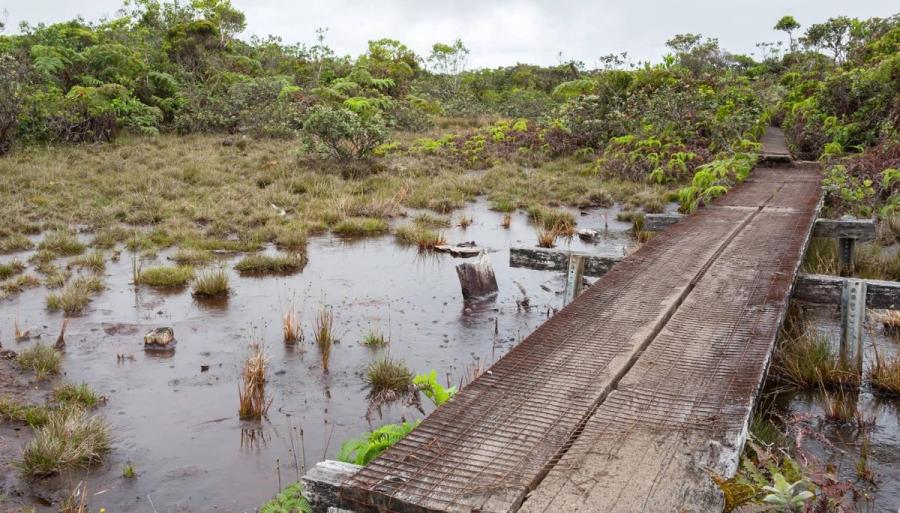
Waimea Canyon & Kōkeʻe: Above the Heat, Into the Color
Climbing from the coastal plains into Waimea Canyon and Kōkeʻe feels like slipping into a different island entirely. The air cools. Red and green canyon walls open in tiers. Mist moves with a mind of its own. Up here, the drama isn’t only in the famous vistas; it’s in the textures—boardwalks threaded through a high-elevation swamp, the rustle of koa and ōhiʻa, and the flash of native honeycreepers in the canopy. This is Kauaʻi’s upland heart, equally welcoming to road-trippers, casual walkers, and hikers who like their views hard-earned.
Lookouts as Overture
If it’s your first time, begin with the lookouts; they’re the overture to this entire landscape. The Waimea Canyon Lookout sets the stage with a 3,400-foot panorama, a clear, textbook view of Waipoʻo Falls, and an ADA-accessible lower terrace. There are interpretive panels, restrooms, and a pay station, and it’s close to other viewpoints along Waimea Canyon Drive—useful if you’re threading a day of short stops with longer walks.
Further uphill, Pu’u Hinahina Lookout widens the lens. The paved, wheelchair-friendly path leads to sweeping views of Waimea Canyon’s multi-hued walls and, on the clearest days, the Pacific and Niʻihau. It’s also a practical hub, with nearby trailheads for the Canyon and Cliff Trails. There are restrooms and accessible parking; there are no concessions here, so plan your snacks.
At the island’s edge, the Nā Pali amphitheater opens at Kalalau Lookout, a drive-up stunner where rainbows and passing mist are part of the show. A short paved path, interpretive panels, and vault toilets make it easy to linger, and a single day-use pass covers multiple park lookouts. A few minutes beyond, Pu’u O Kila Lookout sits higher and feels quieter, with panoramas that can swing from cloud-curtain to coastline in heartbeat. On clear days, the view can run to Niʻihau; even when it doesn’t, the shifting light and cool air are worth the stop.
Trails That Earn the View
The ridge and canyon hikes deliver the park’s most intimate moments. The Awaʻawapuhi Trail is a moderate out-and-back that slips through native rainforest to a fenced, 2,500-foot aerie above Awaʻawapuhi and Nuʻalolo Valleys. Expect interpretive signs about endemic plants, regular trail markers, a shaded descent, and, charmingly, free walking sticks at the trailhead. It suits hikers who want drama without an all-day grind.
Its neighbor in grandeur, the Nuʻalolo Trail, leans harder: a long ridge walk with steep, sometimes muddy slopes, and a 1,600-foot gain on the return. The payoff is a cliff-edge overlook of the Nā Pali coast with relative solitude. The trail passes through high-elevation koa–ōhiʻa forest and five distinct vegetation zones, and no permit is required beyond park entry fees. Trailhead amenities nearby include restrooms and a café.
For those drawn down into the canyon’s ribs, the Kukui Trail drops 2,200 feet to the Waimea River on a historic Civilian Conservation Corps route. The 360-degree vistas magnify with each switchback, and a cooling river spot waits at the bottom. It’s strenuous and remote, with limited parking and no potable water—best for well-conditioned hikers who like big descents and big silences.
On the canyon rim, the Waimea Canyon Trail ties together iconic “Grand Canyon of the Pacific” views with a short side spur to a vertiginous cliff overlook and a dip-able pool at the upper tier of Waipoʻo Falls. The balance of effort to reward is high; a vault toilet at the trailhead and shaded picnic tables nearby make it a tidy half-day.
If you prefer to wander under trees, the Kaluapuhi Trail is an easy, uncrowded stroll beneath ōhiʻa and koa, with surprising groves of redwood and sugi. Birdsong is a constant soundtrack, and the cool, misty air feels restorative. For something even simpler, the roadside Iliau Trail is a 0.3-mile loop with big views of Waimea and Waialae Canyons and interpretive plaques about dry-forest plants. Come May–July, keep an eye out for the rare iliau bloom. Parking is limited here, and there are no restrooms or potable water.
Into the Mist: Alakaʻi and Pihea
High on the plateau, the world softens and greens. The Alakaʻi Wilderness / Swamp Trail threads cedar-plank boardwalks through one of the world’s highest rainforest swamps, with chances to spot ʻakekeʻe and ʻiʻiwi. Cooler temperatures and the mossy, photogenic landscape make it feel very far from the beach. On clear breaks, the trail culminates at Kilohana Lookout, where Wainiha and Hanalei Valleys and the Pacific assemble in one sweeping gaze.
From the rim of Kalalau Valley, the Pihea Trail offers postcard views of Nā Pali cliffs and an elevated boardwalk through the Alakaʻi Swamp. The revitalized recycled-plastic tread reduces mud-slosh and impact, and the high-elevation air keeps mosquitoes at bay. Fit hikers and bird watchers will find plenty to love along this ridge-and-swamp pairing.
Wider still is the 23,000-acre Na Pali-Kona Forest Reserve, a quilt of high-elevation rainforest and ridges with rare honeycreeper sightings, cool cloud-forest conditions, and remote trails with minimal cell service. No commercial guiding is allowed here, a policy that helps protect an ecosystem best approached with experience and time.
Practical Notes
- Weather and seasonality: Expect cooler temperatures, cloud layers that shift quickly (notably at Puʻu O Kila), and frequent rainbows and mist at Kalalau. Summer brings the scent of wild ginger along the Waimea Canyon Trail, and the iliau plant blooms May–July on the Iliau Loop.
- Access and parking: The main lookouts are drive-up with paved paths; Waimea Canyon and Kalalau have restrooms, and a day-use pass can cover multiple park lookouts. Some trailheads have limited parking; heed posted areas.
- Amenities: Awaʻawapuhi offers free walking sticks and clear trail markers. Near the Nuʻalolo Trailhead, you’ll find restrooms and a café. The Puʻu Hinahina area connects to multiple trailheads; there are no concessions at the lookout.
Eat, Learn, Linger
Between trailheads, the Kōkeʻe Lodge is the uplands’ living room: hearty American and Hawaiian comfort food, a full bar, outdoor seating, and live music in a rustic, scenic mountain setting. It’s family-friendly and wheelchair accessible, with a gift shop and restrooms.
For bearings and good counsel, the Koke'e Natural History Museum is a compact hub: a large 3‑D relief map for route-planning, wood samples you can touch and smell, taxidermy displays of forest birds, and staff who offer real-time trail and weather advice. It’s ADA accessible and doubles as a source for detailed maps and local crafts.
If the idea of waking to birdsong and cool, resin-scented air appeals, consider The Cabins at Kōkeʻe: simple cedar and redwood cottages with wood-burning stoves, full kitchens, and on-site parking. There’s no Wi‑Fi, TV, or cell service—by design. A small café/snack bar is on the grounds, and trails and lookouts sit nearby. It suits travelers who prefer quiet evenings and early starts.
Who It Suits
- Easygoing explorers: Drive-up lookouts, the Iliau Loop, and museum displays offer big scenery with minimal effort.
- Families and photographers: Accessible terraces, interpretive panels, and changing light reward patient eyes.
- Bird watchers and botany fans: Kaluapuhi, Pihea, and the Alakaʻi Plateau teem with native species; iliau blooms in late spring.
- Strong hikers: Kukui, Nuʻalolo, and Awaʻawapuhi deliver solitude, elevation, and edge-of-the-world vistas.
- Seekers of stillness: The cabins’ no-signal hush and Kōkeʻe’s cool evenings make space for rest.
A Thoughtful Pace
- Day 1: Waimea Canyon Lookout to Puʻu Hinahina. Lunch at Kōkeʻe Lodge. Afternoon on the Waimea Canyon Trail or Awaʻawapuhi Trail. Sunset at Kalalau Lookout.
- Day 2: Morning along the Pihea Trail or into the Alakaʻi Wilderness / Swamp Trail. Debrief and plan at the Koke'e Natural History Museum. Settle into The Cabins at Kōkeʻe and let the forest quiet do the rest.
Up here, patience is the traveler’s ally. Clouds lift; birds appear; the canyon’s colors change with every hour. Waimea Canyon & Kōkeʻe reward those who give it time—and a good pair of walking shoes.


Can't decide where to stay? Get personalized advice.
Custom recommendations built from the web's most comprehensive Kauai guide.