

The islands of Hawaiʻi are rich with culture and tradition, but few symbols encapsulate the spirit of the Aloha State quite like the Shaka hand gesture. Instantly recognizable and brimming with meaning, the Shaka has become a universal sign of goodwill and friendship, transcending the boundaries of geography and language. In this exploration, we will delve into the historical origins of the Shaka, its cultural significance, linguistic connections, contemporary usage, and its role in tourism and branding across Kauaʻi and beyond.
Historical Origins
The Shaka gesture is widely attributed to an intriguing 20th-century story that originates from Oʻahu. In the early 1900s, Hamana Kalili, a resident of Laie, lost three of his middle fingers in a tragic sugar-mill accident at Kahuku Mill. Despite this life-altering incident, Kalili continued to work as a train guard, waving to children as trains passed by with a distinctive two-fingered hand signal. This wave was adopted by playful children who recognized that it signaled their freedom to engage in mischief when Kalili wasn’t watching. Over time, this unique gesture evolved into what we now know as the Shaka, a symbol of aloha that transcends its original context.
Interestingly, while Kalili’s tale is rooted in Oʻahu, the Shaka quickly spread across all the Hawaiian islands, including Kauaʻi. Local surfers and residents claim they have been “throwing shakas” for decades, integrating the gesture into the fabric of island life. Although there is no specific origin legend tied to Kauaʻi, the Shaka is viewed as a common phenomenon throughout the Hawaiian Islands. As Kauaʻi surf-shop owner Saa Tamba aptly puts it, the Shaka is “a way of saying hi, a way of saying goodbye, and spreading some good spirit – the eternal spirit of aloha.” By the mid-1900s, the Shaka had firmly established itself in the local culture, symbolizing a shared sense of community and connectedness.
Cultural Significance
On Kauaʻi, as across the entire Hawaiian archipelago, the Shaka embodies the Aloha spirit—a value rooted in friendliness, compassion, and goodwill. Locals describe the gesture as a “universal language of goodwill and friendship,” capturing the essence of what it means to connect with one another. The Shaka is more than just a casual wave; it serves as a non-verbal expression of ohana (family), unity, and positivity. Residents note that every keiki (child) and kupuna (elder) flashes the Shaka to share gratitude and encouragement.
For surfers on Kauaʻi, the Shaka signifies a relaxed attitude, often interpreted as “take it easy” or “we’re all in this together.” This sentiment has been formalized in recent years, with legislation describing the Shaka as carrying “positive sentiments toward sharing aloha, fostering connection, and being pono (righteous and balanced).” In everyday life, a simple flash of the Shaka can convey myriad meanings—“thank you,” “aloha,” support, or solidarity—reinforcing the bonds of social harmony that characterize Hawaiian culture.
It is also noteworthy that locals vary the gesture's style. Tamba explains that there is a casual one-handed Shaka and a “strong” double-handed version, often used to catch a friend’s attention at a concert or during a long-awaited reunion. These subtle variations—whether a light shake for a laid-back vibe or a vigorous shake for excitement—reflect personal nuance while maintaining the underlying spirit of aloha.
Linguistic Connections
While the gesture is intrinsically linked to Hawaiian culture, the term “Shaka” itself is not derived from the Hawaiian language. Instead, it finds its roots in Hawaiʻi Creole English, also known as Pidgin. In local vernacular, “shaka” is often translated to mean “hang loose.” It has become a staple in Pidgin conversations, commonly paired with phrases like “brah” (brother/friend) or “howzit” (how are you?). A common sentiment in the community could be expressed as “Shaka bruddah,” meaning “hang loose, brother,” showcasing the gesture's integration into everyday dialogue.
Interestingly, there is no native Hawaiian term for this modern gesture, highlighting its linguistic home in Pidgin and English. When residents of Kauaʻi throw a Shaka, it is often accompanied by an "aloha" or “mahalo” in Hawaiian, or a casual “howzit, cousin” in Pidgin. This blend of languages reflects the islands’ rich cultural tapestry, where diverse influences come together in a harmonious expression of identity and community.
Contemporary Usage on Kauaʻi
Today, the Shaka is a ubiquitous part of daily life on Kauaʻi. Drivers flash the gesture at one another as a means of expressing gratitude for allowing cars to merge—almost becoming a form of traffic etiquette. Locals teach visitors to give a Shaka and nod at one-lane bridges or while waiting in parking lines, reinforcing its role as a symbol of mutual respect.
Surfers frequently toss up the sign after a successful wave or as a greeting among friends in the lineup. It is common to see a Shaka exchanged during casual greetings; a passing friend might return your wave with a Shaka, and cashiers or waiters may respond to your thanks with the same gesture instead of a nod. This versatility allows the Shaka to convey many meanings—“Hi!,” “Thank you!,” “Aloha!,” “Howzit?,” and “Everything’s good!”—bridging the gap between small talk and deeper connections.
Locals also personalize the gesture, with lifelong residents often adopting a relaxed wrist shake to emphasize the easy-going Kauaʻi vibe. Others may add a brief back-and-forth wave, known as a “shaka shake,” for extra friendliness. Some have even embraced the “hooked pinkies” handshake, linking two Shaka hands together as a greeting. These subtle variations, while reflective of individual style, reinforce the overarching meaning of the Shaka as a symbol of aloha and goodwill.
Influence on Tourism and Branding
The Shaka has evolved into a global icon of Hawaiʻi, and Kauaʻi’s tourism industry wholeheartedly embraces it. Travel guides and tour operators frequently teach visitors how to flash a Shaka, emphasizing its importance as a sign of respect for local culture. Many excursions and activity providers incorporate “Shaka” into their branding—such as the “Shaka Guide” audio tours—conveying an authentic experience.
Souvenir stands across Kauaʻi overflow with Shaka-themed merchandise, from shirts and hats to keychains and postcards. The gesture serves as a reminder of the islands’ friendly vibe, appealing to tourists seeking to capture a piece of the Aloha spirit. As the Shaka continues to be woven into the cultural and economic fabric of Kauaʻi, it remains a testament to the enduring power of connection, kindness, and community.
Conclusion
The Shaka is more than just a hand gesture; it is a symbol of the Aloha spirit that defines life in Hawaiʻi. From its historical origins linked to Hamana Kalili to its contemporary use as a universal sign of goodwill, the Shaka embodies the values of friendship, unity, and positivity cherished by residents of Kauaʻi and beyond. As it continues to bridge cultures and foster connections, the Shaka remains a vibrant expression of the spirit of aloha, a cherished emblem of a way of life that resonates deeply within the hearts of all who encounter it.
Further Reading
Explore more in Culture, History & Language.
Or check out one of these posts from around the blog:
 The Hawaiian Value of Kuleana—and What It Means for Visitors
Explore the Hawaiian value of kuleana and its importance for visitors to Kauaʻi.
 The Real Impact of Tourism—and How to Be Part of the Solution
Explore tourism's effects on Kauai & learn sustainable practices to preserve its environment, culture, and economy.
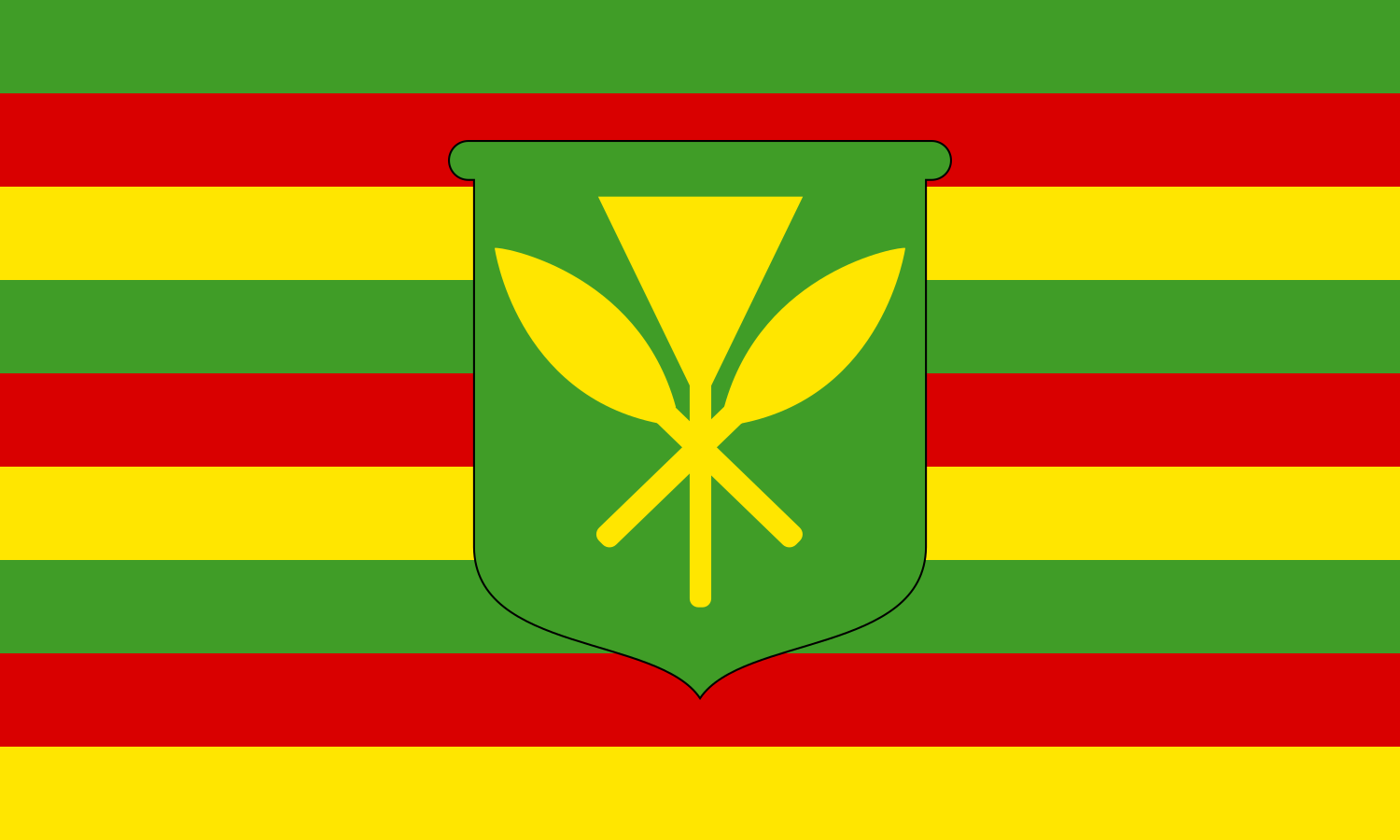 What It Means to Be a Kānaka Maoli in Modern-Day Kauai
Explore the cultural identity, heritage, and challenges of K?naka Maoli in modern-day Kauai.