
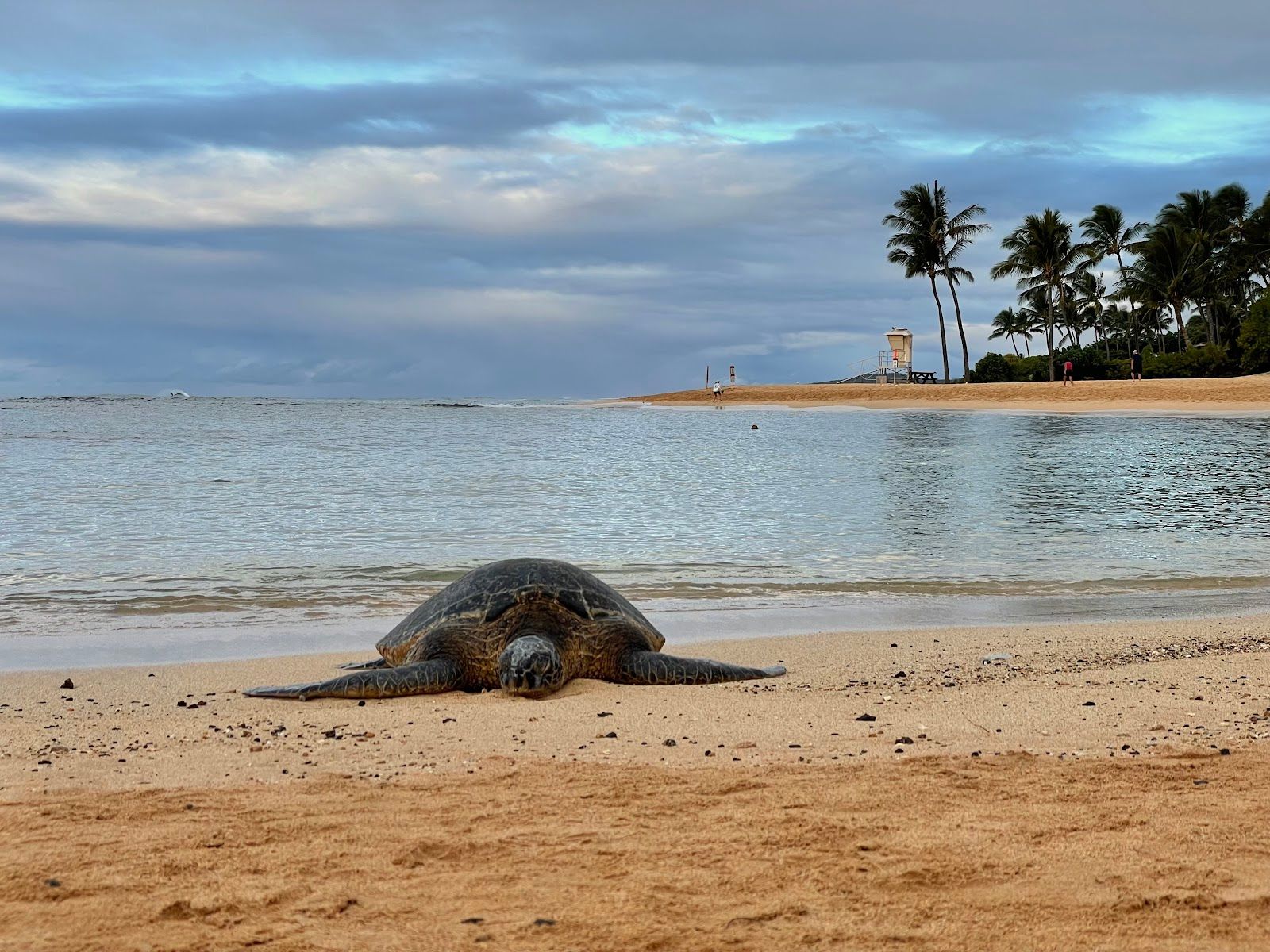
Beaches for Wildlife on Kauai
Kauaʻi’s shoreline isn’t just scenery; it’s living habitat. The island’s mix of reef-sheltered lagoons, open-coast sand, and quieter stretches near dunes and ironwood groves creates dependable places for wildlife to rest, feed, and raise young. That variety is also why beachgoing here benefits from a little context: the same conditions that make a shoreline appealing to people—calm water, warm sand, easy access—can also make it important to monk seals, seabirds, and sea turtles. A good wildlife beach guide focuses on where sightings are most likely and how to be there without becoming part of the problem.
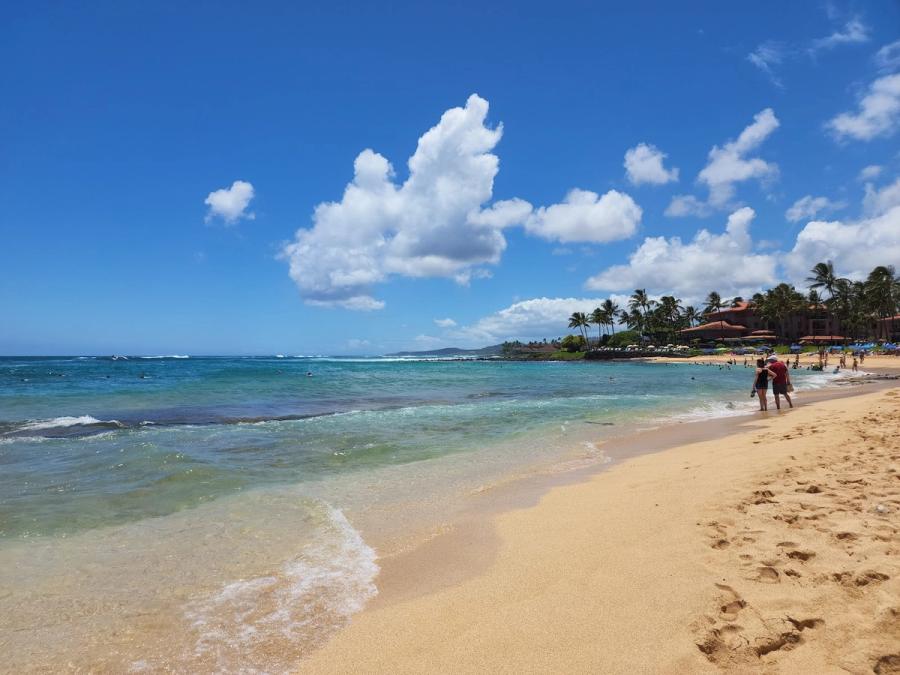
This category is special on Kauaʻi because encounters can happen in plain view, especially on beaches with consistent nearshore structure and a gentle slope from sand to reef. South-shore parks sometimes host resting seals on the sand between swims, while north-shore reefs support fish nurseries that attract turtles and seabirds hunting offshore. Places like Poipu Beach illustrate the balance well: it’s a popular, lifeguarded setting where wildlife still appears, and where posted guidance and community norms help keep space between people and animals. On the North Shore, reef-protected water at Anini Beach can concentrate marine life in the shallows during calmer conditions, rewarding observant visitors who keep their distance and avoid stepping on coral.
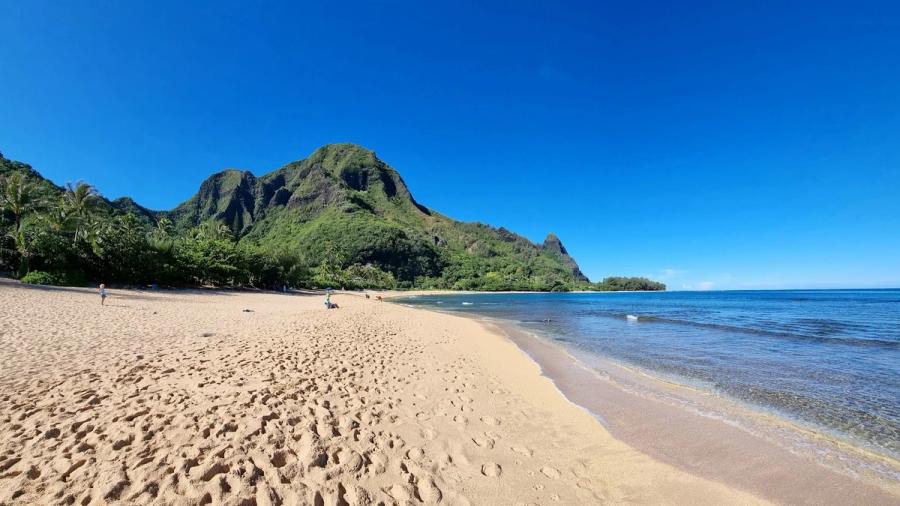
The beaches featured in this guide were selected for a mix of factors that matter on the ground: reliable habitat (reef, lagoon, or coastal vegetation), a track record of wildlife presence, and practical access that doesn’t require risky routes or trespassing. Seasonal patterns were considered, too—summer can bring calmer snorkeling conditions to areas such as Tunnels Beach (Makua), while winter surf and currents can change both safety and wildlife behavior across the island. Just as important, the list favors beaches where visitors can observe responsibly: clear sightlines, room to spread out, and a setting that supports calm, unhurried viewing rather than crowding.
A few expectations help make wildlife encounters safer and more ethical. Give animals generous space, stay low-key, and let the beach remain a resting place rather than an attraction. Keep food secured, never feed wildlife, and follow any temporary closures or ropes—those boundaries typically mark real needs, not suggestions. If conditions are rough or access points are narrow, choose a different beach; patience is part of good wildlife watching on an island shaped by tides and trade winds.
Below is a curated list of Kauaʻi beaches where the setting, conditions, and likelihood of sightings come together—along with notes to help plan the timing, approach, and etiquette for each.
Poipu Beach
Poʻipū
Reliable Hawaiian monk seal haul-outs make Poipu ideal for respectful wildlife viewing.
Po‘ipū Beach Park is a family-friendly, lifeguarded south-shore beach with a protected lagoon ideal for swimming, snorkeling, and picnicking. It offers frequent sightings of endangered monk seals and sea turtles, along with sunset views and convenient amenities.
Larsen’s Beach (Ka'aka'aniu)
Kīlauea
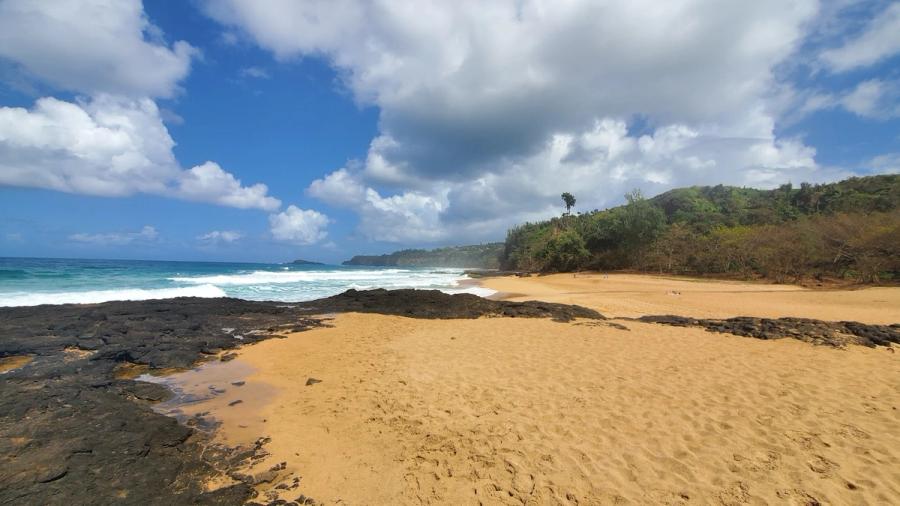
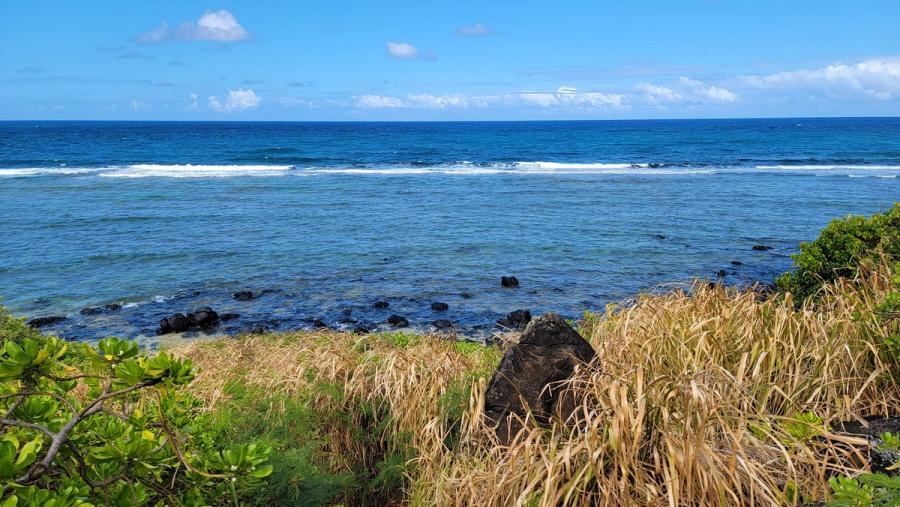
Remote Larsen’s rewards patient visitors with seabirds, turtles, and occasional monk seals.
Ka‘aka‘aniu (Larsen’s Beach) is a remote, undeveloped crescent of golden sand known for its solitude, wildlife sightings, and unofficial clothing-optional stretch. It offers a wild, off-the-grid experience with no facilities and challenging access.
Tunnels Beach (Makua)
Hāʻena
Tunnels’ coral reef habitat attracts colorful fish and sea turtles for snorkelers.
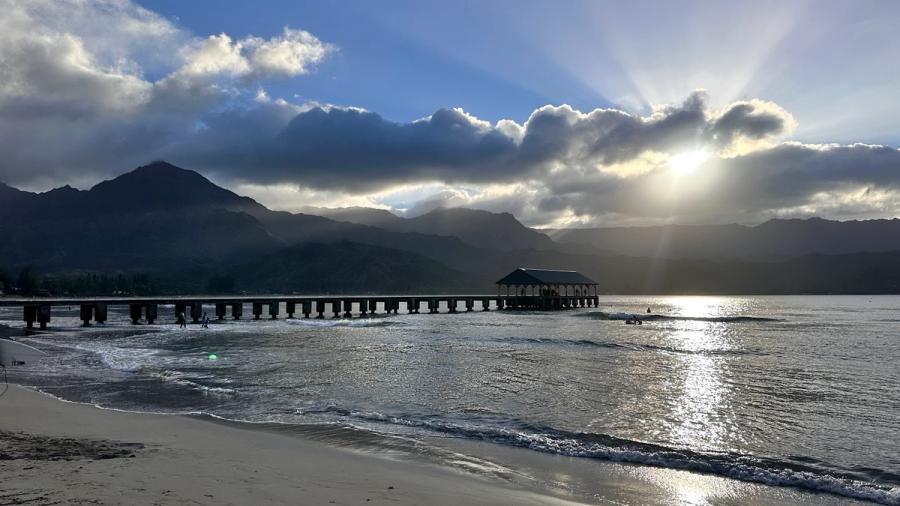
Tunnels Beach is a stunning north-shore beach known for world-class summer snorkeling, vibrant coral reefs, and dramatic mountain scenery. It offers a sheltered lagoon for beginners and photogenic golden sands framed by emerald cliffs.
Anini Beach
Princeville
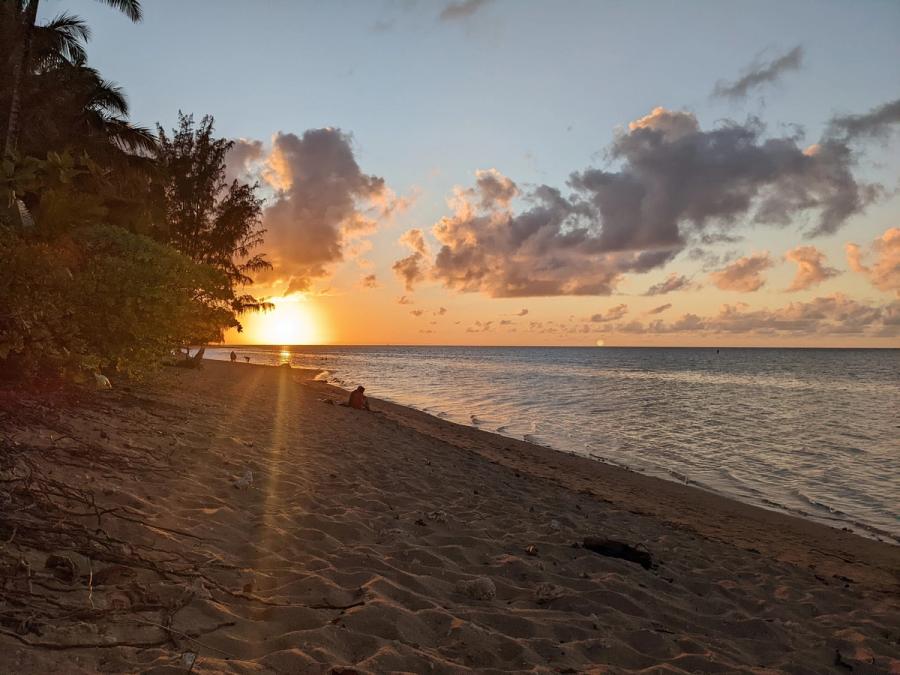
Anini’s calm, reef-sheltered shallows let you spot turtles and reef fish easily.
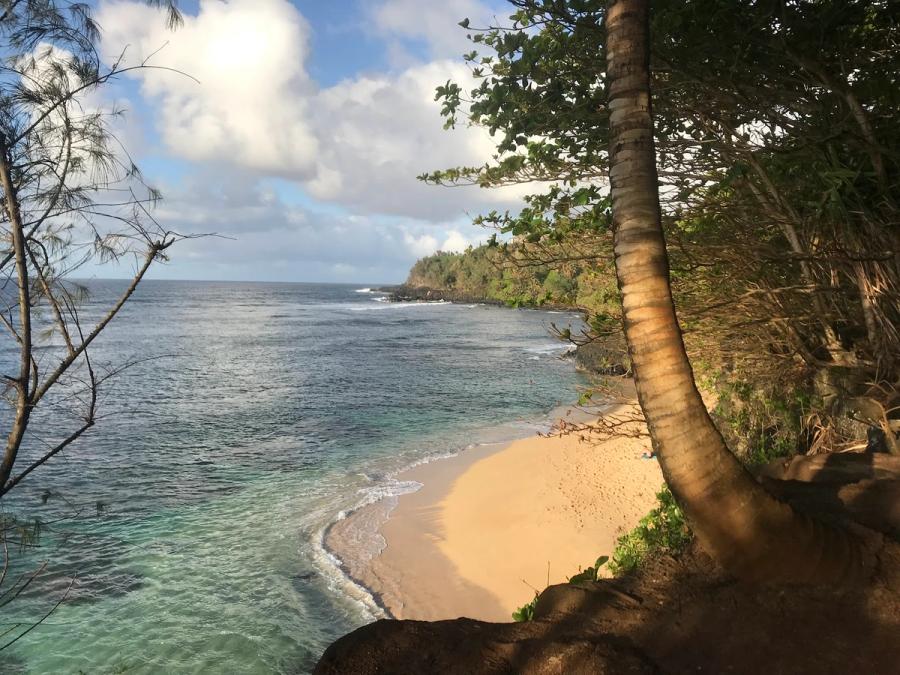
Anini Beach is a reef-protected north-shore beach featuring calm turquoise shallows ideal for beginner snorkelers and families. It offers shady picnic spots, easy water entry, and camping facilities in a low-key, natural setting.
Shipwreck Beach
Poʻipū
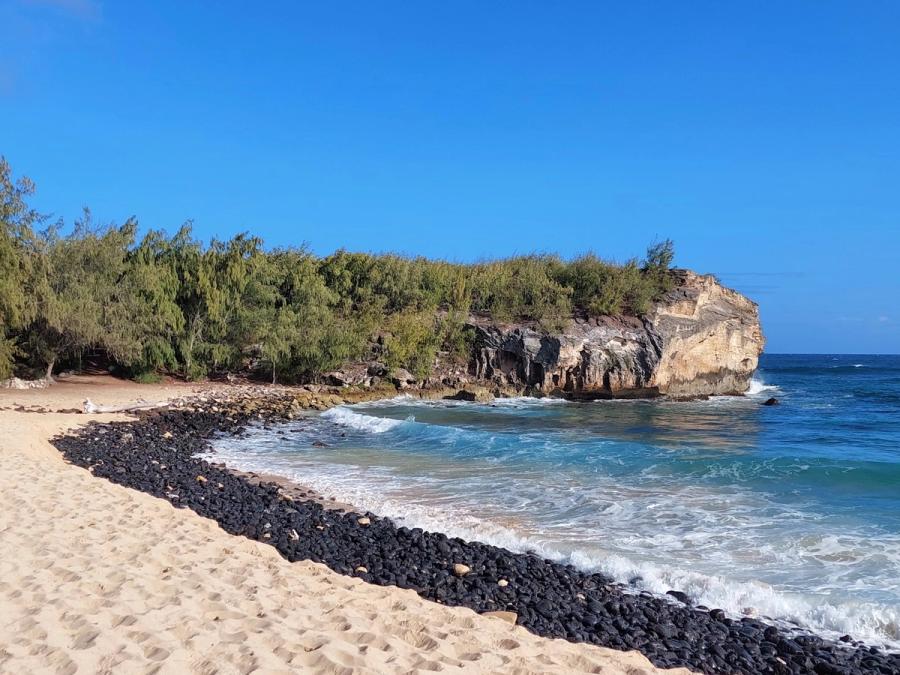
Shipwreck’s rugged shoreline often hosts resting monk seals and soaring seabirds nearby.
Shipwreck Beach (Keoneloa Bay) is a secluded golden-sand beach on Kauai’s south shore known for its rugged cliffs, powerful surf, and dramatic cliff jumping. It offers stunning sunrises, whale watching in winter, and access to the scenic Mahaʻulepu Heritage Trail.
Ke'e Beach
Hāʻena
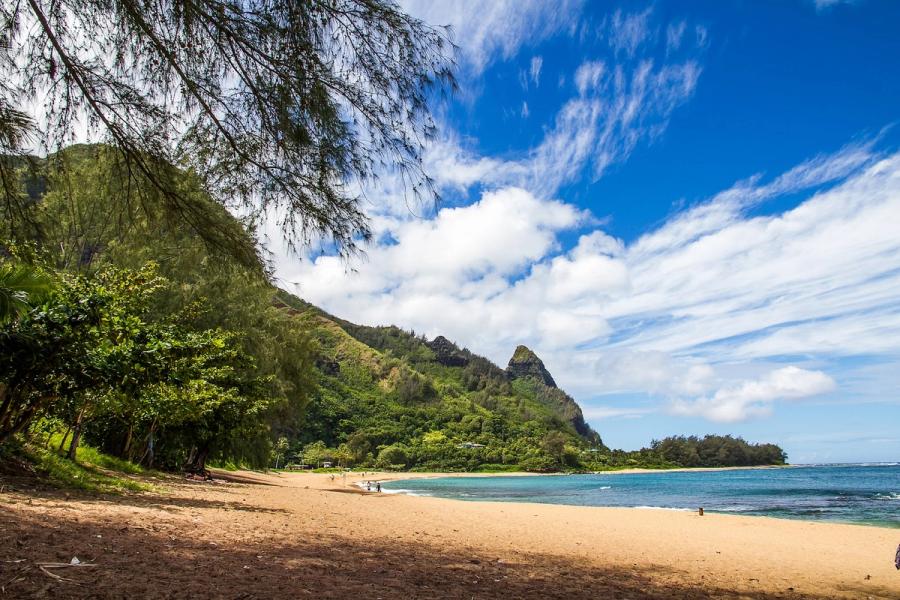
Ke‘e’s protected lagoon shelters reef life, offering frequent turtle and fish sightings.
Ke‘e Beach is a reef-protected North Shore beach inside Hāʻena State Park, known for its calm summer lagoon, snorkeling over living coral, and stunning Napali Coast sunsets. It offers a safe and scenic spot ideal for families, casual snorkelers, and photography lovers.
Nukoli'i Beach Park
Līhuʻe
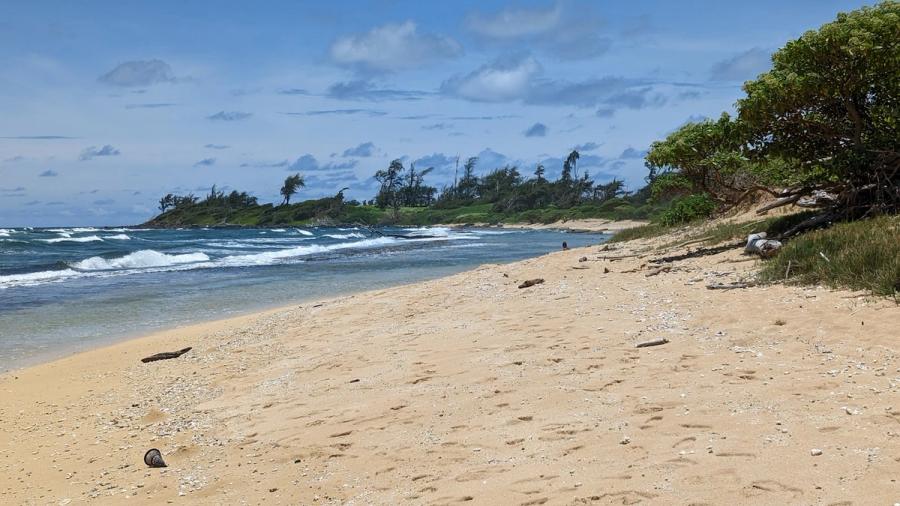
Nukoliʻi’s tide pools reveal crabs, small fish, and coastal birds during low tide.
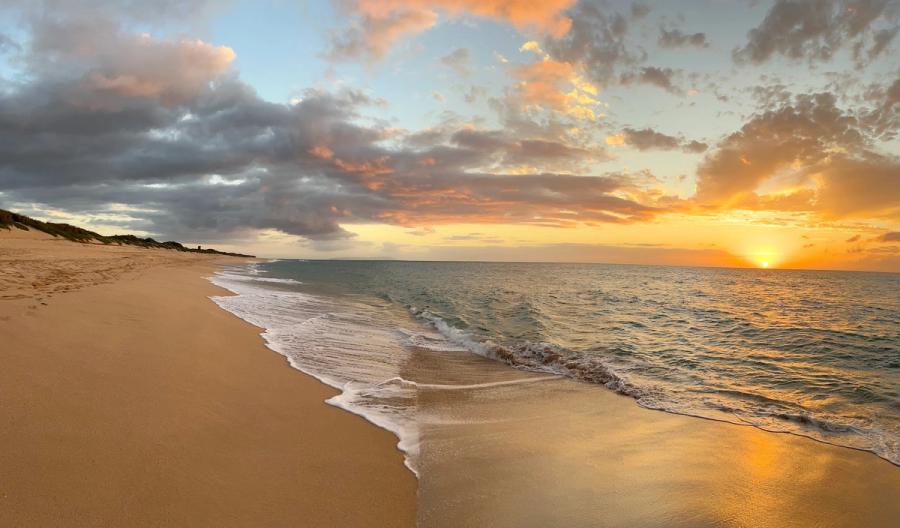
Nukoliʻi Beach Park is an uncrowded county beach with two miles of white sand, ideal for sunrise strolls, tide-pooling, and quiet picnics. It offers a peaceful atmosphere away from resort crowds, perfect for couples and photographers.