

Introduction
In the heart of the Hawaiian Islands, where the mountains meet the sea, the legacy of Prince Jonah Kūhiō Kalanianaʻole resonates deeply. Born into royalty in Kōloa, Kauaʻi, on March 26, 1871, Kūhiō’s life and work extend far beyond his princely title. He stands as a symbol of resilience and pride for the Hawaiian people, embodying a spirit of advocacy and commitment to his homeland that continues to inspire generations. This article explores why Prince Kūhiō matters, examining his contributions to the people of Kauaʻi and Hawaiʻi, and the enduring impact of his legacy.
Early Life and Education
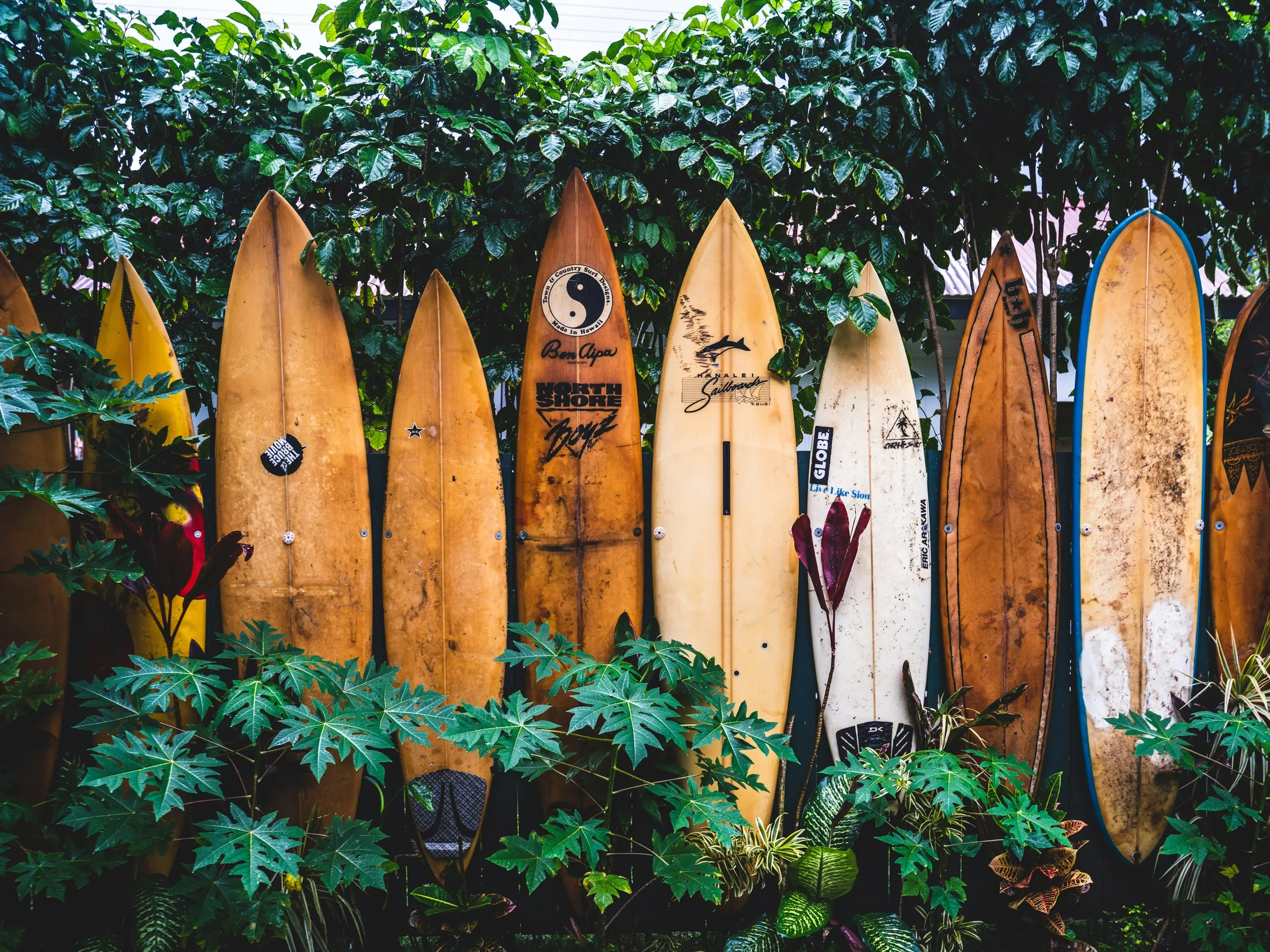
Kūhiō’s journey began in the lush landscapes of Kōloa, where he was raised among Hawaiian royalty. His mother, Princess Kinoiki Kekaulike, was the granddaughter of King Kaumualiʻi, the last independent ruler of Kauaʻi. Educated at the Royal School and Punahou in Honolulu, Kūhiō exhibited academic promise early on. His education continued abroad, where he spent four transformative years at St. Matthew’s College in California, famously introducing surfing to the mainland. This blend of royal upbringing and exposure to different cultures would shape his worldview and ignite his passion for his people.
Witnessing the Overthrow
The defining moment of Kūhiō’s early adult life came with the overthrow of the Hawaiian monarchy in 1893. A staunch supporter of Queen Liliʻuokalani, he took part in the royalist revolt of 1895, which aimed to restore her to the throne. The failure of the rebellion led to his arrest and imprisonment for a year, a significant period that fueled his determination to fight for Hawaiian sovereignty. After his release, he married Elizabeth Kahanu Kaʻauwai, and the couple traveled extensively in self-imposed exile, exploring Europe and even fighting in the Boer War. Yet, the call of home remained strong, and in 1901, Kūhiō returned to Hawaiʻi, ready to engage in territorial politics.
Political Career and Achievements
In 1902, Kūhiō entered politics as the Republican candidate for Hawaii’s non-voting Delegate to the U.S. Congress. His election marked the beginning of a remarkable tenure that would last until his death in 1922, during which he served ten consecutive terms. As a delegate, he became a powerful voice for the Hawaiian people, tirelessly advocating for their rights and interests. His efforts were not merely political; they were deeply personal, driven by a desire to see his people thrive.
One of his most significant achievements was the Hawaiian Homes Commission Act of 1921, which he championed in Congress. This landmark legislation set aside approximately 200,000 acres of land across the islands for native Hawaiian homesteads, providing a lifeline to families displaced by colonialism and economic change. Today, over 10,000 Hawaiian families live on these trust lands, a testament to Kūhiō’s vision of restoring Hawaiians "back upon the soil."
Advocacy for Native Hawaiians
Kūhiō’s commitment to his people extended beyond land rights. He understood that the well-being of Hawaiians encompassed not just access to land but also cultural preservation and community empowerment. Throughout his congressional career, he fought for policies that benefited Native Hawaiians, often using his own funds to bring mainland legislators to Hawaiʻi to educate them about the islands’ unique culture and values.
He introduced the first bill for Hawaiian statehood in 1919, laying the groundwork for future efforts toward full representation and self-governance. His advocacy for infrastructure projects, such as federal funding for Pearl Harbor, a lighthouse at Makapuʻu, and a hospital at Kalaupapa, also reflected his dedication to improving the quality of life for his constituents.
Local Governance and Cultural Revival
In addition to his legislative achievements, Kūhiō played a pivotal role in reshaping local governance in Hawaiʻi. He pushed for the establishment of a county government system, allowing each island to have its own local officials, a structure still in place today. This move empowered local communities and fostered a sense of autonomy that resonated with the values of Hawaiian culture.
Kūhiō also sought to revive Hawaiian institutions, re-establishing the Royal Order of Kamehameha I in 1903 and serving as a chief within the organization until his death. This revival not only honored the past but also instilled pride in the present, reminding Hawaiians of their rich heritage and the importance of cultural continuity.
Lasting Impact and Commemoration
Prince Kūhiō’s legacy is not confined to history books; it lives on in the hearts of the people of Kauaʻi and throughout Hawaiʻi. His death in office on January 7, 1922, marked the end of a remarkable life, but his contributions continue to shape the islands today. He was honored with a state funeral, underscoring the deep respect and admiration for his unwavering dedication to the Hawaiian people.
Kūhiō Day, celebrated annually on March 26, serves as a reminder of his impact and a celebration of Hawaiian culture. Events across the islands commemorate his life and work, reinforcing the values he championed: community, resilience, and the enduring spirit of the Hawaiian people.
Conclusion
Prince Jonah Kūhiō Kalanianaʻole is more than a historical figure; he is a local hero whose legacy continues to inspire and uplift the people of Kauaʻi and beyond. His commitment to advocating for Native Hawaiians, his efforts in shaping local governance, and his vision for a prosperous future resonate strongly in today’s society. As we reflect on his life and contributions, we are reminded of the importance of leadership that prioritizes the well-being of the community. Prince Kūhiō matters because he exemplifies the spirit of aloha, a love and respect for one another, and a steadfast commitment to the land and culture of Hawaiʻi. In honoring his legacy, we not only celebrate the past but also commit ourselves to a brighter future for all Hawaiians.
Further Reading
A few relevant next steps from Alakai Aloha.
 Hawaii-wide guideShaka (Hang Loose): Meaning, Origins, & Usage
The shaka is one of those small Hawaiʻi details visitors notice immediately: thumb and pinky out, three middle fingers curled, a quick lift of the hand. You’ll see it from a driver who let someone merge, from a...
Editor's pick GuideCultural Sites on Kauai
A guide to Kauai cultural sites.
Editor's pick Hawaii-wide guideWhat the Aloha Spirit Really Means
“Aloha” is one of the first Hawaiian words many travelers learn, and one of the easiest to flatten.
Editor's pick- Hawaii-wide guideShaka (Hang Loose): Meaning, Origins, & Usage
The shaka is one of those small Hawaiʻi details visitors notice immediately: thumb and pinky out, three middle fingers curled, a quick lift of the hand. You’ll see it from a driver who let someone merge, from a...
Editor's pick