

Good Fit For
- active travelers
- nature lovers
Trade-offs
- strict reservation system
- muddy trail conditions
Logistics & Getting Around
Reservations for Hāʻena State Park are required and can be made exactly 30 days in advance. Limited parking is available, so consider using the Kauaʻi North Shore Shuttle to avoid parking stress. Cell service is not available beyond the parking lot, so be prepared.
Nearby Areas in North Shore
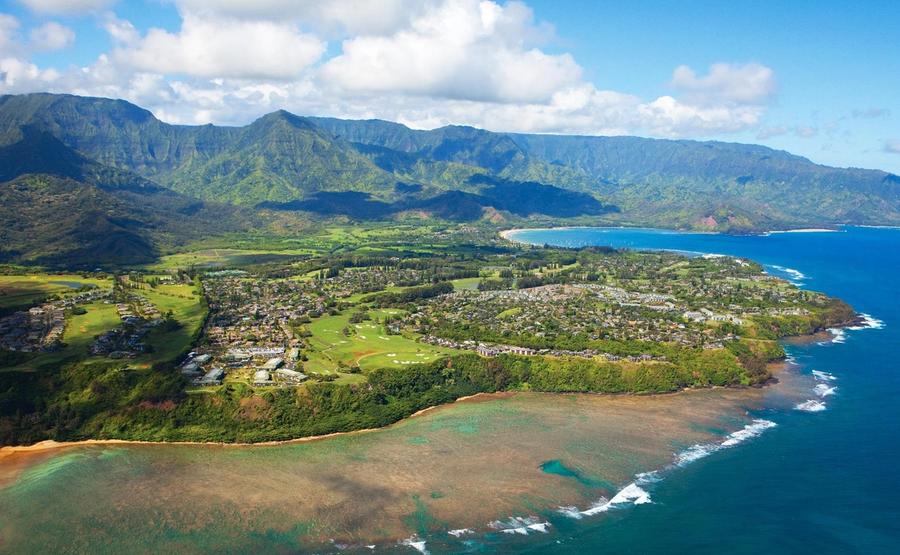
Signature Experiences in Hāʻena
Hāʻena: Where the Road Ends and the Cliffs Begin
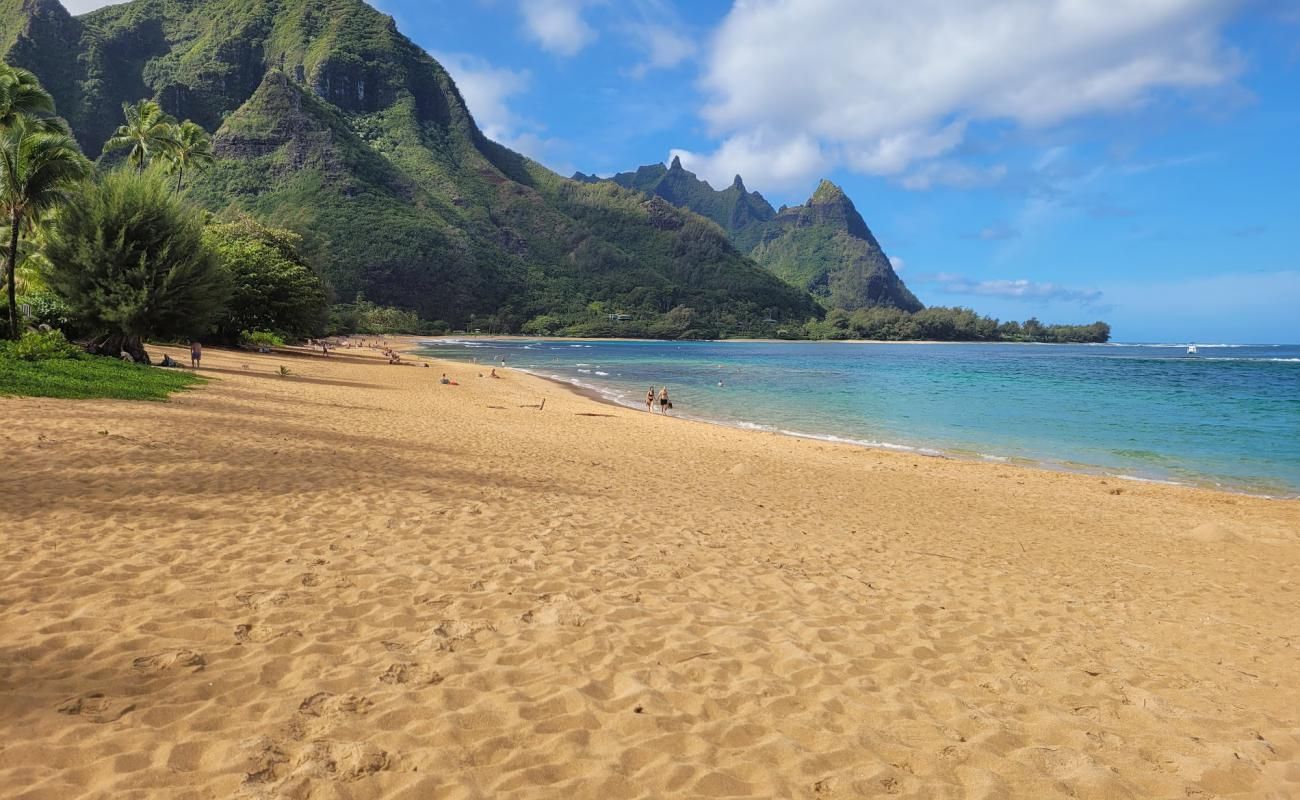
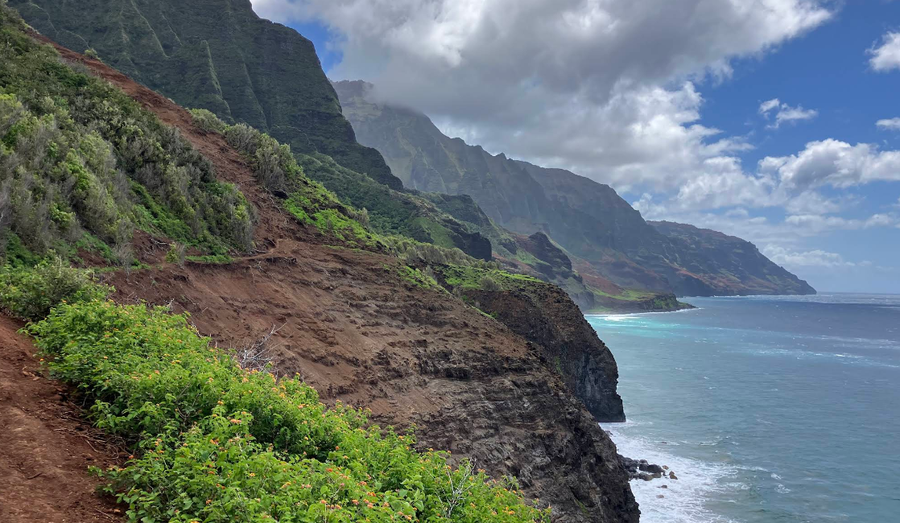
The last miles of Kūhiō Highway narrow to one-lane bridges and a tunnel of green, guiding you toward Hāʻena’s end-of-the-road calm. I arrived in a soft rain, the kind that floats more than falls, and the cliffs of Makana began to show their steep, ribbed faces as the clouds pulled back. Hāʻena is not a beach day you drop into on a whim. It asks you to plan, to go slowly, to notice. In return, it offers reef-sheltered water in summer, trailheads to the fabled Nā Pali, and a shoreline alive with story.
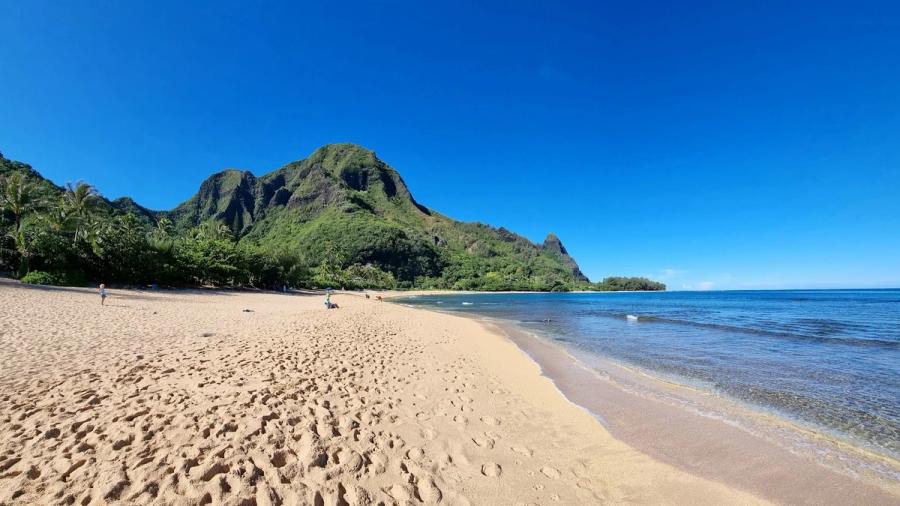
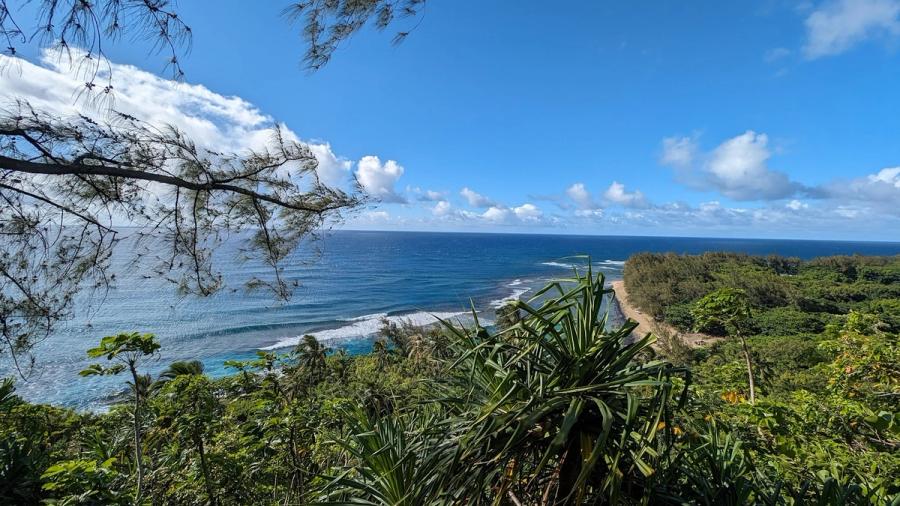
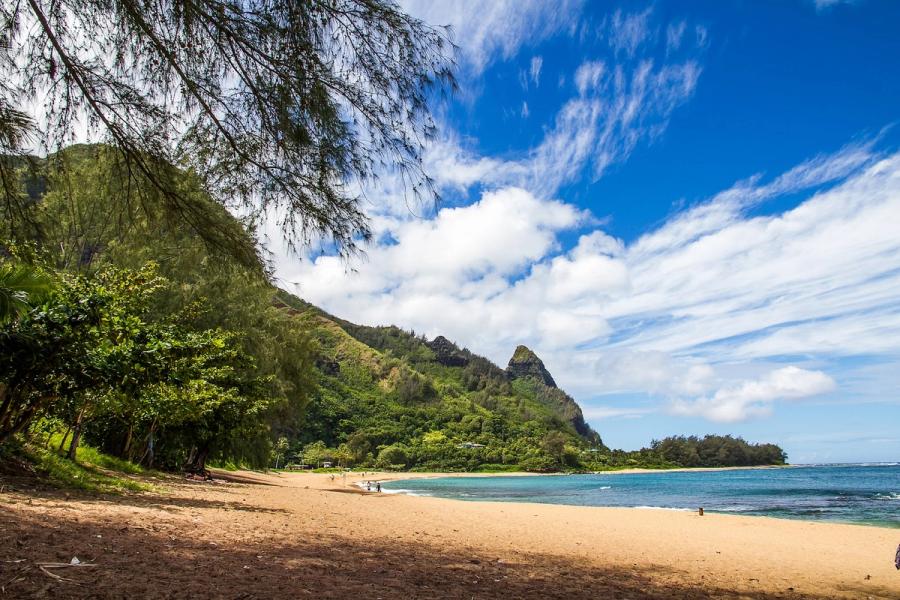
Hāʻena’s heart is the regulated entry of Ha'ena State Park, a model of stewardship after devastating 2018 floods. Inside, the lagoon at Ke'e Beach sits bright and glassy on calmer summer mornings, and the first steps of the Kalalau Trail pull you onto cliffs where sea and jungle trade breath. To the east, the broad reef of Tunnels Beach (Makua) supports a thriving coral community—a reminder that good snorkeling depends on patience, gentle fins, and the right season.
Getting in: Reservations, Timing, and the Road North
Hāʻena rewards early birds and organized travelers. The reservation system is strict—and effective.
- Reservations: Non-resident reservations open exactly 30 days in advance at midnight (HST) via GoHaena.com. They sell out quickly, especially early and late-day slots.
- Entry and parking: Expect a per-person entry fee and timed parking windows; recent figures included $5 entry and $10 per 6-hour parking slot. Screenshots of your QR code are essential—cell service drops after the parking lot.
- Shuttle: A paid shuttle from Princeville/Hanalei removes parking stress; book it when you secure entry.
The drive itself is part of the pleasure: taro fields unfurl beneath toothy ridges, and those one-lane bridges ask for patience and aloha. For an overview of the route—and why to leave extra time—see 5 Incredible Scenic Drives on Kauai.
What to Do: Lagoon, Reef, and Trail
- Keʻe Beach: In summer, Keʻe’s reef creates a tranquil lagoon where casual snorkelers can float over living coral and reef fish; lifeguards are a comfort here. In winter (roughly November–March), high surf and currents often close the lagoon—heed posted flags and lifeguard advice. The paved path from parking makes access straightforward. Respect cultural sites near the beach; don’t climb heiau walls or disturb offerings. More details: Ke'e Beach.
- Tunnels (Makua): When seas settle in summer, Tunnels’ outer reef and cathedral-like lava tubes make for memorable snorkeling and underwater photography. There are no restrooms or lifeguards at Tunnels; full amenities lie a short drive away at Hā‘ena Beach Park. Parking is scarce and strictly enforced; early arrival or the shuttle is wise. Read the cautions: Tunnels Beach (Makua).
- Kalalau Trail to Hanakāpīʻai: Even the first two miles of the Kalalau Trail deliver the Nā Pali’s drama. Fit hikers can continue inland to Hanakāpīʻai Falls (8 miles round-trip total from trailhead), but expect multiple stream crossings, slippery clay, and a full-day effort. Treat all stream water—leptospirosis is present. Flash floods can occur after rain; turning back is sometimes the right call. Day-hiking to the falls does not require a camping permit, but park reservations still apply.
- Overnight to Kalalau: Backpacking beyond Hanakāpīʻai requires a separate state camping permit booked up to 90 days ahead. It’s a serious undertaking with exposure, rockfall zones, and no services. Get the full reality check in Don’t Just Visit the Na Pali Coast—Understand It.
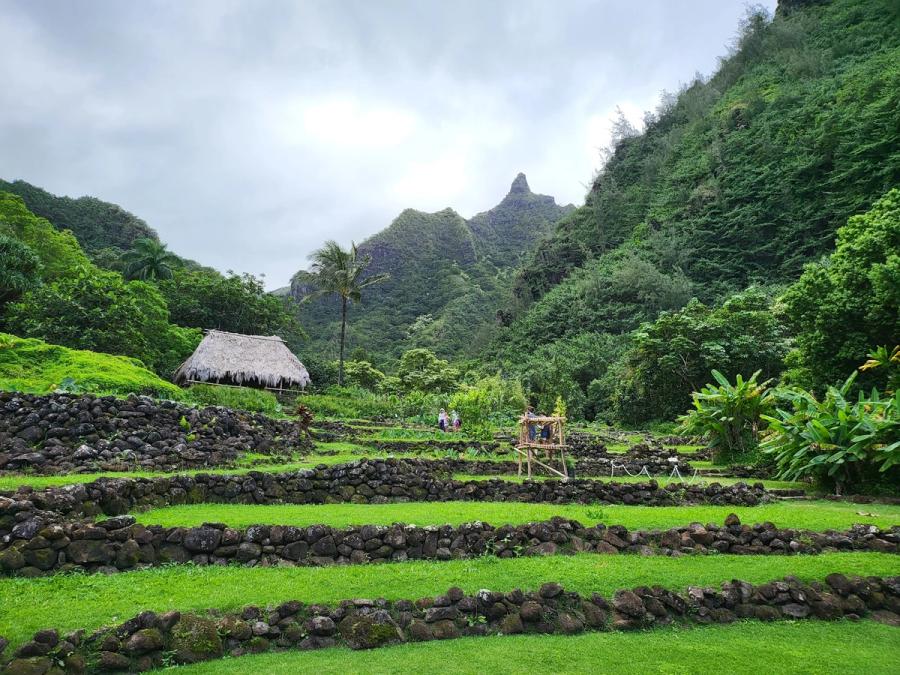
Limahuli Garden & Preserve sits just before the park and pairs well with a shorter beach or hike day. Separate reservations and fees apply; it’s a graceful window into native plants and cultural landscape.
Seasonality and Surf
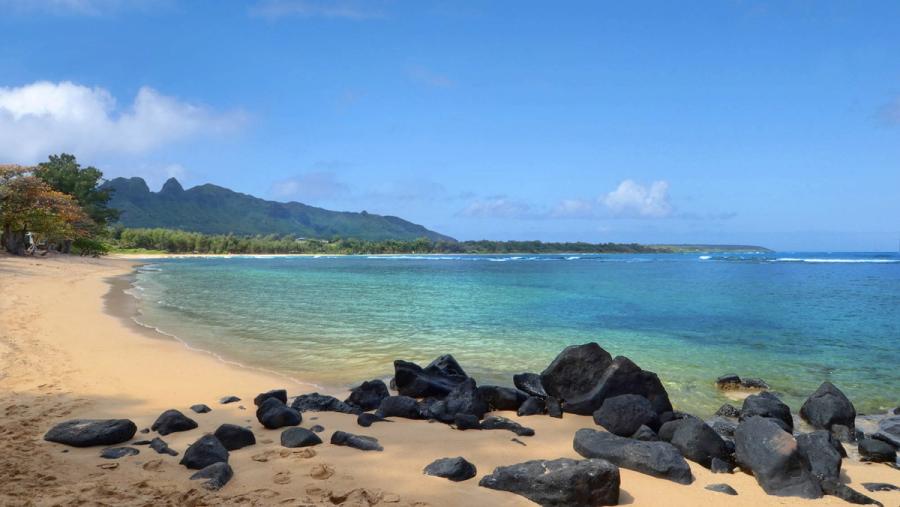
North Shore waters change character with the seasons. Summer (May–September) brings calmer seas and the best odds for snorkeling. Winter swells energize the coastline, shifting the focus to scenery, walking, and whale-watching from shore. Conditions vary daily—never assume yesterday’s calm equals today’s safety.
Who It Suits
- Great for: Planners who appreciate stewardship; families seeking a lifeguarded summer lagoon; photographers; fit hikers eager for a challenging day to Hanakāpīʻai; snorkelers in summer.
- Think twice if: You prefer spontaneous beach-hopping, dislike early mornings, or plan to visit in peak winter surf hoping to snorkel. The reservation system and weather might not align with last-minute plans.
Eat, Pack, Stay
There’s no food inside the park. Pack a picnic, plenty of water, and reef-safe sunscreen. Trailhead basics include composting toilets, foot showers, and potable water; still, carry 2–3 liters if you’re hiking.
For meals before or after, Hanalei Town is your hub. Reservations help at popular spots—Bar Acuda in particular books up (see tips in What First-Timers Always Get Wrong About Kauai (And How to Do It Right)). Coffee, breakfast, and poke options abound in town; just don’t plan on grabbing anything last-minute at the park gate.
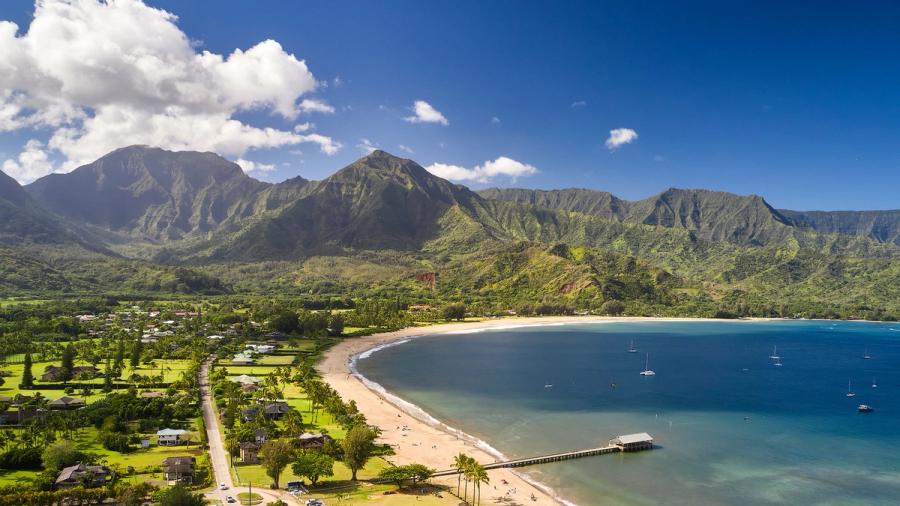
Where to stay? Lodging in Hāʻena is limited and tightly regulated. Most visitors base in Hanalei or Princeville for easy access, or split the trip between North and South shores to hedge weather and driving time. For planning frameworks, see How Many Days on Kauai? Itineraries for 3, 5, and 7-Day Trips.
Practical Tips
- Start early: Dawn slots mean quieter beaches, cooler hikes, and open parking.
- Gear: Trekking poles for muddy grades; light rash guard; dry bag for stream crossings; headlamp if you’re tempted by late light—though aim to finish hikes well before dusk.
- Respect: This coastline is both playground and piko—pack out trash, skip the drones, and give monk seals and honu wide berth.
- Backup plans: Heavy rain can close the trail or the highway. Keep a Plan B handy with What to Do When the Trail Is Closed: Alternate Plans That Still Feel Epic.
Hāʻena commands a slower rhythm. Stand on Keʻe at day’s end as Makana lifts into amber light, and you may feel why this road was always meant to end here. Not as a barrier, but as an invitation: to look longer, tread lighter, and let the cliffs have the last word.

Can't decide where to stay? Get personalized advice.
Custom recommendations built from the web's most comprehensive Kauai guide.