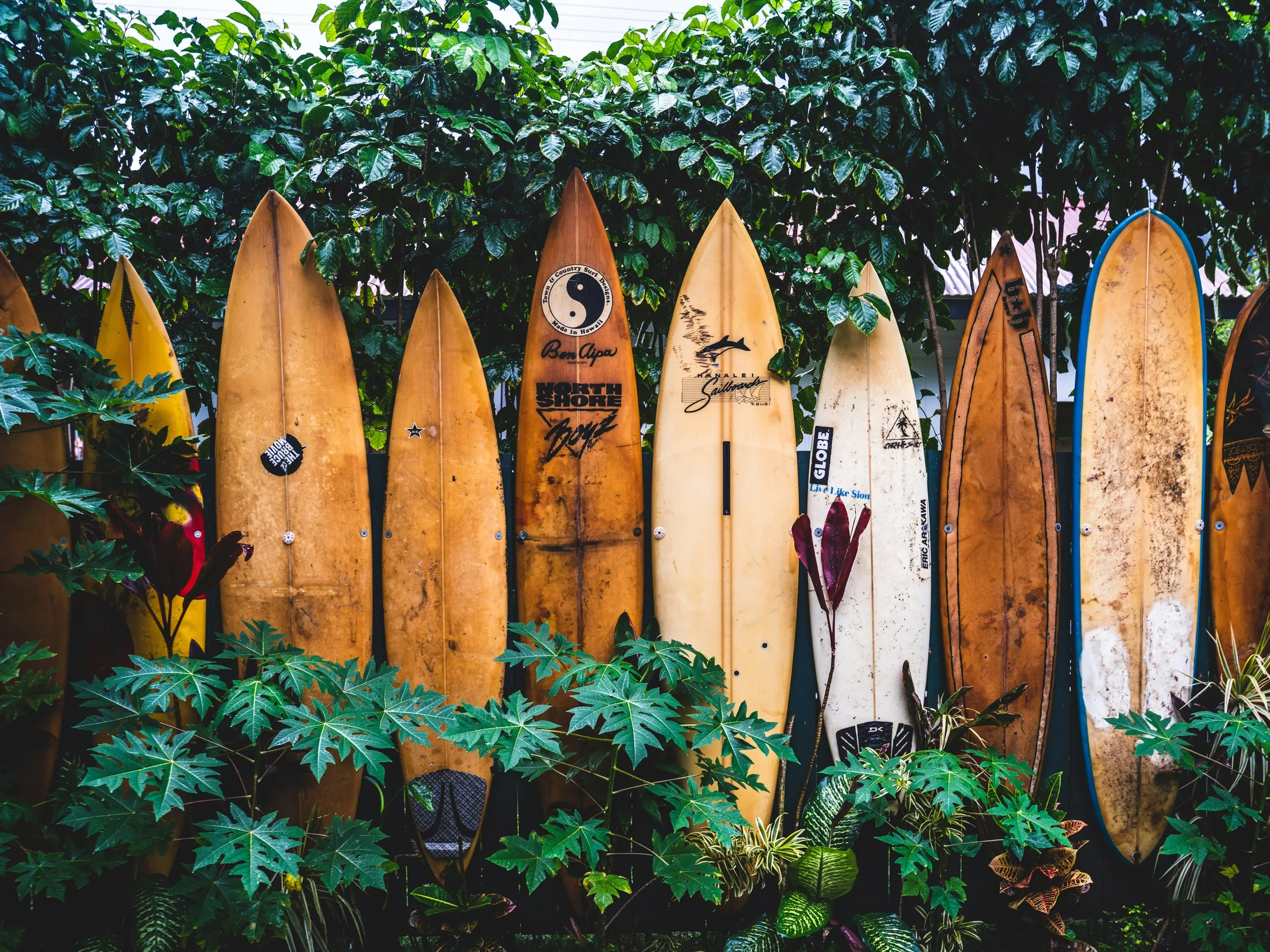


Hawaiʻi's enchanting "Garden Isle" truly captivates. Its beauty is legendary – think emerald valleys spilling into the sea, cascading waterfalls hidden in lush forests, golden beaches perfect for lazy afternoons, and the truly unforgettable, sheer cliffs of the Nā Pali Coast. It’s a place that stirs the soul.
But as you begin planning your dream trip, a fundamental question often arises: where should you stay? For many visitors, the choice narrows down to two main regions, each with its own distinct personality: the reliably sunny, amenity-rich South Shore, centered around Poʻipū, or the breathtakingly lush, dramatically scenic North Shore, home to Hanalei and Princeville.
This isn't just about picking a spot on the map. Your choice of home base significantly shapes the rhythm, the experiences, and even the practicalities of your Kauai adventure. Our goal here isn't to declare one shore "better," but to offer warm, practical insights – rooted in local knowledge and respect for the island – to help you make an informed decision that aligns perfectly with your travel style, budget, and the time of year you plan to visit. While day trips across the island are certainly possible, choosing the right base camp makes all the difference.
Kauai's Shores at a Glance: Setting the Scene
Before we dive deep, let's paint a quick picture comparing the two shores.
Vibe Comparison
- South Shore (Poʻipū/Kōloa): Generally sunnier and drier. Feels more developed, bustling, and active, with numerous resorts and condos. Popular with families and those seeking reliable sunshine and amenities. Can feel more crowded, though infrastructure might handle volume better in some ways.
- North Shore (Hanalei/Princeville): Defined by lush, dramatic landscapes. Feels quieter, more laid-back, often evoking an "Old Hawaiʻi" charm. Popular with couples, nature lovers, and those seeking tranquility. Can feel more remote and exclusive, particularly in Princeville.
Scenery Showdown
- South Shore: Known for its beautiful golden-sand beaches like Poʻipū Beach, often with calmer waters. The landscape is generally drier but offers easy access to the stunning Waimea Canyon ("Grand Canyon of the Pacific") and natural features like Spouting Horn blowhole.
- North Shore: Jaw-dropping is the keyword. Think sheer cliffs meeting turquoise waters, deep emerald valleys, abundant waterfalls, and the iconic Nāpali Coast. Beaches here, like Hanalei Bay or Tunnels (Makua), often have stunning mountain backdrops.
Weather Watch
- South Shore: Often called the "sunny side" for good reason. Receives significantly less rain (averaging around 35 inches annually). A great bet for reliable sunshine, especially during the winter months (roughly November through March/April) when the ocean is typically calmer. Can experience southern swells in the summer.
- North Shore: Receives much more rainfall (85+ inches annually), which fuels its incredible lushness. Weather can be more variable, particularly in winter, with more frequent showers. Winter also brings powerful ocean swells that dramatically impact water activities and beach access. Summer generally sees calmer ocean conditions.
Cost Considerations
- South Shore: Offers a wide spectrum, from luxury resorts to numerous condos and vacation rentals, catering to various price points. Overall costs might feel slightly higher due to popularity and reliable weather premium.
- North Shore: Features exclusive high-end resorts (especially in Princeville) alongside vacation rentals. Fewer mid-range or budget hotel options exist. Can be pricier overall due to desirability and sometimes limited inventory.
Lodging Landscape
- South Shore: Very diverse. You'll find large resorts (Grand Hyatt, Koa Kea), numerous condominium complexes (Kiahuna Plantation, Whalers Cove), hotels, and rentals, many right on or very near the beach.
- North Shore: Includes ultra-luxury options often perched on cliffs with stunning views but potentially requiring a walk or drive to the beach (1 Hotel Hanalei Bay), condo communities (in Princeville), vacation rentals (popular in Hanalei), and charming B&Bs. Fewer large chain hotels and fewer properties directly on a swimmable beach compared to the South.
Diving Deeper: The Sunny South Shore (Poʻipū & Kōloa)
Defining Features
The South Shore is synonymous with sunshine. Its reliably drier, warmer climate makes it a year-round draw, particularly appealing during the rainier winter months elsewhere. Its coastline boasts easily accessible, beautiful golden-sand beaches. Poʻipū Beach, frequently lauded as one of America's best, is known for its protected swimming areas (ideal for families), snorkeling spots, and frequent appearances by Hawaiian monk seals and sea turtles (honu) resting on the sand (remember to give them plenty of space!). Nearby Shipwreck Beach offers dramatic beauty and access to the scenic Maha'ulepu Heritage Trail, while Baby Beach provides a calm lagoon perfect for toddlers.
The vibe here is more developed and active. You'll find a concentration of resorts, condos, shops, and restaurants, especially around Poʻipū. While this means convenient access to amenities and a certain buzz, it can also feel more "touristy" or commercialized compared to the quieter North Shore. Historic Old Kōloa Town, just a short drive inland, adds charm with its preserved plantation-era buildings housing boutiques, galleries, and local eateries.
Why Choose the South Shore? (Pros)
- Weather Reliability: Your best bet for sunny days, especially crucial if traveling in winter.
- Beach Quality & Access: Excellent, accessible beaches with generally calmer waters (especially in winter) suitable for swimming, snorkeling (Poʻipū, Lāwaʻi Beach), and beginner surf lessons.
- Accommodation Variety: A broad range of lodging suits diverse budgets and preferences.
- Activity Hub: Plenty to do nearby – golf, tennis, shopping, diverse dining, ziplining, coastal hiking (Maha'ulepu Trail), National Tropical Botanical Gardens (Allerton & McBryde), and it's the nearer the primary departure point for Na Pali Coast boat tours originating from Port Allen.
- Logistical Convenience: Closer to the Līhuʻe Airport (LIH) and the gateway to exploring the magnificent Waimea Canyon and Kōkeʻe State Park on the West Side.
Potential Drawbacks (Cons)
- Crowds & Atmosphere: Can feel crowded, particularly during peak seasons. May lack the sense of seclusion or romantic quietude found up North.
- Scenery: While beautiful, the landscape isn't typically as dramatically lush or mountainous as the North Shore. Finding truly secluded beaches requires more effort.
- Distance to North Shore: It's a significant drive (1-1.5+ hours each way) to experience iconic North Shore sights.
- Cost: While varied, prime Poʻipū locations and luxury resorts command high prices. Budget options exist but might be further from the core resort area.
Who Loves the South Shore?
This area is often ideal for families (safe swimming, amenities), sun seekers and beach lovers, first-time visitors appreciating convenience, resort enthusiasts, and those traveling during the winter months seeking the highest probability of good weather.
Don't Miss Highlights (South)
Make time for Poʻipū Beach Park (look for seals and turtles!), the Spouting Horn blowhole, exploring Old Kōloa Town and its Heritage Trail, wandering the stunning National Tropical Botanical Gardens, hiking the Maha'ulepu Heritage Trail to Māhāʻulepū Beach and Makauwahi Cave Reserve (check access), enjoying the views from Shipwreck Beach, and dedicating a day to the awe-inspiring Waimea Canyon.
Diving Deeper: The Lush North Shore (Hanalei & Princeville)
Defining Features
The North Shore's defining feature is its stunning, dramatic scenery. This is the Kauai of postcards: verdant mountains plunging into turquoise waters, lush river valleys, countless waterfalls cascading down cliffs, and the majestic start of the Nāpali Coast. This incredible beauty is fueled by higher rainfall, especially during the winter months. Winter also brings powerful ocean swells, creating world-class surf but rendering many beaches unsafe for swimming or snorkeling from roughly October through April. Road access can also be occasionally impacted by heavy rains (e.g., the Hanalei Bridge).
The vibe is decidedly more laid-back, peaceful, and often feels more connected to nature and traditional island life. Hanalei town exudes charm with its unique shops, art galleries, eateries (including fantastic food trucks!), and crescent-shaped bay backdropped by mountains. Princeville, perched on the cliffs above, is a more planned, upscale resort community known for its golf courses and stunning ocean views, feeling more exclusive and manicured.
Why Choose the North Shore? (Pros)
- Spectacular Scenery: Unrivaled access to some of Hawaiʻi's most iconic and breathtaking landscapes.
- Atmosphere: Ideal for those seeking peace, quiet, romance, and a more authentic, less developed feel.
- Outdoor Activities: The gateway for legendary hikes like the Kalalau Trail, kayaking on rivers or the calm summer ocean, chasing waterfalls, and exploring incredibly scenic beaches.
- Iconic Beaches: Hanalei Bay is perfect for paddling or learning to surf in summer. Tunnels Beach (Makua) offers fantastic summer snorkeling. Keʻe Beach at the end of the road is stunning. Anini Beach offers calmer, reef-protected waters. Summer is the prime season for North Shore water activities.
- Luxury & Romance: Home to high-end resorts and private rentals in an incredibly romantic setting.
Potential Drawbacks (Cons)
- Weather Variability: Be prepared for more rain and clouds, especially in winter. Flexibility is key.
- Winter Ocean Conditions: Huge surf makes most beaches unsafe for swimming/snorkeling for much of the winter. Boat tours may be cancelled.
- Accessibility & Remoteness: Further from LIH airport (plan 1+ hour drive) and a very long drive to Waimea Canyon. Can feel isolated, and the single highway (Kūhiō Hwy/Hwy 560 past Princeville) is vulnerable to closures.
- Accommodation: Fewer direct beachfront properties compared to the South. Luxury options are very expensive, and overall inventory, especially budget-friendly choices, is more limited.
- Amenities: Fewer dining and shopping options compared to the South or East Side. Limited nightlife. Many businesses close early. Food trucks are a vital part of the dining scene.
Who Loves the North Shore?
The North Shore deeply resonates with nature lovers, adventurers, couples and honeymooners, photographers, return visitors seeking tranquility and authenticity, summer travelers wanting calm waters for activities, and those seeking high-end luxury escapes.
Don't Miss Highlights (North)
Spend time at Hanalei Bay, explore Hanalei town's shops and eateries, take a boat or helicopter tour of the Nāpali Coast, access the start of the Kalalau Trail, snorkel at Tunnels Beach in summer, visit Kīlauea Point National Wildlife Refuge and Lighthouse, wander Limahuli Garden & Preserve, cautiously explore Queen's Bath, and simply enjoy the scenic drives and lookouts along the highway.
Beyond Location: Essential Kauai Considerations
The Powerful Influence of Seasonality
- Winter (Nov-Apr): North Shore sees big surf (exciting for experts, dangerous for most), more rain, potential road issues, but also whale watching season. South Shore offers the best chance of sun and calm waters.
- Summer (May-Oct): North Shore ocean calms down, ideal for swimming, snorkeling, kayaking. South Shore remains sunny but can get southern swells; tends to be busier/pricier peak season. Shoulder seasons (spring/fall) can offer a good balance.
Getting Around Kauai: Need-to-Know Logistics
- Rent a Car: Yes, it's virtually essential. Book early.
- Drive Times Matter: Poʻipū (South) is closer to LIH airport (~30 min) and Waimea Canyon (~1 hr). Princeville/Hanalei (North) is further from LIH (~1+ hr) and Waimea Canyon (~2+ hrs).
- The Kapaʻa Crawl: Traffic through Kapaʻa town on the East Side (connecting North and South/West) can be very slow, especially during peak times. Factor this into your plans! There's essentially one main highway ringing much of the island.
So, South Shore or North Shore?
As you've seen, there’s no single "best" answer – only the best fit for you and your vision for your Kauai escape.
The core choice often boils down to this:
- Choose the South Shore if your priorities are reliable sunshine, easy access to swimmable beaches year-round, resort amenities, variety in dining/shopping, and convenient access to the West Side's wonders like Waimea Canyon.
- Choose the North Shore if you crave breathtaking natural beauty, a quieter atmosphere, access to iconic hikes and summer water activities, a more laid-back or romantic vibe, and you're prepared for potentially variable weather (especially in winter) and longer drives to other parts of the island.
For longer trips (think 8 days or more), consider a split stay – a few days on one shore, then move to the other. It minimizes backtracking and lets you fully immerse in the distinct magic of both regions.
Wherever you choose to lay your head, Kauai's incredible spirit and beauty are sure to leave a lasting impression. By choosing thoughtfully, you set the stage for a truly unforgettable journey on the Garden Isle.

Further Reading
A few relevant next steps from Alakai Aloha.
 BlogKauai by Region: How to Choose Where to Stay
Discover Kauai’s distinct regions—North Shore, East Side, South Shore, and West Side—and choose where to stay based on your travel style and priorities.
Editor's pick Stay1 Hotel Hanalei Bay
1 Hotel Hanalei Bay is a luxury resort in Princeville on Kauaʻi’s North Shore, with ocean- and mountain-view accommodations and a strong wellness focus. It is best suited to travelers looking for a scenic, full-service stay rather than a compact or budget property.
Editor's pick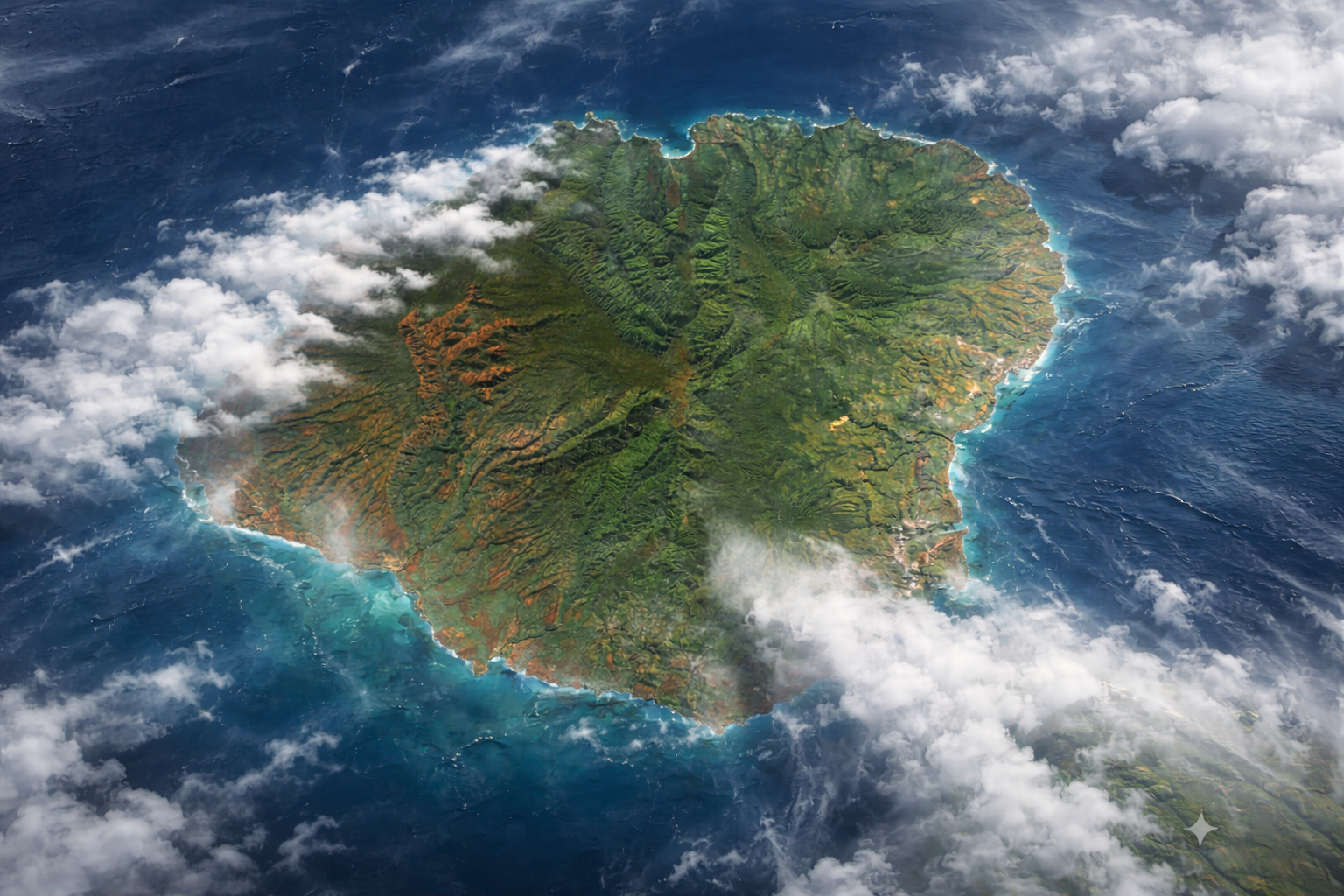 ToolCompare island weather by region
See how rain, wind, and conditions vary around the island before you choose your day plan.
Useful planning tool ActivityAnini Beach
Anini Beach is a reef-protected north-shore beach featuring calm turquoise shallows ideal for beginner snorkelers and families. It offers shady picnic spots, easy water entry, and camping facilities in a low-key, natural setting.
Editor's pick